Day 5: Karccham – Nako – Gue – Tabo
I woke up late today, having had a restless night. The morning was even colder than the previous day, making it tough to get ready. Little N woke up feeling ill and experienced a seizure for the first time, which was frightening. Fortunately, it lasted less than a minute. My friend helped by soaking his feet and hands in warm water, and after consulting his doctor via WhatsApp, we learned it was likely due to dehydration and the cold. By the time we set off for Nako, he seemed fine, which was a huge relief.

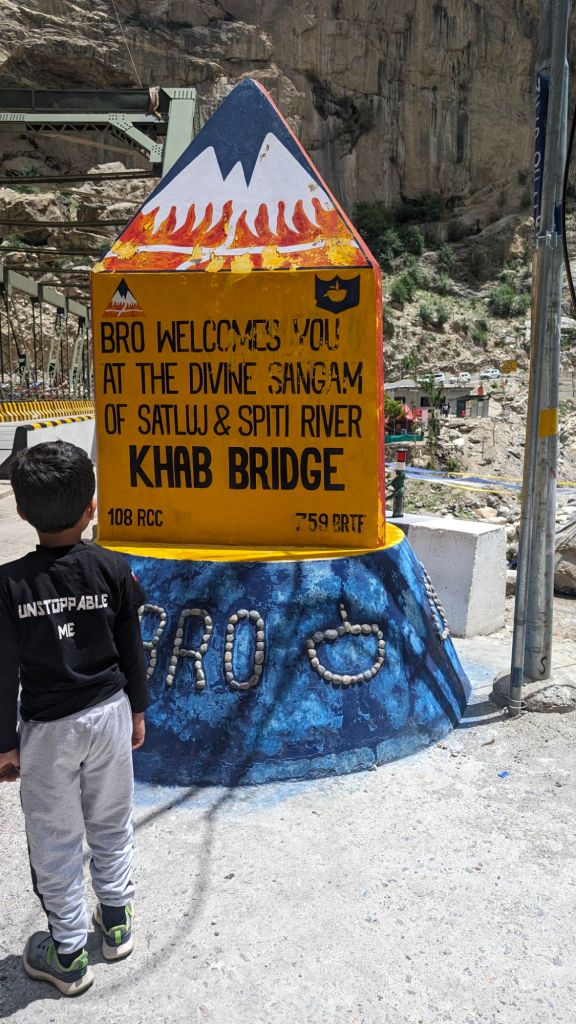


The journey to Nako was breathtaking, with varied terrains and mountain vistas. We followed the Sutlej River until we reached the confluence of the Spiti and Sutlej rivers. Spiti, originating from the Kunzum Range of the Himalayas, divides Lahaul and Spiti and is fed by many Himalayan streams, including the Pin River. The Sutlej River, the longest of the five rivers in Punjab, is also known as Satadru and is the easternmost tributary of the Indus River. From here, we followed the Spiti River.
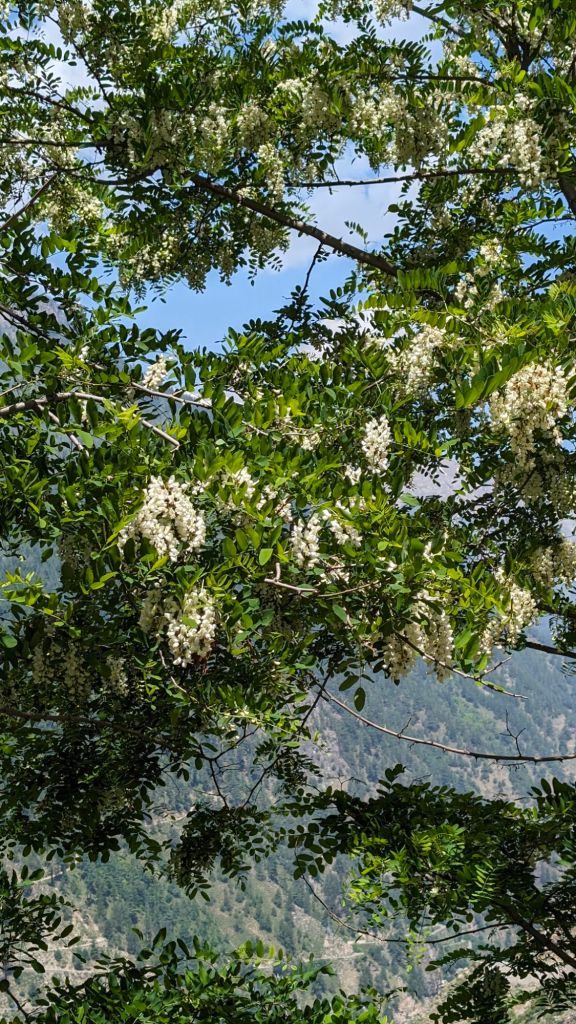


Since leaving Shimla, I had noticed a tree with white flowers but hadn’t had the chance to photograph it. Today, I finally identified it as the Black Locust tree. This tree is significant for nitrogen fixing and is a major honey plant, particularly in the eastern US. The honey from these trees is known as Acacia honey.
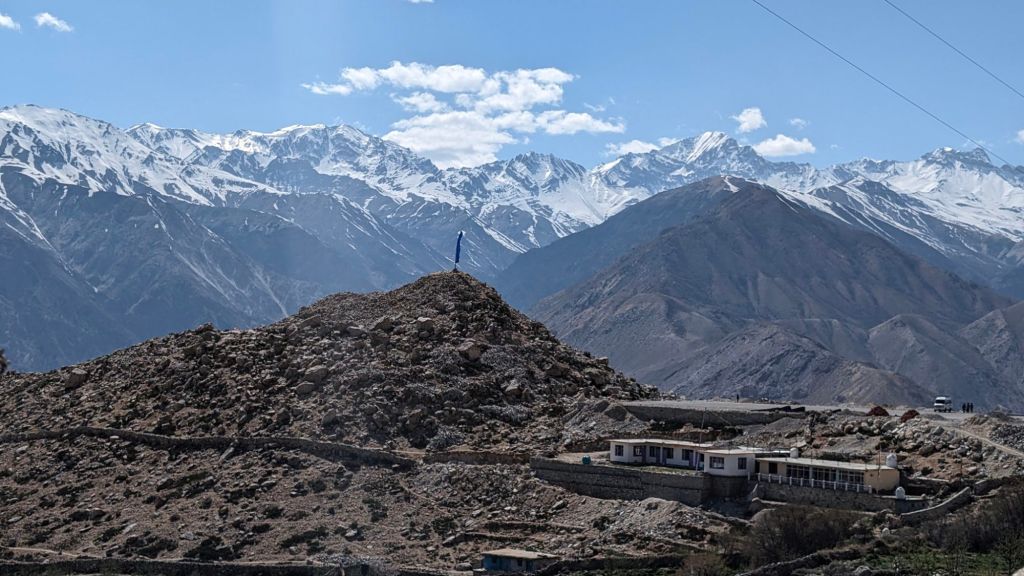
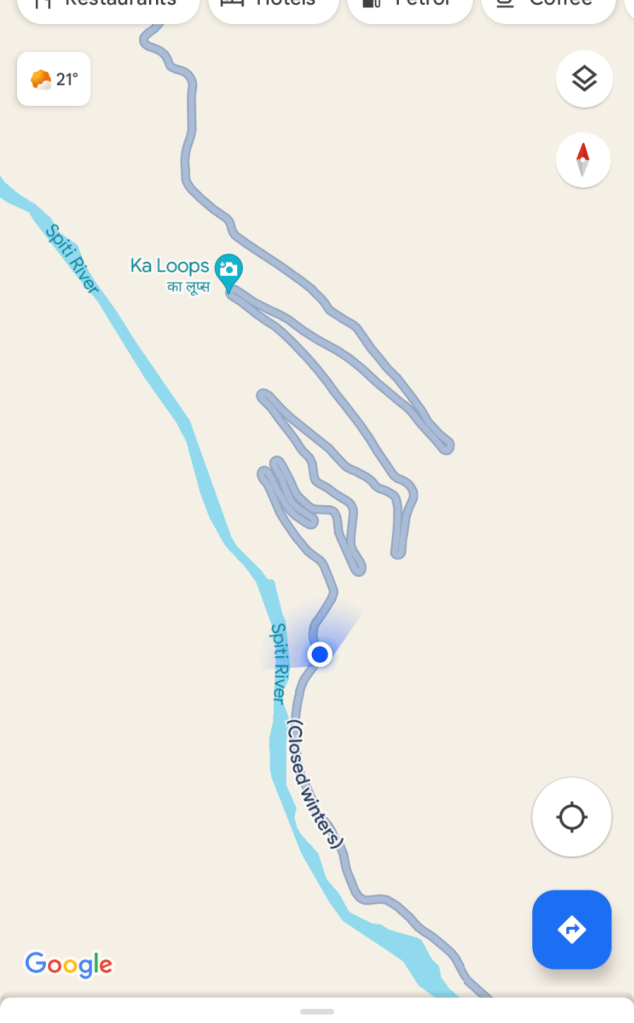

We stopped for lunch in Nako village, but unfortunately, both kids started throwing up due to the hairpin bends and altitude. They skipped lunch, and I gave them ORS to keep their energy up. Always hydrate the kids and yourself well when you are traveling to a higher altitude!

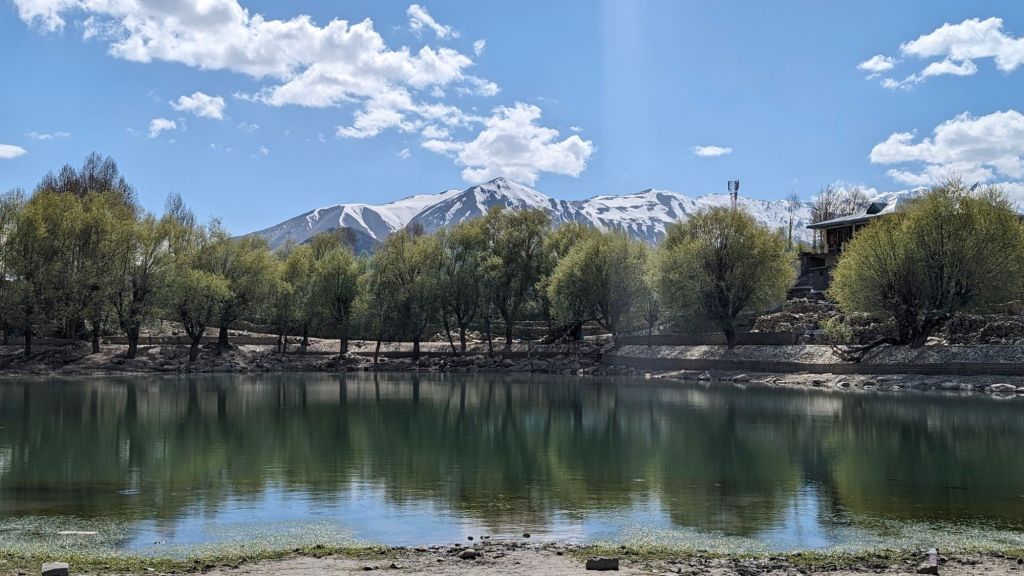


Next, we visited Nako Lake, a high-altitude lake in the Pooh sub-division of Kinnaur district. At about 3,662 meters (12,014 ft) above sea level, the lake is surrounded by willow and poplar trees. The climb down to the lake was easy, but climbing back up was challenging due to the altitude. The view was literally breathtaking.


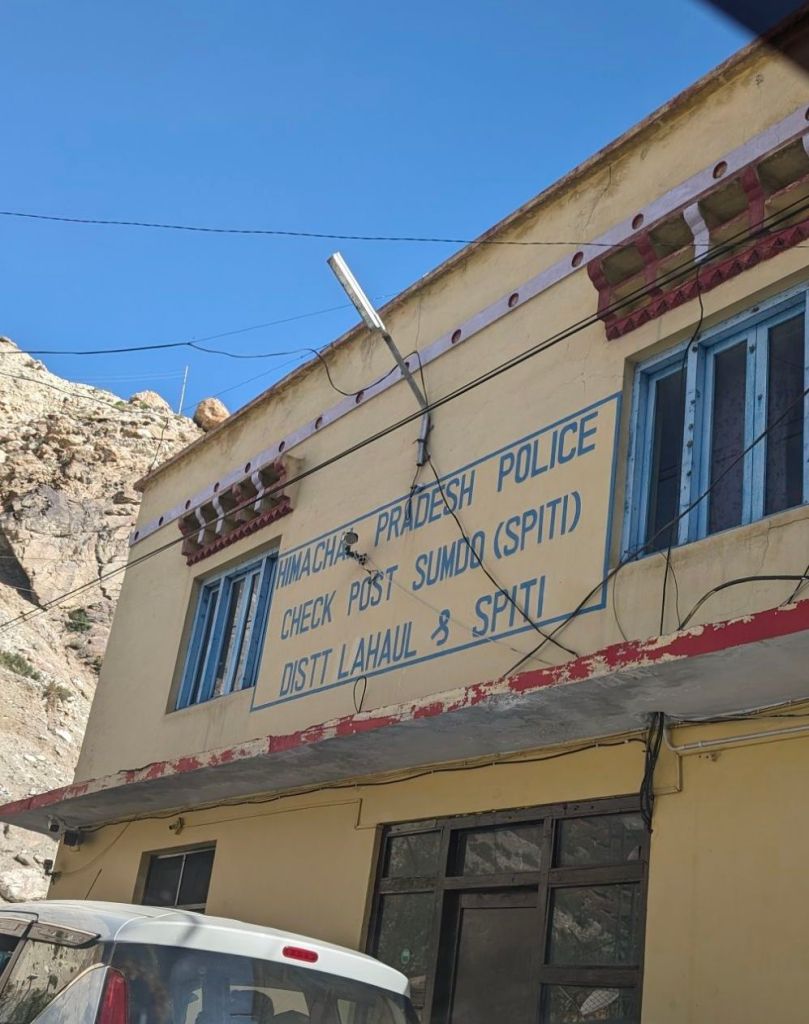

As we moved closer to the Indian border, the kids had fun with Google Maps, despite their earlier illness. We stopped at the Spiti Valley border to make the payment and register our vehicle and give the details of the travellers.

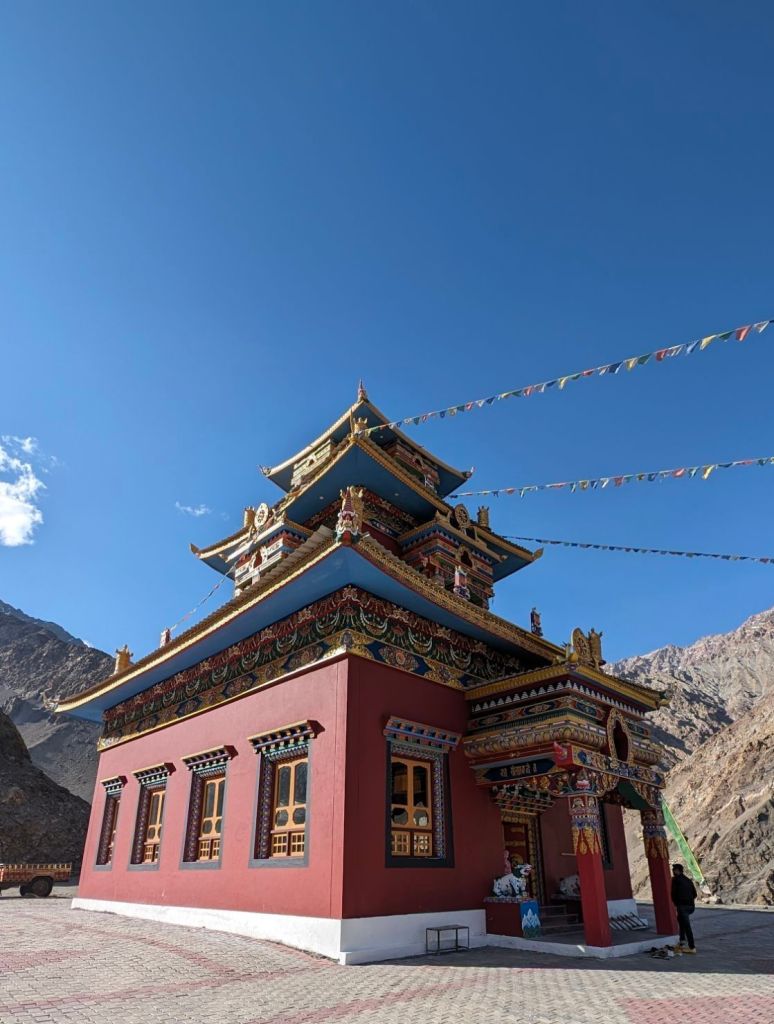


A 30-minute drive brought us to Gue (pronounced as “giyu”) Monastery, located at the top of Gue village. The bumpy ride was worth it to see the monastery, which is famous for a 550-year-old mummy found by the ITBP while digging for a border post. This mummy is the only one in India open for public visits. You can read more about the mummy and its history [here]




Our driver, Vikram, shared an interesting tidbit: iPhones show China time in this region due to our proximity to the Indo-Chinese border. He pointed out a snow-capped peak belonging to China and we also saw bunkers on top of another mountain, likely marking the Indian border.
After another 30-minute drive, we reached Tabo village, where our stay was arranged. Tabo, located on the banks of the Spiti River in the Lahaul and Spiti district, is known for its over-a-thousand-year-old Buddhist monastery. The Dalai Lama has expressed his desire to retire here, calling the Tabo Monastery one of the holiest.

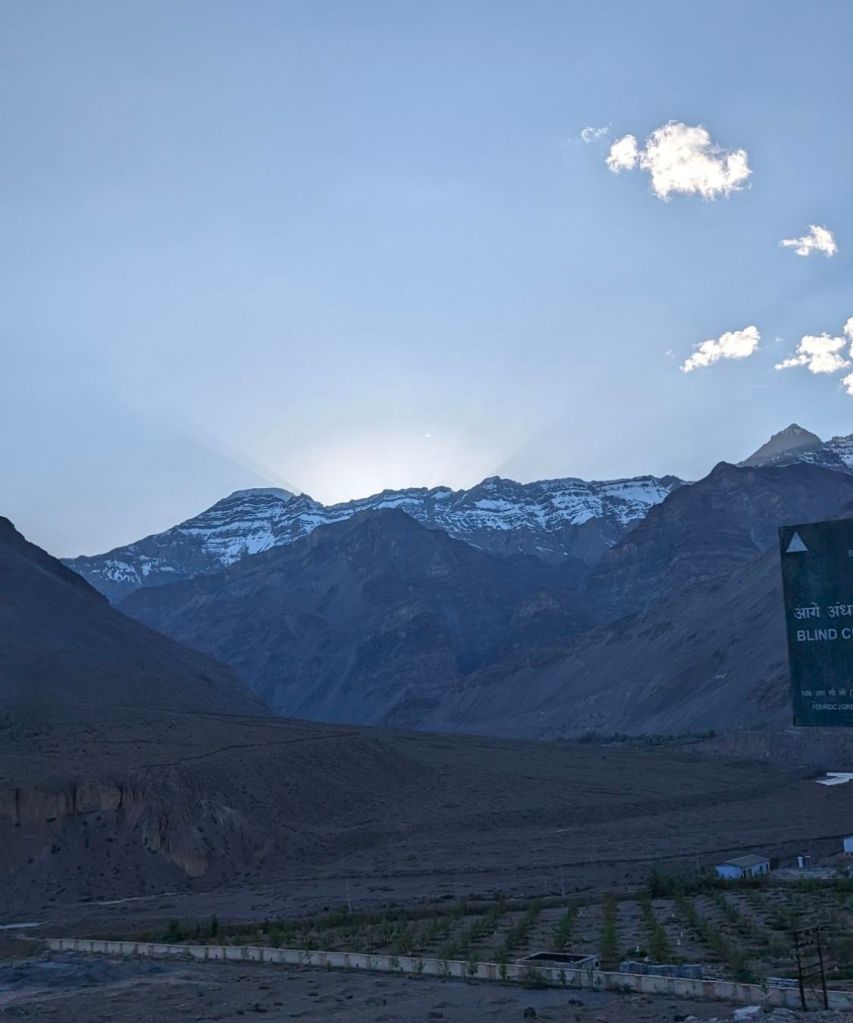
Tabo, at an altitude of 10,760 feet (3,280 meters), experiences drastic climate variations. Winter temperatures can range from −15 °C (5 °F) during the day to −45 °C (−49 °F) at night, while summer temperatures vary from −5 °C (23 °F) at night to 20 °C (68 °F) during the day. Fortunately, the weather was pleasant for us, unlike the cold in Karccham.
Tomorrow, we will explore the monastery and head to nearby villages. Keep reading!
— A.
 MY LITTLE THOUGHTS LANE