Discovering Authentic Spiti Cuisine: A Real Experience
During our 8-day Spiti Valley trip, we tried to explore traditional foods based on blogs and social media posts. However, many locals we met were unfamiliar with some of these foods. This made us wonder if these dishes were forgotten over time or if a new food culture introduced by tourists had taken over. Since we didn’t spend much time in the villages (except Lhalung), we might have missed some authentic traditional foods.
Nevertheless, here are the unique local foods we enjoyed during our journey:
- Butter Tea: Also known as “Po Cha” in Tibet, is a traditional Himalayan beverage commonly consumed in regions like Tibet, Bhutan, Nepal, and parts of northern India, including Spiti Valley. It’s for its unique taste and high energy content, making it an essential drink for those living in high-altitude, cold environments.
- Thukpa: A hearty noodle soup with vegetables and meat, commonly enjoyed in the colder regions.
- Thenthuk: Another version of Thukpa, but instead of noodles, flat noodles are added with lots of veggies and the soup would be thicker than the Thukpa.
- Momos: Steamed or fried dumplings filled with vegetables or meat, a popular snack.
- Barley Soup: A nutritious and warming soup made from barley, perfect for the chilly weather.
- Wholewheat Momos: A healthier variation of the traditional momos.
- Shunaali: A traditional Spiti sweet made with wholewheat flour, dried yak cheese (paneer), sugar, and yak ghee.
- Siddu: A local delicacy made with refined wholewheat aka maida. There is a sweet as well as salt version of it.
- Arak: A local alcoholic drink made from barley, enjoyed during our stay in Lhalung.
- Paranthe: Stuffed flatbreads, often filled with potatoes, paneer, or other vegetables.
- Popped Barley: A simple and nutritious snack similar to popcorn.
- Pink tea: Pink tea, also known as “Noon Chai” or “Gulabi Chai,” is a traditional beverage from the Kashmir region. It is distinguished by its pink color and unique preparation method, which involves brewing green tea leaves with baking soda, salt, and milk, often garnished with nuts and spices.
- Seabuckthorn tea: Seabuckthorn (Hippophae rhamnoides) is a hardy shrub found in cold, high-altitude regions like the Himalayas. It produces small, orange-yellow berries known for their impressive nutritional profile and numerous health benefits.
- Roti: Unlike our thin ones made at home, these are thick ones which are made using Wholewheat flour.
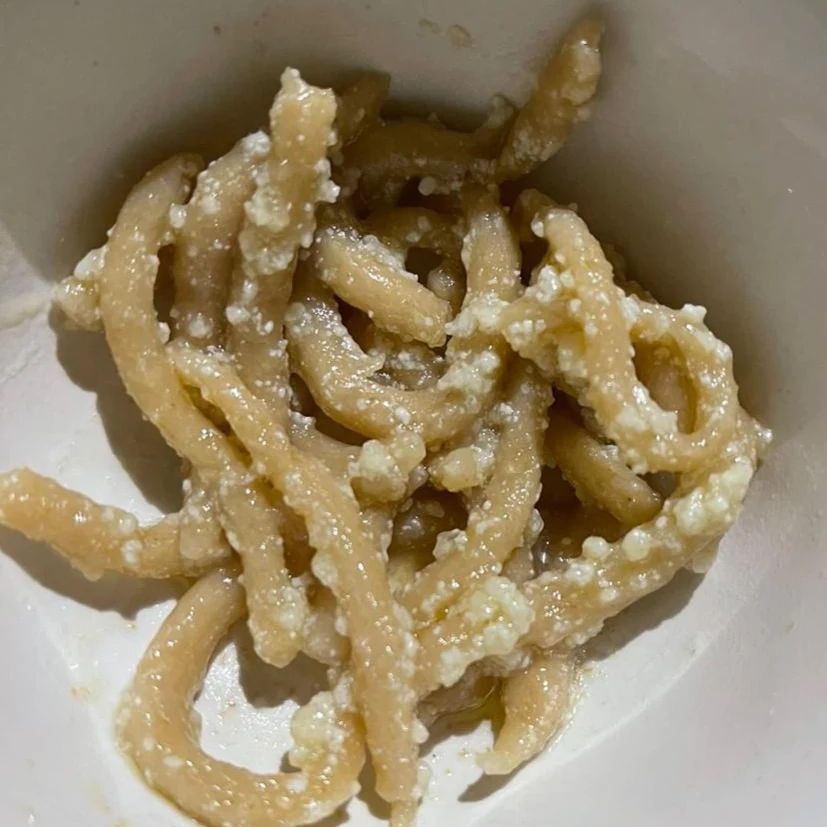


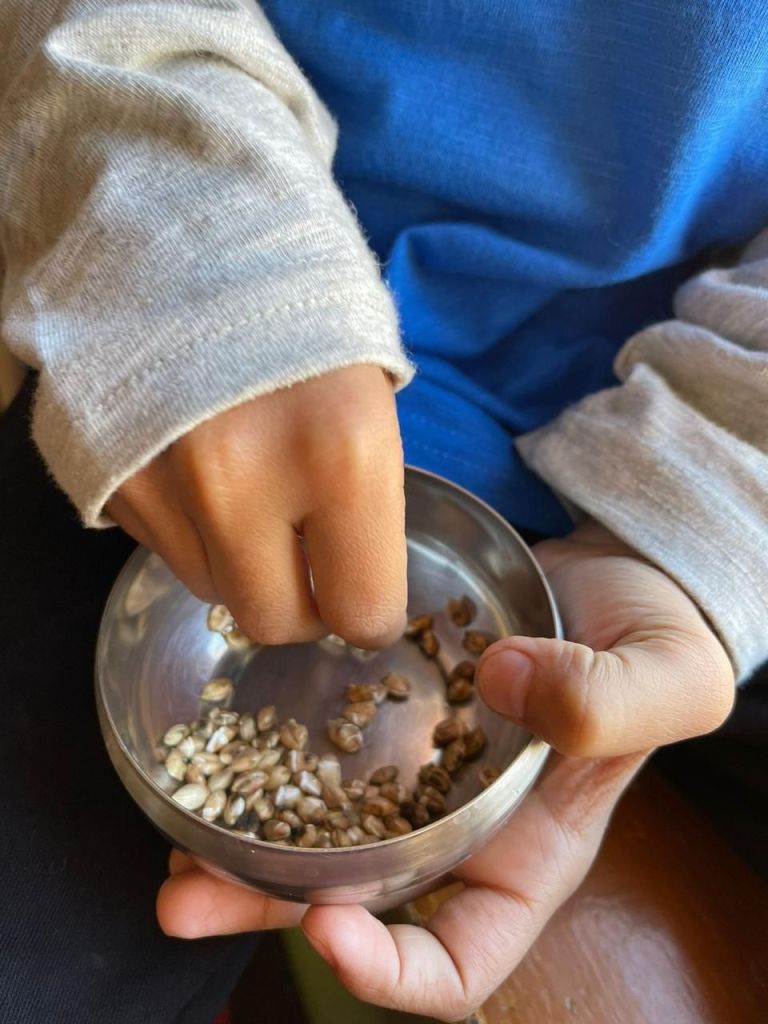


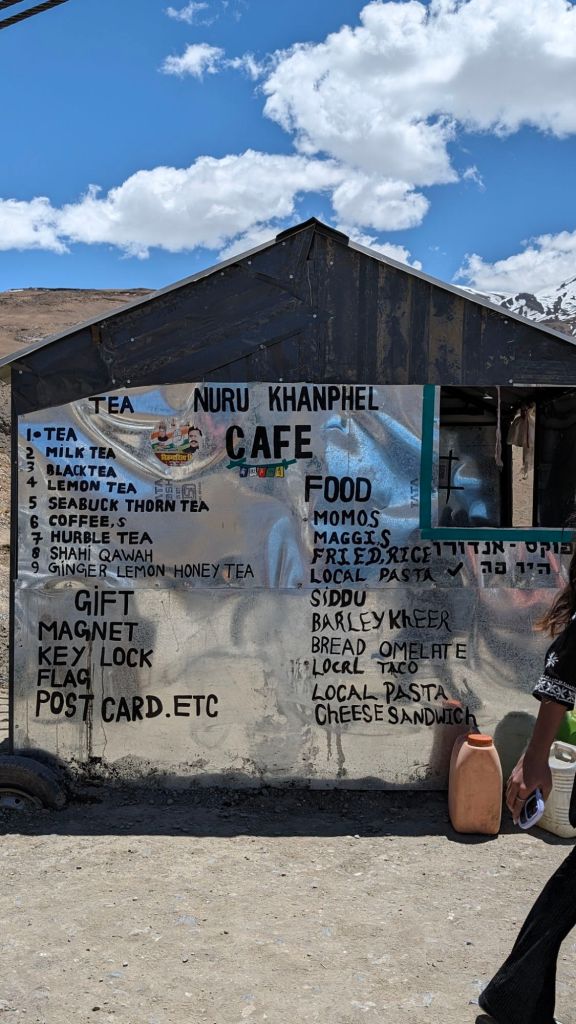
While we might have missed some traditional dishes, these experiences gave us a taste of Spiti’s unique culinary heritage. If you want to explore authentic local foods, consider spending more time in the remote villages and engaging with the locals.
A.
 MY LITTLE THOUGHTS LANE