Mid-July to mid-August is Karkkidakam, a month as per Malayalam calendar that is famed for its heavy rains, flooding, and seasonal ailments. Both nature and humanity slow down at this time. As per Ayurveda, body
become more weak(less immune) and causes vitiation of all three Prakriti (which is called as Vikriti, and refers to the “current state” or “state of imbalance” of the tri-doshas). This month is also renowned as ‘Karkadam durghadam” (month of poverty, diseases and inauspicious), “Kadavotty Karkidakam (month of poverty) and “panja masam” (month of poverty and diseases).
Important auspicious events such as naming ceremonies, housewarmings, and weddings are typically avoided. If you assume that Karkkidakam is a dull month, you are wrong; it is full of traditions, health rites, and traditional rituals that have been practiced for many centuries.
In order to get ready for the upcoming month, residences and the surrounding area are cleaned and decluttered before Karkkidakam starts. Families use 10 sacred herbs (Dashapushpam) to worship Sree Bhagavathy (Goddess Lakshmi), also known as Seepothi, on the first day of Karkkidakam. This custom ushers in a new era, guaranteeing wealth and safety during the trying month.
This is also the month when people seek spirituality more than the usual months. Many people read the Adhyathma Ramayanam to find wisdom and harmony in its verses. A notable pilgrimage known as Naalambala Darshanam is held, during which devotees visit four temples devoted to Lord Rama and his brothers, Bharata, Lakshmana, and Shatrughna. Another major ritual is Karkkidaka Vavu Bali, which is performed to thank ancestors and ask their blessings.
Karkkidakam focuses on health too. With infections and seasonal diseases on the rise, immunity development becomes a top focus. People make herbal dishes from locally accessible plants and eat Karkkidaka Kanji, a therapeutic rice porridge made with herbs. These age-old traditions emphasizes the use of food as medicine.
This month has historical agricultural value as well. Farmers have little to harvest because they have only recently begun new agriculture for the next harvest season-Onam. In the past, this resulted in food shortages, forcing families to rely on backyard greens and stored grains. Even if there are many veggies available in today’s marketplaces, conventional wisdom continues to emphasize the importance of seasonal, locally cultivated plants.
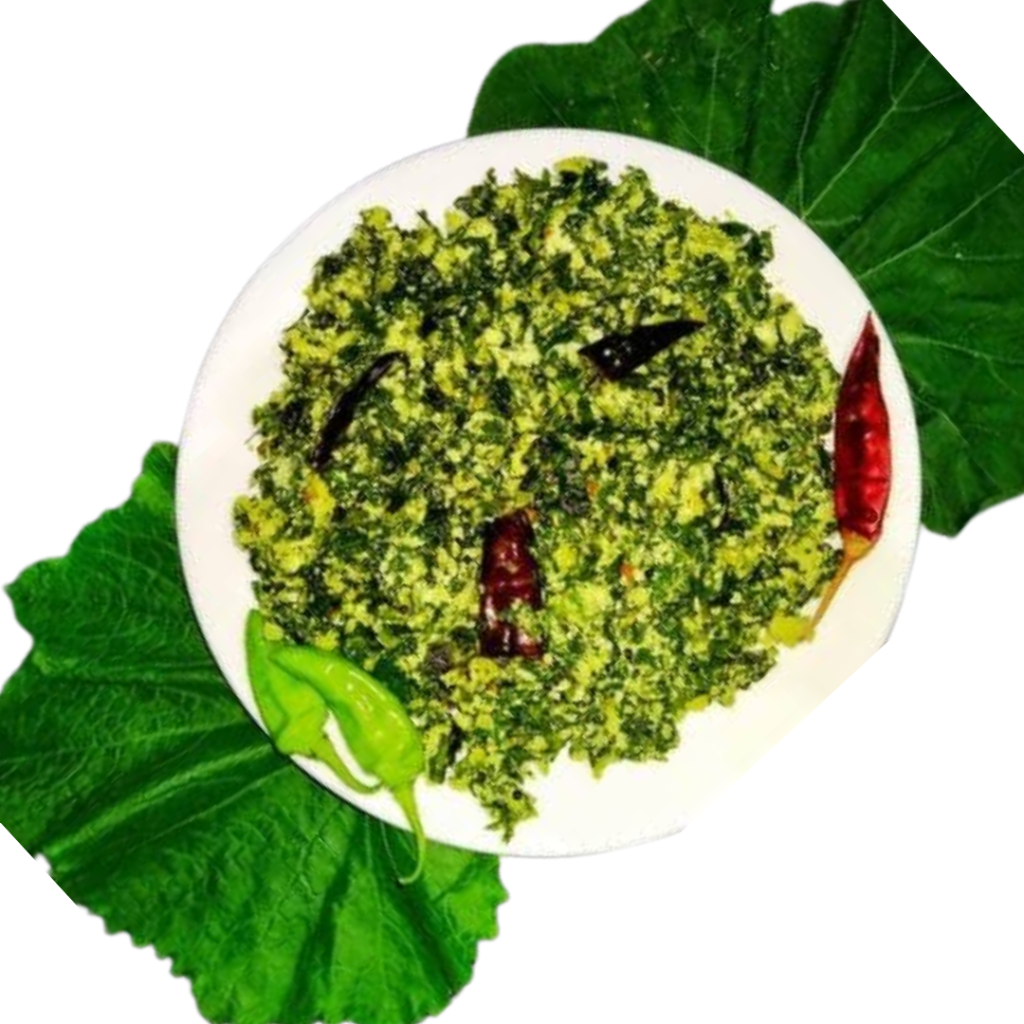
One such dish, deeply rooted in Kerala’s culinary heritage, is Pathila Thoran (പത്തില തോരൻ), a stir-fry made with ten different edible leaves. This nutritious and immunity-boosting dish perfectly captures the wisdom of using nature’s seasonal bounty.. These extremely seasonal garden greens became an essential source of nutrition when normal veggies became scarce. The concept is the same—using nature’s abundance to increase resilience and strength—even though the precise combination of leaves differs depending on the area. Karkkidakam is the ideal period for holistic well-being because of this practice, which supports the idea that herbs and medicines function best during this season.
The name itself comes from pathu (ten) and ila (leaf), emphasizing the dish’s core concept. While the exact combination of leaves varies by region, some commonly used ones include:

Colocasia esculenta/Arbi/Taro/താള്
Rich in calcium, phosphorus, iron, and potassium, Colocasia is excellent for improving digestion. The tender leaf stalks and unopened leaves, once peeled, can be used for making stir-fries. To remove itchiness, wash and chop them, then either boil in tamarind water, soak overnight in water, or sprinkle with turmeric before use.

Cassia Tora/തകര/തവര
Enhances digestion and is a remedy for skin diseases, respiratory issues, allergies, and eye disorders.
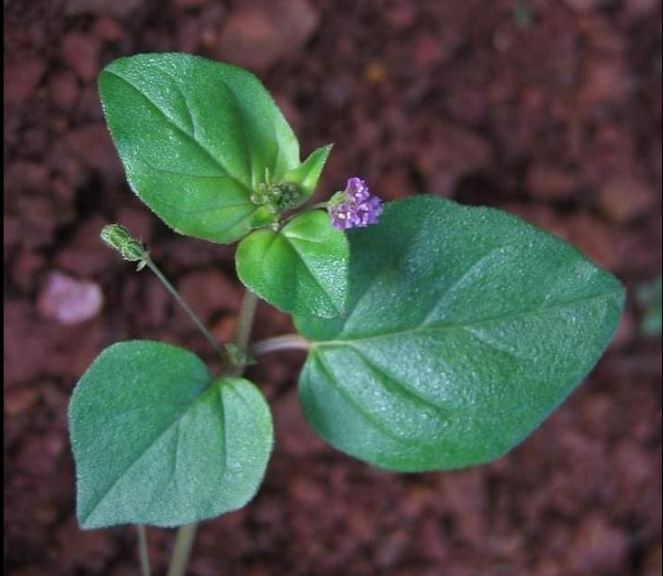
Boerhavia diffusa/Punarnava/തഴുതാമ
Rich in potassium nitrate, Thazhuthama is used as a diuretic. It is also beneficial for constipation, high blood pressure, heart diseases, and cough.

Amorphophallus paeoniifolius/Elephant Yam leaves/ചേന ഇല
A powerhouse of calcium, phosphorus, protein, vitamins, minerals, and fiber. Wild yam has higher medicinal value compared to cultivated varieties.
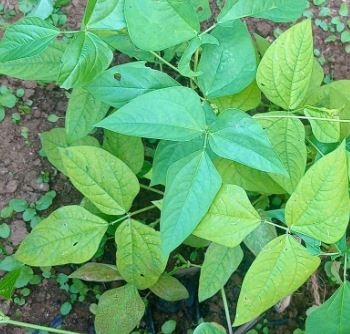
Yard long beans leaves/പയർ ഇല
Payar ila is excellent for body detoxification. It enhances digestion and strength and is effective against eye diseases and liver inflammation. The leaves of yardlong beans, mung beans, and wild beans can be used for stir-fries.

Ash Gourd leaves/ഇളവൻ ഇല
The leaves of ash gourd help purify the blood and control excessive bleeding. Regular consumption improves digestion.
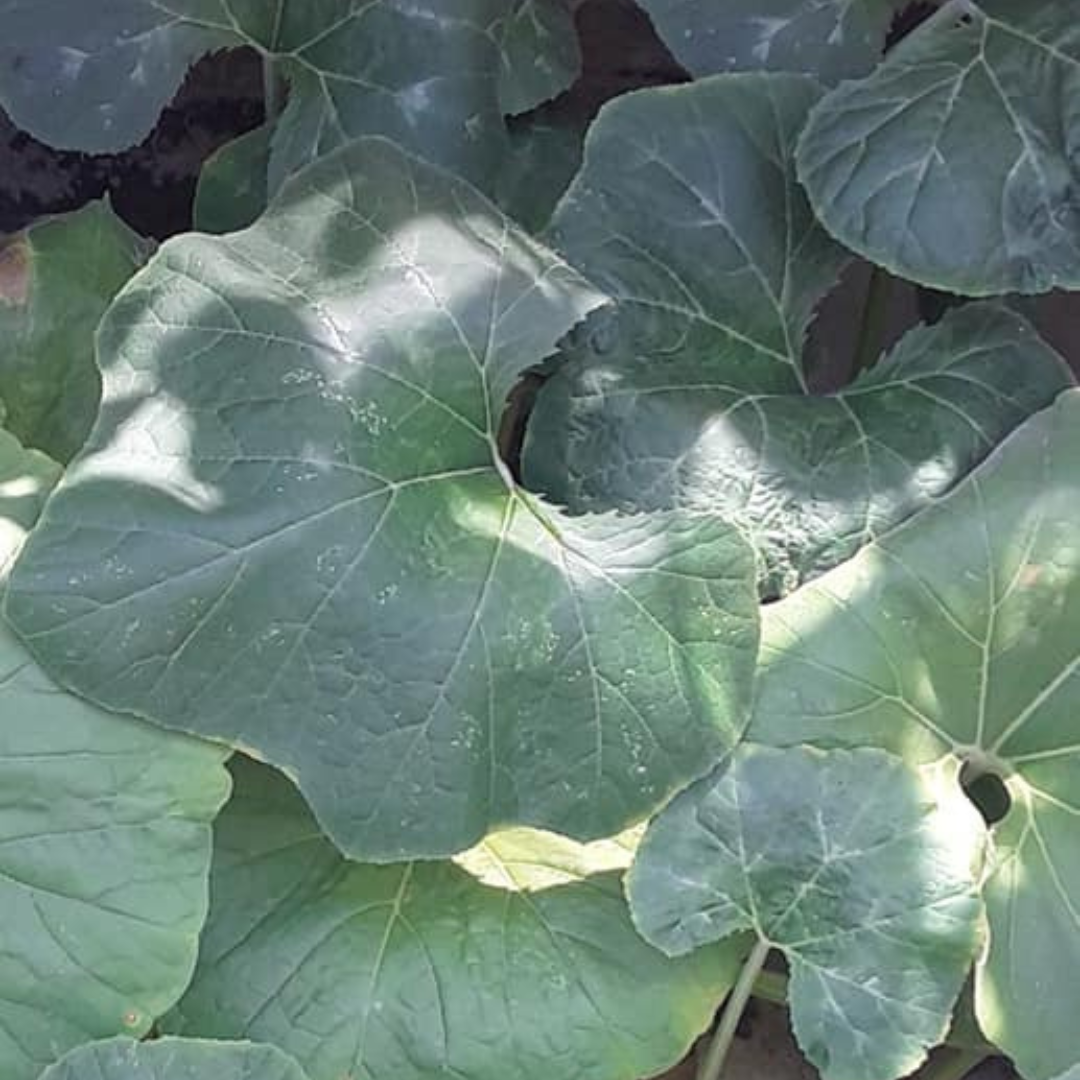
Pumpkin leaves/മത്തൻ ഇല
Rich in minerals, vitamin A, and vitamin C, Mathan Ila helps relieve digestive discomfort.
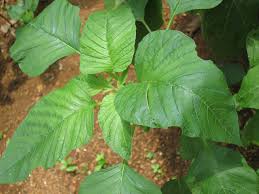
Green Spinach/ചീര
Among the most medicinally valuable greens, Cheera Ila is a rich source of calcium, iron, and vitamins. It is effective in preventing anemia.
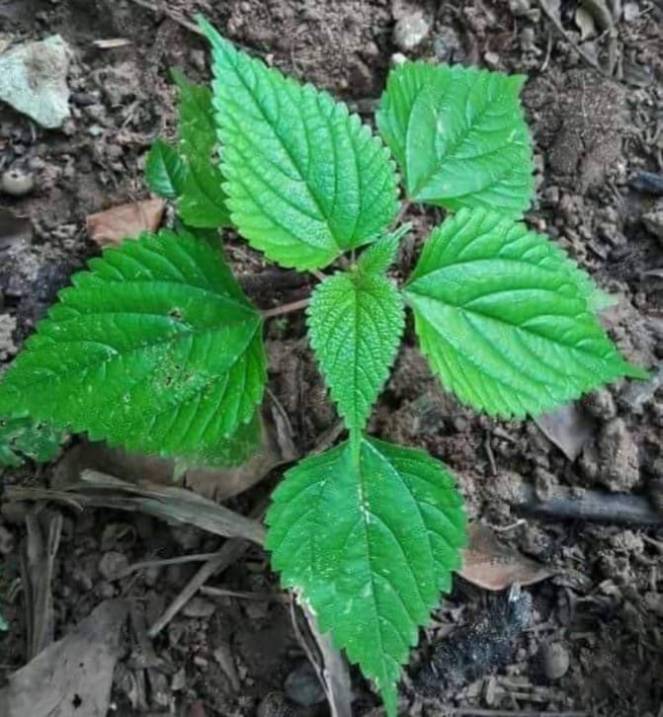
Indian stinging nettle/ചൊറിതണം*
Contains potassium, calcium, magnesium, vitamins, and iron. The tiny hair-like structures on the leaves cause severe itching, so they must be removed before use. According to tradition, this should only be consumed in the first few days of the Malayalam month of Karkidakam.

Cucumber leaves/വെള്ളരി ഇല
Packed with vitamins and minerals, Vellari Ila is excellent for eye health. The tiny hair-like structures on the leaves should be removed before consumption.

Diplocyclos palmatus/നെയ്യുണ്ണി/നെയ്യുർണി/ശിവനുണ്ണി/ഐവിരലിക്കോവ/ശിവലിംഗി
is traditionally used in Ayurveda for reproductive health, joint pain, and skin diseases.
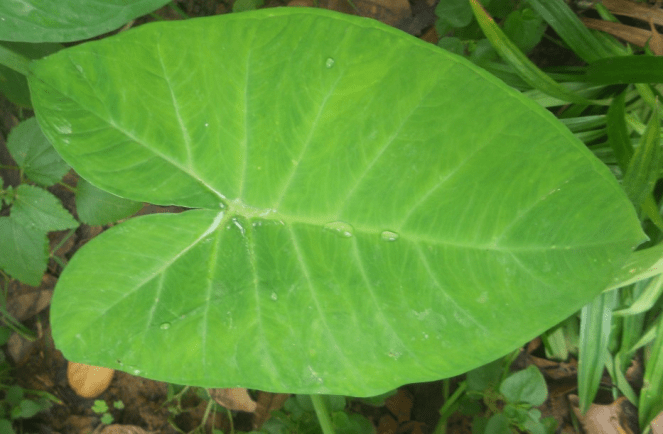
Xanthosoma sagittifolium/ചേമ്പ്
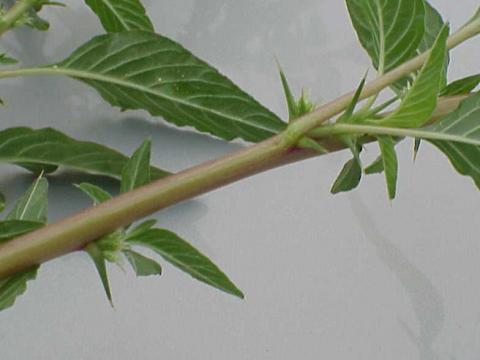
Amaranthus spinosus/Spiny Amaranth/മുള്ളൻ ചീര
Rich in iron, calcium, and vitamins, Spiny Amaranth is used to treat anemia, digestive issues, and inflammation. Its leaves and stems help in wound healing, blood purification, and improving lactation in nursing mothers.
Source
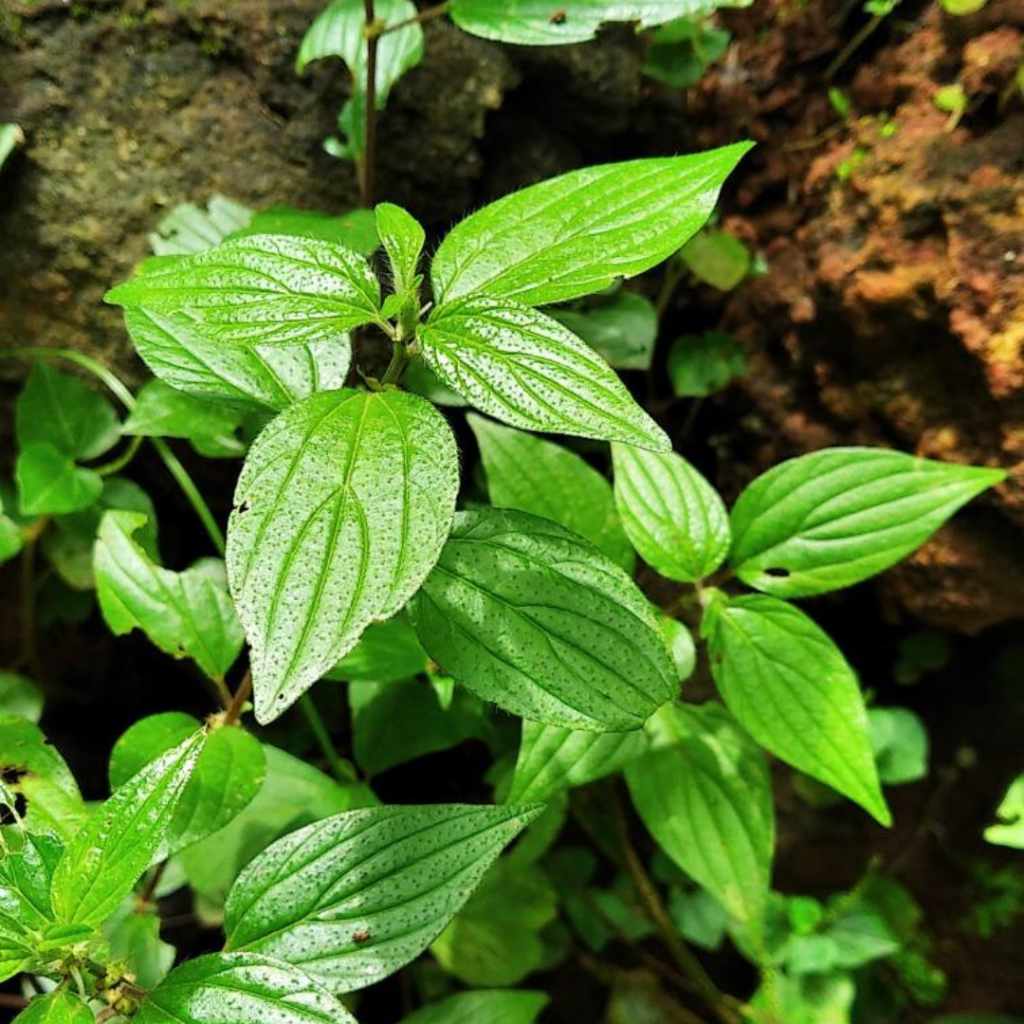
Pouzolzia zeylanica/മണിചീര/നെയ്യ് ചീര/കൽ ചീര
Good for wound healing, fever, and digestive issues. It is also known for its anti-inflammatory and blood-purifying properties.
In addition to this, the common greens that are readily available during this season are also consumed. This dish also denotes the realignment with nature – eat what is local, seasonal and simple.
Process
*Indian Stinging nettle – Take only the tender leaves without much touching, and dip it in hot water for 10mins and take them out. This helps to remove the sting.
You can take an equal amount of each of the above leaves(tender leaves). Wash them carefully and chop them finely. Combine the grated coconut, bird’s eye chili, garlic(optional), and cumin and put aside.
In a pan, heat the coconut oil and then add the mustard seeds, dried red chilies, curry leaves, and urad dal. Once they have spluttered, add the chopped leaves and turmeric powder and mix well. Cover and simmer over low heat for a bit. There is no need to add water because the leaves will naturally release moisture. After some time, when the leaves have shrunk to about half their original volume, add salt to taste.. Avoid adding salt too early, since it can become excessive.
Finally, add the crushed coconut mixture, stir thoroughly, and simmer for an additional five minutes. Make sure not to overcook. Pathila thoran is now ready.
Individuals with high blood pressure can use rock salt instead of ordinary salt. This incredibly nutritious dish is usually served with Karkidaka kanji (medicinal porridge).
Did you know that there is a similar traditional dish prepared with 101 greens in Assam during the GORU/RONGALI BIHU CALLED EKHO EK BIDH XAAK?
The Health Benefits of Pathila Thoran
Each leaf in Pathila Thoran brings a unique set of health benefits, making it a powerhouse of nutrition. This dish is believed to:
- Strengthens immunity and protects against seasonal infections.
- Aids digestion and detoxifies the body.
- Improves skin and hair health.
- Provides essential vitamins and minerals to counter nutrient deficiencies common during monsoons
Precautions while harvesting the leaves
- Correct Identification – Ensure you correctly identify edible leaves and avoid toxic lookalikes.
- Harvest from Safe Areas – Avoid leaves from polluted roadsides, industrial zones, or pesticide-sprayed farms.
- Sustainable Picking – Pluck only a few leaves from each plant to allow regrowth and prevent overharvesting.
- Check and Clean – Inspect for pests, damage, or infections, and wash thoroughly before use.
- Use Fresh or Store Properly – Consume fresh for maximum benefits or store in a damp cloth in the fridge for short-term use.
A.

 MY LITTLE THOUGHTS LANE
Leave a comment