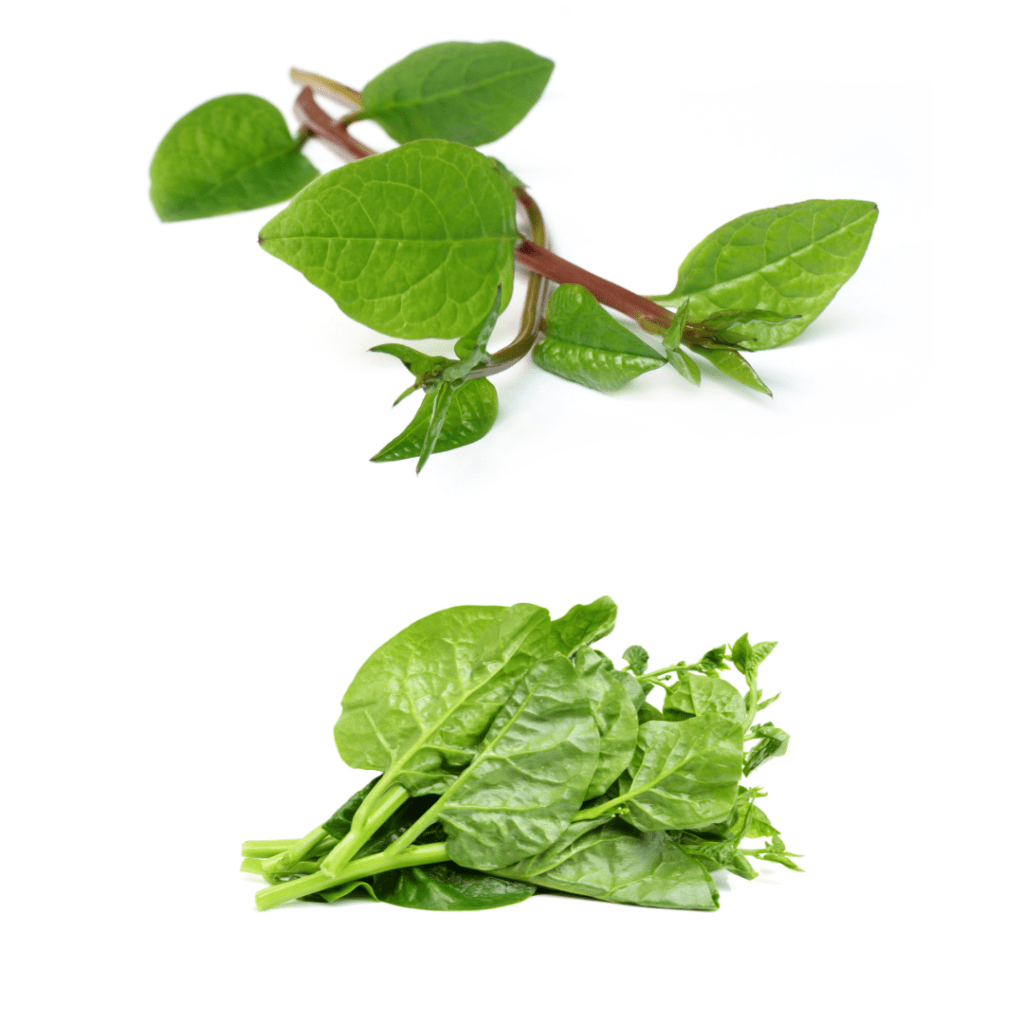
What makes Basella especially valuable is that almost every part of the plant can be used. Its leaves, tender stems, and fruits are all edible. Additionally, its roots have been used for medicinal purposes worldwide. There are two types of Basella: one with green stems and another with red or violet stems. The red Basella is notable for its bright red-violet colors in the leaves, stalks, petioles, and fruits. These colors come from betalains, strong antioxidants that help protect against oxidative stress, inflammation, and chronic illnesses.
Family: Basellaceae (Basella family)
Common names from flowersofindia.net: Ceylon spinach, Indian spinach, Malabar Spinach, Red vine spinach, Vine spinach • Hindi: Poi पोई • Manipuri: ꯎꯔꯣꯛ ꯁꯨꯝꯕꯜ Urok Shumbal • Konkani: Valchi Bhaji • Tamil: Vasalakkirai • Kannada: ಬಸಲೆ, ಬಸಳೆ Basale, ಪೋತಕಿ Potaki,ಮಂಥಗಾಲಿ Manthagaali, ಮಂದಕಾಲಿ Mandakaali, ಮಣ್ಮಡಕಾಳಿ Manmadakaali, ಪೋತಕಿ Potaki, ಉಪೋದಿಕೆ Upodike, ಉಪೋದಕಿ Upodaki • Marathi: Velbendi • Gujarati: Valchi Bhagi • Malayalam: Vashalaccira • Sanskrit: उपोदिका Upodika, पोतिका Potika • Bengali: Pui Shaak • Mizo: Nawi-nawk
Etymology:
Basella: The genus name is derived from “Basale”, a local name from South India (probably Kannada/Tulu/Malayalam) that was adopted into botanical Latin by Linnaeus.
alba: From Latin albus = “white.” Refers to the white (or pale greenish-white) flowers of this species, distinguishing it from Basella rubra, which has reddish stems and pinkish flowers.

Rich in nutrients and medicinal properties, Basella contains betacyanin, carotenoids, bioflavonoids, β-sitosterol, and lupeol. These compounds are known for their antioxidant, antiproliferative, antimicrobial, and anti-inflammatory effects. These bioactive substances are associated with several health benefits, including anticancer, antiviral, anti-ulcer, cholesterol-lowering, anti-diabetic, wound-repairing, and androgenic properties.

In Ayurveda Malabar spinach is called as “Upodika”, “Potaki”, “Malvaa”, “Amritvallari”, and in Siddha/Tamil as “Vaslakkirai” (Khare, 2004). The plant’s leaf juice is traditionally used to treat catarrh and serves as a gentle laxative for children, pregnant women, and those with urinary issues. It is considered as a natural coolant and hence is very good to treat mouth ulcers(chew 1/2 leaves raw), also can be crushed and applied on burns, bruises, cuts, wounds pimples to relieve the sensation or inflammation.

It is used as a vegetable in many countries like Philippines, Thailand China, Mongolia, India, Sri Lanka and many African countries. The flesh of the seeds can also be consumed by making squash or syrups or even jams apart from using it as a food color or even for dyeing clothes.
This green is also called as ‘Pappada cheera’ or ‘Valli cheera’.
In Bengali cuisine, the young seeds are also used for cooking.

Recipes

- Poi saag dal
- Malabar Spinach Kuzhambu(Curry with green gram and Basella)
- Chettinad Style Mung Bean Stew with Malabar Spinach
- Quick and Easy Thai Red curry
- Malabar Spinach and Bottle Gourd Molakootal
- Salad
- Kanda Bachali Koora – Elephant yam and Basale curry
- Stir fry with mushrooms by Forager Chef
- Vali Bhajji Ambat – North Kanara style
- Basale chutney
- Basale stems and Jack fruit seed curry
- Malabar Spinach and raw papaya curry
- Basale bendi or Basale Kudu Kajipu – Mangalore Style
- Valchebaji Curry – Mangalore Special Basale & Raw papaya curry
- Basale Koddel
- Basale Soppina Sassive
- Poi patra pitha – Odia recipe
- Vashala Cheera thoran
- Poi saag chorchori – Bengali recipe
- Basale soppina tambuli
- Basale Pundi
- Salad with garlic sauce
- Bachali aaku salla sambar
- Puroi Xaakor Bor – Assamese style fritters
- Mangalore style Sambar with Basale soppu
- Poi Saag Bachka/Tarua – Recipe from Bihar
- Pui Mituli Chorchori– A Bengali dish made with tender seeds.
- Basale Seeds Squash –
No-cook method – Using a mortar and pestle, lightly crush the washed and cleaned seeds. Strain the extract through a clean cloth or fine sieve to collect the juice. Add the required amount of water, along with mint leaves, sugar/honey/jaggery, and a dash of lemon juice.
Cooking method – Add the seeds to a pressure cooker along with sugar and water. Cook for 2 whistles. Once it cools down, strain the liquid and store it. When needed, dilute with water and serve. You can enhance the flavor by adding mint, tulsi, basil seeds, khus-khus, or a dash of lemon juice. The same method works well for making squash with different fruits or flowers like rose, hibiscus, and more.
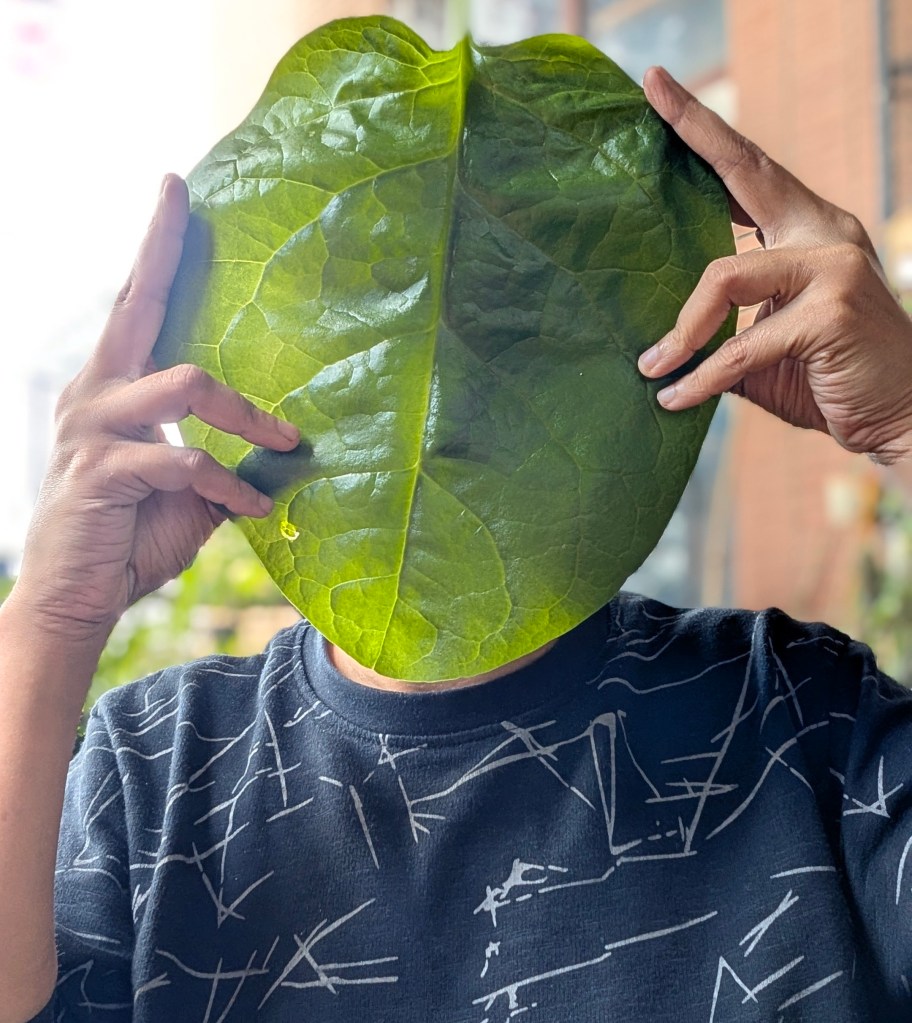
Do you have any favorite recipes with this leafy vegetable?
 MY LITTLE THOUGHTS LANE
Leave a comment