Tag: edible greens
-
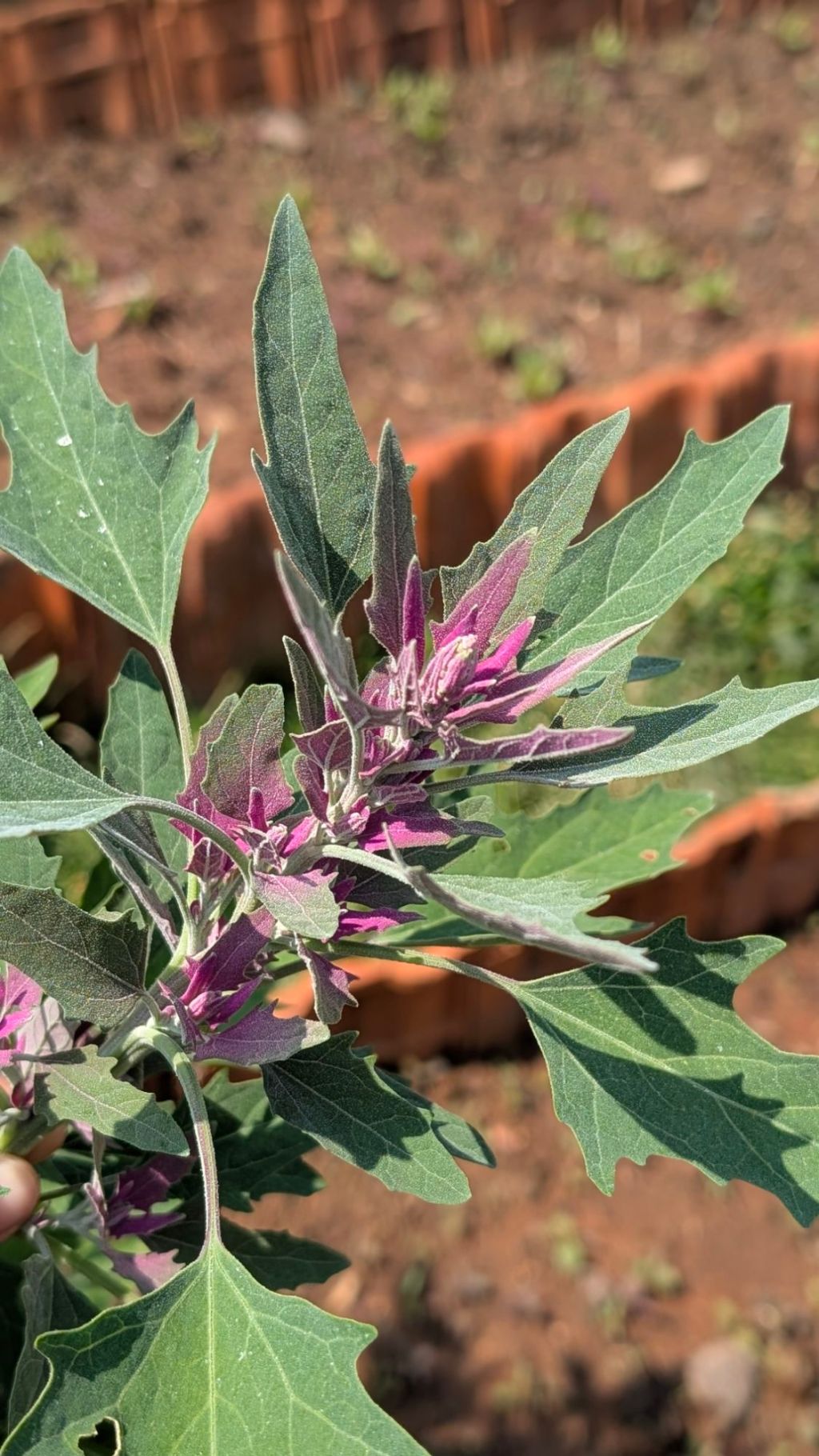
Chenopodium species & Atriplex hortensis- Bathua/Goosefoot
The name “Bathua” is often used for multiple goosefoot species found during winter. This article looks at the commonly eaten Chenopodium album, along with related species such as Chenopodium giganteum and Chenopodiastrum murale, explaining how to tell them apart, their edible uses, and their role in traditional Indian food culture.
Written by
·
-
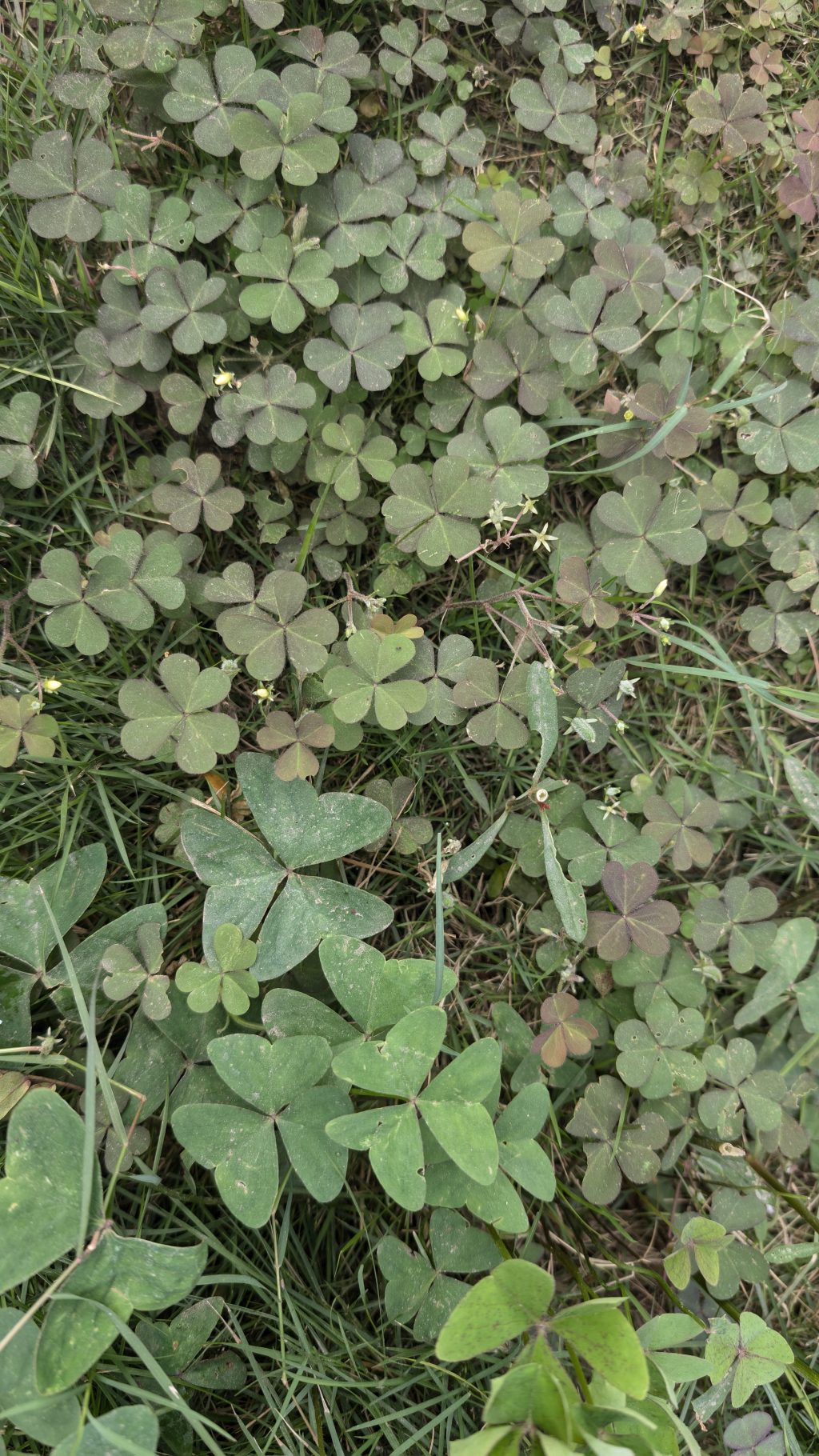
Oxalis – Creeping Woodsorrel
Learn how to identify Creeping Woodsorrel (Oxalis corniculata), a common edible weed in India. Discover local names, traditional uses, safety tips, and simple recipes using this sour foraged green.
Written by
·
-

Celosia argentea – Silver Cockscomb
The first time I got to hear about Silver cockscomb was as ‘Kurdu’ in Pune from a lady whom I met at a local market .She said Kurdu comes in that local market during monsoons only. I tried searching it during the monsoons, but couldn’t find any. Botanical Name: Celosia argentea L. var. argentea Family: Amaranthaceae (Amaranth…
Written by
·
-

Solanum complex – Indian Blacknight shade
Indian Blacknightshade, comprising Solanum americanum and Solanum nigrum, is widely consumed despite not being native to India. Both varieties bear edible parts but require proper preparation to ensure safety, with research highlighting their medicinal benefits. Traditional use includes treating ailments, showcasing their culinary versatility through various regional recipes.
Written by
·
-
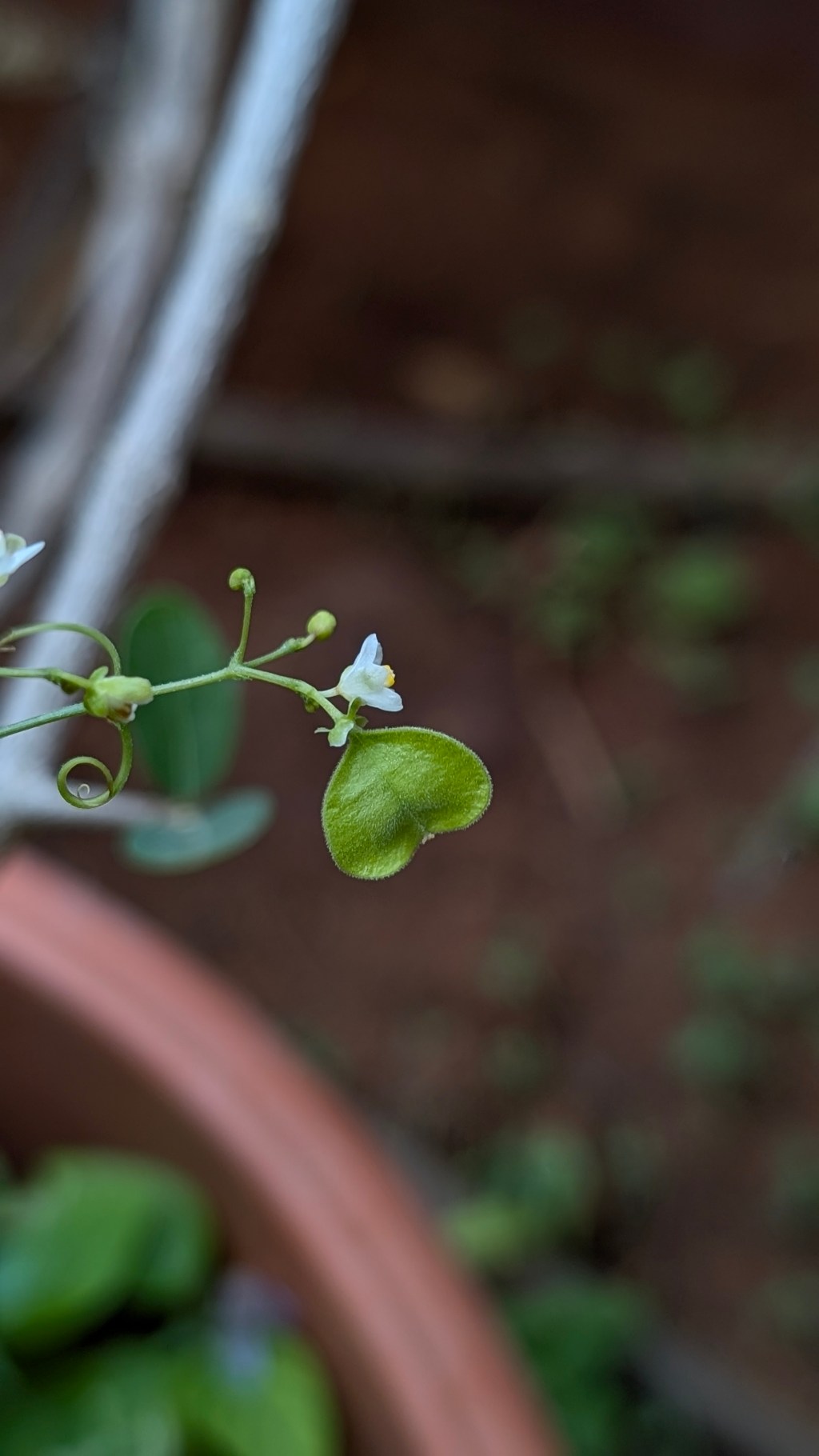
Cardiospermum halicacabum – Balloon vine
Balloon vine aka Uzhinja(ഉഴിഞ്ഞ) is one among the sacred Dashapushpams of Kerala and the first time I would have seen this plant was during the school youth festivals. Wondering how? I used to participate in Thiruvaathirakali dance competitions and its not just the synchronicity and elegance of dancers that matter, when it comes to the…
Written by
·
-
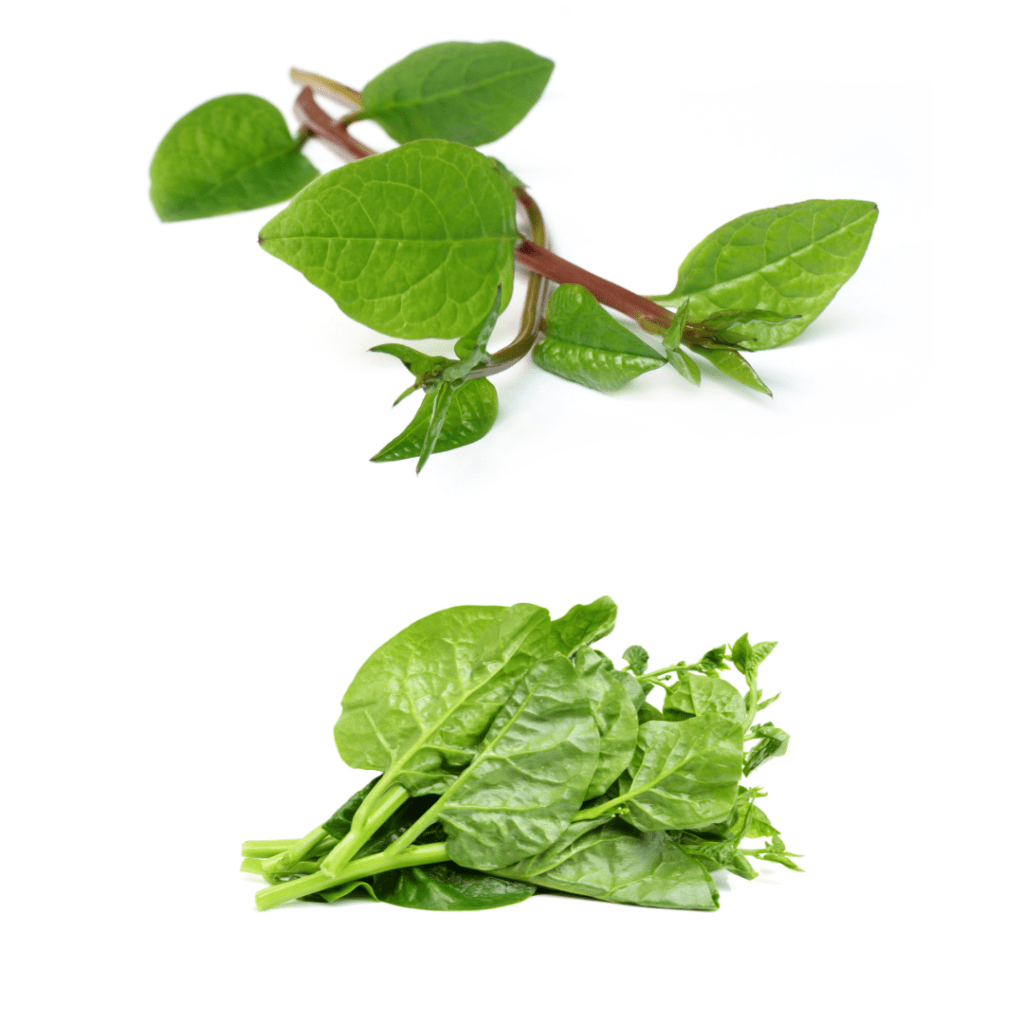
Basella alba – Malabar Spinach
What makes Basella especially valuable is that almost every part of the plant can be used. Its leaves, tender stems, and fruits are all edible. Additionally, its roots have been used for medicinal purposes worldwide. There are two types of Basella: one with green stems and another with red or violet stems. The red Basella…
Written by
·
-

Ipomoea aquatica -Water Spinach
Kalmi saag, also known as water spinach, is a versatile green found in various regions and is rich in nutrients. With culinary uses ranging from stir-fries to fritters, it is popular in rainy season recipes. Its low-calorie, nutrient-rich profile makes it beneficial for health, including aiding sleep and treating ailments.
Written by
·
-

Mollugo pentaphylla & Glinus oppositifolius – Carpet Weed
Mollugo pentaphylla and Glinus oppositifolius, both members of the Molluginaceae family, are recognized as edible greens known for their bitterness. Varieties exist in many languages and regions. The author shares personal experiences in finding and cooking dishes like dosa with these greens, highlighting their culinary significance and cultural enjoyment.
Written by
·
-

Lost in Translation: The Many Names and Mysteries of Ponnanganni or Honagone
Though the saying goes, “What’s in a name?”, I often find myself saying that names are highly subjective, especially when it comes to plants. Many local/common names overlap between different species, sparking endless confusion. The debate over which is the “real Ponnanganni”(Tamizh) or “Honagone”(Kannada) only gains more momentum and heat in gardening groups, turning a…
Written by
·
-
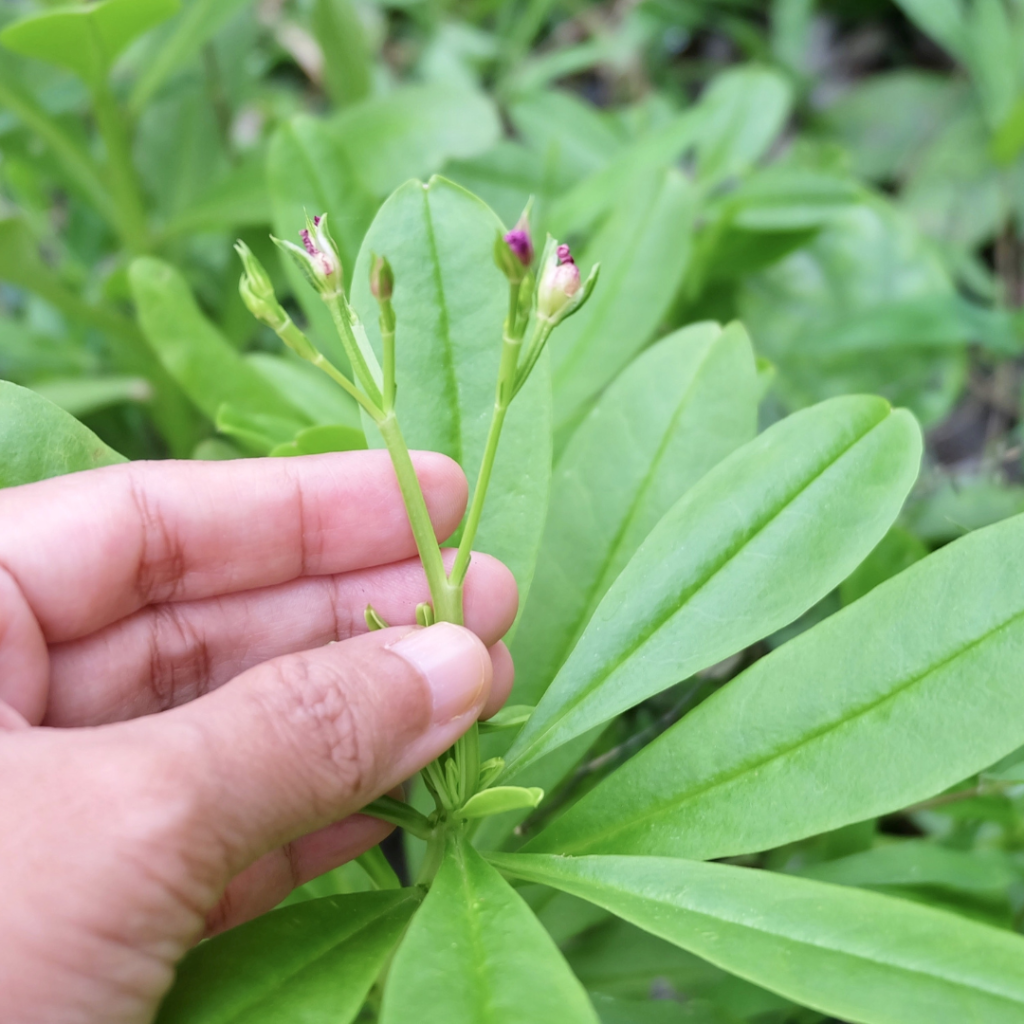
Talinum fruticosum – Ceylon Spinach
This is one of the cheeras (spinach in Malayalam) I remember growing abundantly where I was brought up. Whenever we had enough to make some delicious curries, we’d trim it so it could grow back stronger. I’ve always loved its pretty pink blossoms—they’re such a sweet sight! I also loved popping the seeds. They crack…
Written by
·
-
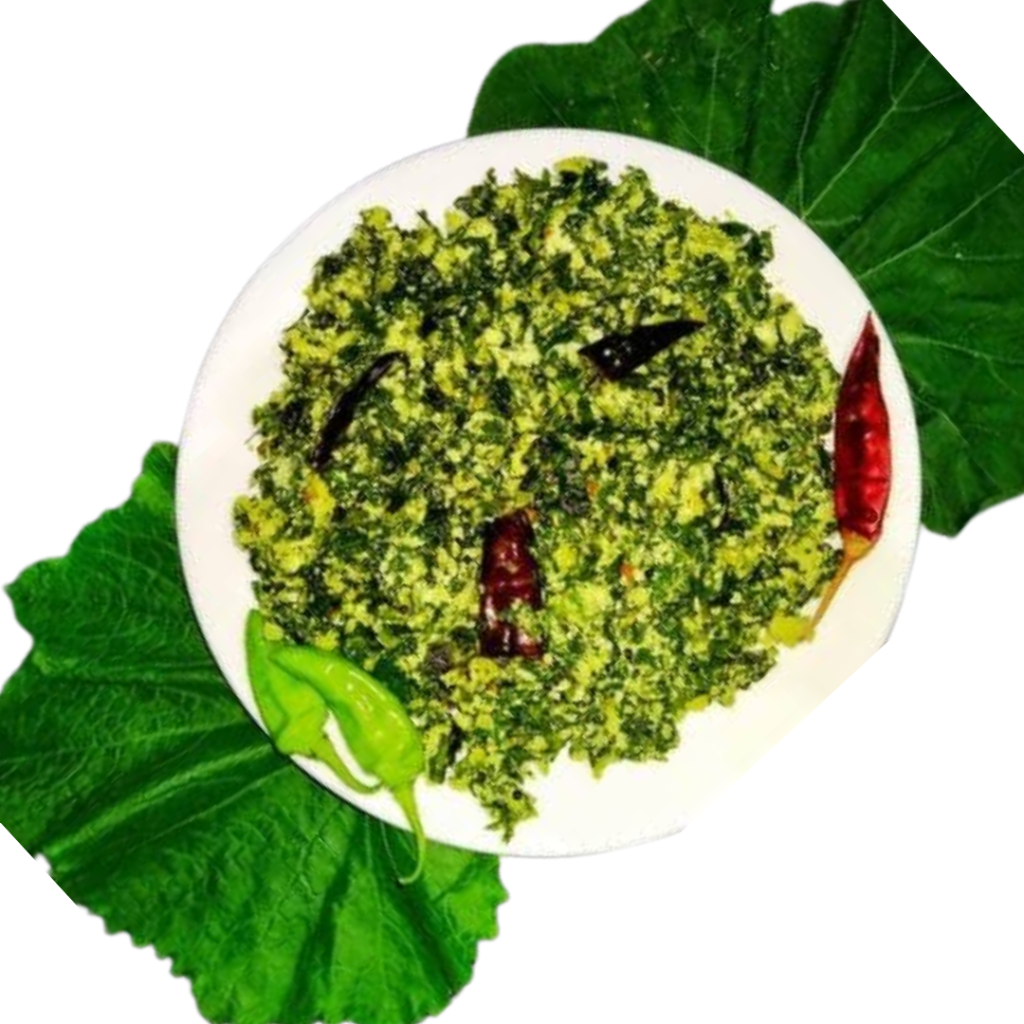
Pathila Thoran: Kerala’s Healing Greens on a Plate for Monsoon Wellness
Karkkidakam, the month of heavy rains and seasonal shifts, brings with it the age-old tradition of Pathila Thoran—a nourishing stir-fry made from ten medicinally rich leaves. These backyard greens, harvested with care, provide a natural boost to immunity and well-being. But gathering them requires mindfulness—correct identification, safe harvesting practices, and proper cleaning ensure both health…
Written by
·
-
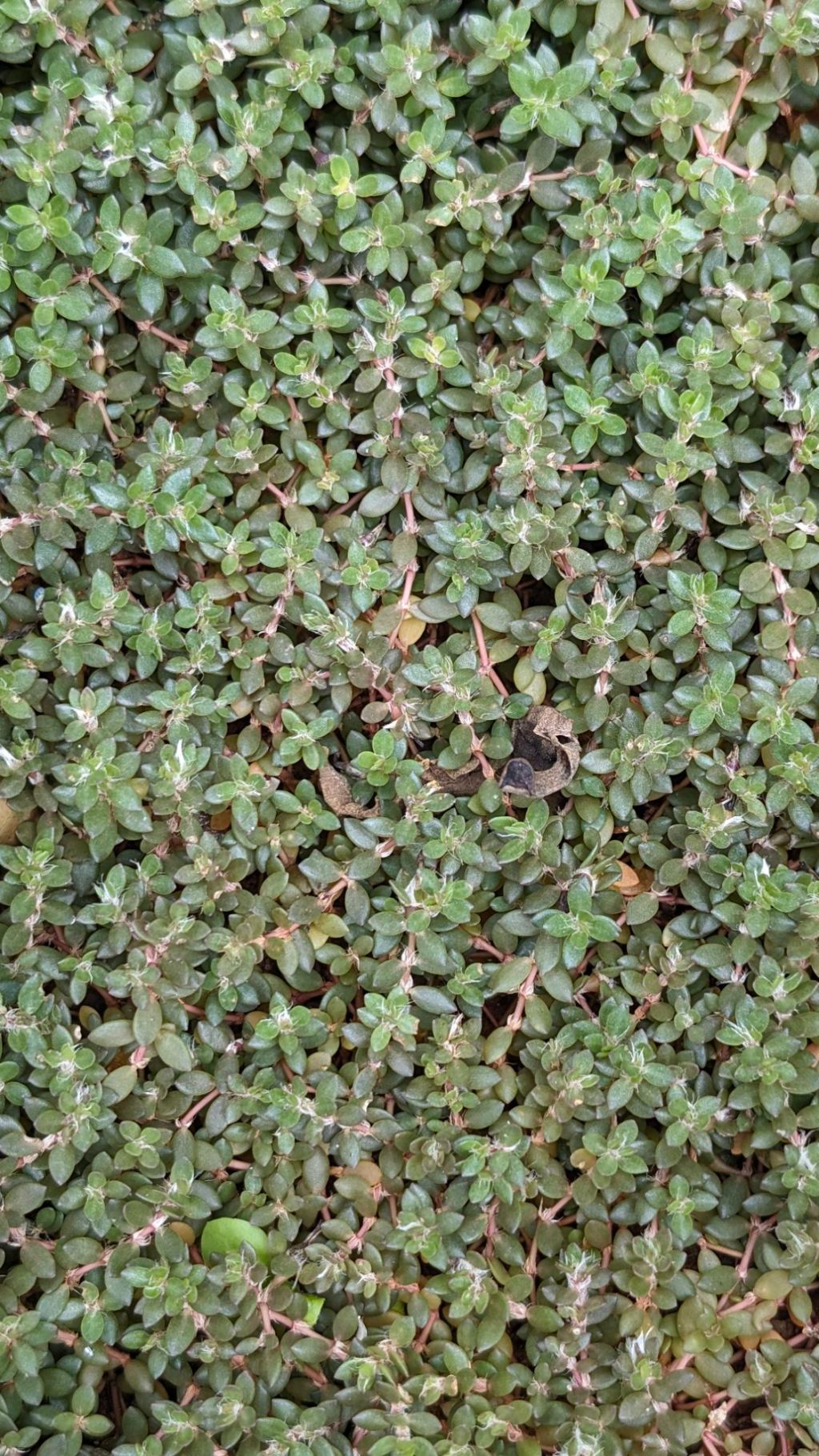
Portulaca quadrifida – Wild Purslane
You may not find this greens/keerai in city or town markets. Or even in villages these days! While I have seen and consumed the Common Purslane, this little one seemed to be a rare find for me. My friends in the Forgotten Greens group used to share this plant from various parts of India but…
Written by
·
 MY LITTLE THOUGHTS LANE