
Starting the series of edible greens from the list I provided in one of my previous posts. If you missed to see the list, click here.
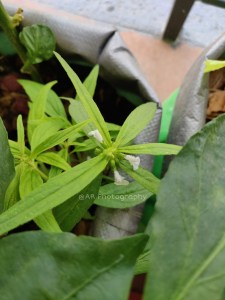
Botanical Name: Leucas aspera Family: Lamiaceae (Mint family)
Common names from flowersofindia: Common Leucas • Hindi: छोटा हल्कुसा Chhota halkusa, गॊफा Gophaa • Manipuri: ꯃꯌꯡꯂꯝꯕꯨꯝ Mayanglambum • Marathi: Tamba • Tamil: தும்பை Thumbai • Malayalam: Tumba • Telugu: Tummachettu • Kannada: Tumbe guda • Bengali: Ghal ghase • Oriya: Bhutamari • Konkani: Tumbo • Sanskrit: द्रोणपुष्पी Dronapushpi • Nepali: गुम्मा Gummaa, दनेफु Danephu, द्रोणपुश्पि Dronapushpi, गुमपाते Gumapaate
Etymology:
Leucas: The genus name “Leucas” is derived from the Greek word “leuke,” which means “white.” This name likely alludes to the white or pale-colored flowers that many species within the Leucas genus produce
Aspera: The species name “aspera” is derived from the Latin word “asper,” which means “rough” or “harsh.” This name is used to describe the rough or pubescent texture of the plant’s leaves and stems.
For those who think of the Thumba plant as a common weed, let me assure you that it is much more than that. It is not only delicious and medicinal, but its lovely white blooms are regarded auspicious in religious events, especially Poojas*. Renowned for its use in home remedies, this plant is often employed to treat sinusitis, colds, and coughs, along with many other medicinal purposes. Its significance is further highlighted by the saying, “Thumba poo pole” (like the Thumba flower), which draws a poetic comparison to its pure white color.
While the Thumba flower has a naturally sweet taste, the leaves, on the other hand, possess a strong, pungent flavor. When incorporating them into cooking, it’s often necessary to balance their sharpness by adding a touch of sweetness or a hint of sourness, such as tamarind or kokum, to neutralize the intensity.
- Thumba plant is used by people of Telangana on Vinayaka Chathurthi day.
- The traditional Kerala Onam pookkalam always starts with Thumbapoo(and Thulasi) on Day1 and then gradually adds on with one more type of flower reaching to a bigger pookkalam on the Thiruvonam.
- Add the chopped leaves for chilly plants which is an excellent manure for the plant. My Amma taught me this.
- Burning the fresh leaves along with the dhoop would help to repel mosquitoes.
- The crushed leaves and juice are applied on scorpion bites, insect bites to relieve from swelling and pains.
- It is used for postpartum care – add it while boiling the bathing water for mother.
- If you have been used to the Ayurveda practice called nasyam, dripping 2 drops of fresh leaf juice in each nostril will help you to relieve from migraines and headaches.
- The leaves are crushed and used for small cuts and wounds.
- It helps to reduce the intestinal worms.
Recipes
- Thumba thoran video recipe by my mother
- Kalpana Manivannan’s(Karmaveer chakra awardee) nutritious salad with the flowers along with other greens. You can also add some microgreens in this.
- Unave Amritham has a recipe video of thumbapoo thuvaiyal where the benefits and other uses of the plant is also explained. The video is in Tamil.
- Thumba poo ada here
- A Konkani style Thumbe palya sukke(Thoran with leaves) by Geetha
- Tummi Kura pappu recipe with a lovely story from Mythology
- Tummi Kura Pachadi by Vahrevah
- Tummi Kura chutney
- Two Assamese recipes on Doron Bor
- Thumbai Keerai Kadayal recipe video(Tamil)
- Thumba thoran video recipe(Malayalam)
Nectar Plant
Hebomoia glaucippe – Great Orange-tip
News Articles on Thumba
- Mathrubhumi – Thumbapoo dosa and payasam(in Malayalam)
- The Hindu – A weed that cures
*An interesting article on How Hindus use flowers in worship
So how do you use this plant in your regional cuisines or as medicine. Which greens you want next from my list?. Please let me know if you liked this post in comments. Don’t forget to check my post on Edible Greens of India.
A


 MY LITTLE THOUGHTS LANE
Leave a comment