After exploring the 12 different categories of tubers in this series—like Cassava, Sweet potatoes, winged bean tubers, arrowroot, edible canna, Taro and Tannia and Elephant foot yam, Chinese potato, Larger Yam, Lesser Yam, Air potato, the Gingers and Turmerics— I’m excited to share the next in the series! This time, we’ll dive into some of the lesser-known, local to some regions, or recently introduced tubers that are making slower waves. Let’s uncover these underground gems together!
Angelica glauca Edgew/Gandrayani
Gandrayani is a root used widely in Uttarakhand to enhance the flavour of dishes. But there is hardly any research on the health benefits of this plant as per the article by Chitra Balasubramaniam on Down to Earth.
Roots are also used in the preparation of gin and liqueurs known as bitters. The root is used like hing (asafoetida), but its smell is not as overpowering as hing but it gives a distinct flavour to the food.
Family: Apiaceae (Carrot family)
Synonyms: Angelica nuristanica
Common names from flowersofindia.net: Smooth Angelica • Dogri: chohor, chora • Hindi: Chora, Choru • Sanskrit: canda, coraka, granthiparna, ksemaka, taskara • Tibetan: Tsa ron
Etymology:
Angelica: From Medieval Latin angelica, meaning “angelic” or “angel-like.” The name comes from the belief that the plant had heaven-sent healing properties, especially during the time of the plague in Europe. Folk stories said it was revealed by an angel as a cure — hence the name.
glauca: Derived from the Latin wordglaucus, meaning “bluish-grey” or “pale green.” Refers to the bluish-green or greyish waxy hue often seen on the leaves or stems of the plant.
Additional Reads –
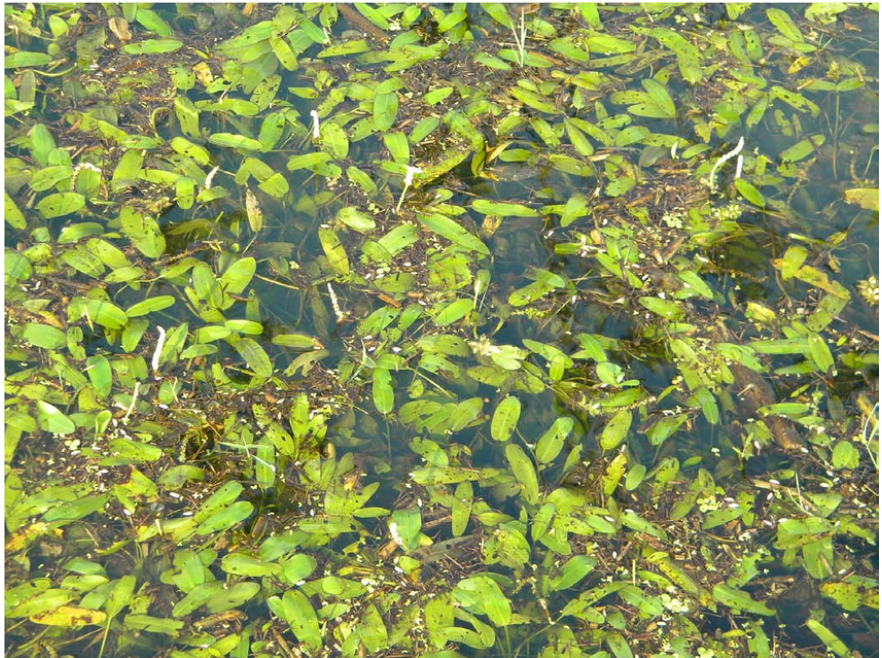
Aponogeton natans/Kotti Kizhangu

Almost an year back I learnt that the water plant I used to play with every monsoon during my childhood actually has edible corms, and I had no idea! It’s such a disappointment to me because I can’t find it as easily anymore. I can’t help but feel a bit guilty about missing out on that opportunity to taste those nutty flavoured corms.
Family: Aponogetonaceae (Cape-pondweed family)
Common names from flowersofindia.net: Floating Lace Plant, Drifting Swordplant • Kannada: Kothe gida, Neeru balli, Neeru kasa • Tamil: Kotti, Kotti kizhangu • Telugu: Nava dumpa, Nanna puvvumokka
Etymology:
Aponogeton: The origin is a bit obscure, but it’s believed to be derived from a local geographic or botanical name, possibly “Apono-geton”, referring to a region or river where the plant was first identified or described.
natans: Derived from the Latin word nātāns, meaning “floating.”
Recipes
- Kotti Kilangu Gravy(tastes like mutton gravy)
- Kurma
- Kotti Kizhangu varuval
Asparagus racemosus Willd./Shatavari
It is best known in India as Shatavari (meaning “she who has a hundred husbands” in Sanskrit, hinting at its reputed benefits for female reproductive health). It’s a key herb in Ayurveda, used as a rejuvenative, adaptogen, and tonic, especially for the female reproductive and hormonal systems.
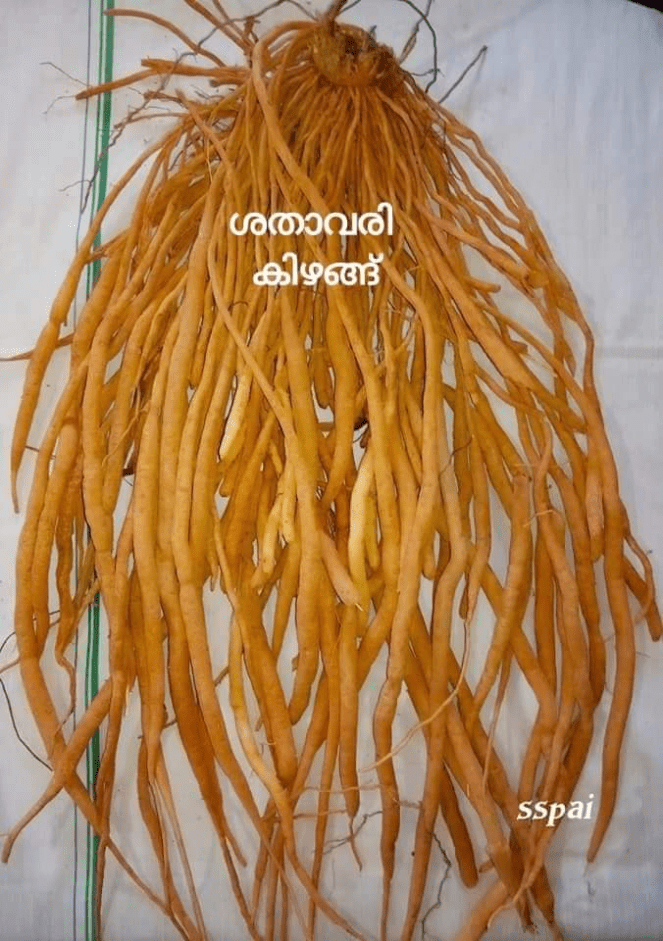
Family: Asparagaceae (Asparagus family)
Synonyms: Asparagopsis abyssinica, Asparagus zeylanicus, Asparagus stachyoides
Common names from flowersofindia.net: Satawari, Buttermilk root, Climbing asparagus, Water root, Wild asparagus, Wild Carrot • Angami: Siepru, Seihu, Zeipru • Assamese: শতমূল Satomul • Bengali: শতমূলী Satamuli • Gujarati: શતાવરી Shatavari • Hindi: शतमूली Shatamuli, शतावरी Shatavari • Kannada: ಹಲವು ಮಕ್ಕಳ ತಾಯಿ ಬೇರು Halavu Makkala Taayi Beru, ಶತಾವರಿ Shatavari • Konkani: सतावरी Satavari • Malayalam: ശതാവരി Sathavari• Manipuri: ꯅꯨꯡꯒꯥꯔꯩ Nunggarei • Marathi: शतमूली Shatamuli, शतावरी Shatavari • Mizo: âr ke bâwk • Nepali: कुरिलो Kurilo, सतावरी Sataawaree, झिरझिरे काँडा Jhirajhire Kaandaa • Oriya: ବରୀ Vari • Sanskrit: शतमूली Satamuli, शतावरी Satavari • Santali: ᱥᱟᱛᱣᱟᱹᱨ Satwar • Tamil: தண்ணீர்விட்டான் Tannir-vittan • Tangkhul: Kameoseihawon • Telugu: అబీరువు Abiruvu, చెల్ల Chella, పిల్లపీచర Pilla-pitsara • Urdu: ستاور Satawar
Etymology:
Asparagus: From the Greek word “asparagos” (ἀσπάραγος), which originally referred to young shoots or sprouts.
racemosus: Derived from the Latin word racemus, meaning “a cluster” or “a bunch of grapes.” The suffix -osus implies abundance.
This means “full of clusters”, referring to the way the flowers grow in dense racemes (a type of flower cluster).
There are other varieties of asparagus which are edible like Asparagus filicinus,Asparagus officinalis etc.
Recipes
- Shathavari pickle ~ Shared by Sadananda Pai

Shatavari root (250 g) – cleaned, cut, boiled, and peeled
Red chili powder (50 g)
Asafoetida (¼ tsp)
Mustard seeds (1 tsp)
Gingelly oil (50 g)
Vinegar – 2 tbsp
Salt – to taste
Boil the cleaned, sliced roots. Peel and soak them in a salt-vinegar solution for 15 days. When ready to pickle, drain and sauté with mustard, chili powder, and asafoetida in oil. Store dry; stays good for about a month.
Bamboo

There are many species of edible bamboos in India. We eat the fresh shoots of bamboo by making pickle, curries, sabjis etc. Konkanis call it Keerlu and use it to make various sabjis, combine it with jackfruit seeds, brine them and use it later for cooking,
Recipes
- Bamboo shoot Curry
- Keerlu ani bikkanda Upkari(Bamboo and jackfruit seed stir fry)
- Brined Keerlu
- Ambado ghalnu keerla ani mooga ghashi(Mung+bamboo shoots curry with hog plums)
- Kali tori-keerlu -ambado ghalnu ghshi/koddel(Black pigeon peas, hog plum and bamboo shoots curry)
- Many more Konkani dishes with bamboo shoots
- Mulamkoob thoran
- Bamboo shoot pickle
Decalepis hamiltonii Wight & Arn./Mahali Kizhangu
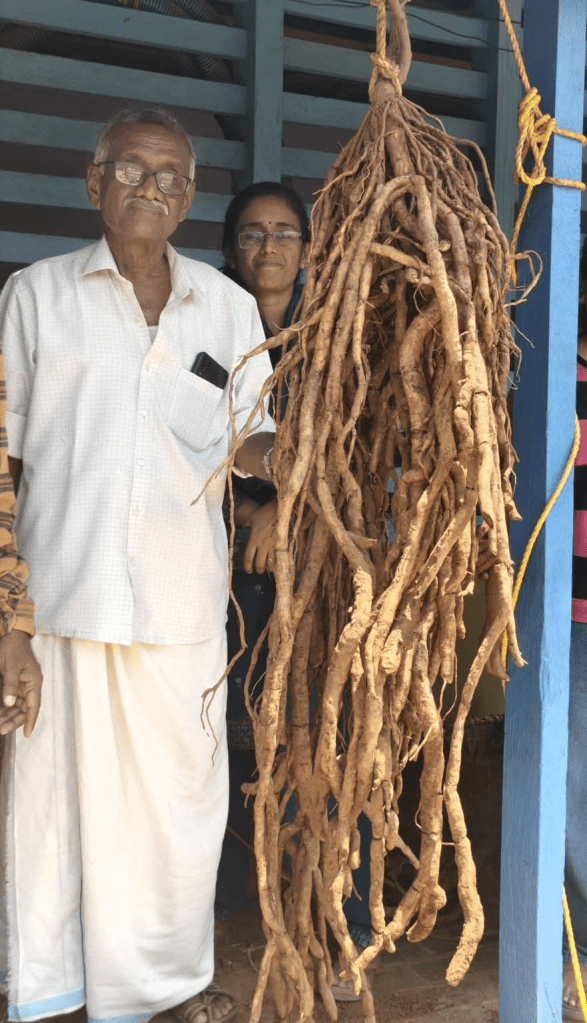
Pic courtesy – Ajayan Sadanandan, CIMH
“Swallow-Root is an endemic and endangered plant of Andhra Pradesh. It grows in between the rocks and places where there is thick vegetation. Milky latex is present in the entire plant. Each root is 5-10 cm in diameter and 4-10 roots arise from the rootstock. A 2-3 year old plant produce 15-20 kg of roots and one year old plant produces 1-2 kg of roots.” ~ FlowersofIndia.

Family: Apocynaceae (Oleander family)
Common names from flowersofindia.net: Swallow-Root • Kannada: ಮಾಗಳಿ (ಬೇರು) Maagali beru, ಮಾಕಳಿ (ಬೇರು) maakali beru, Maakali beru • Malayalam: Mahannikizhangu, Nannari, Mahalikizhangu • Sanskrit: Sariba, Svetasariva • Tamil: Peru Nannari, Mahaali Kizhanku, Mavillinga Kizhanku • Telugu: Madina kommulu, Maredu kommulu
Etymology:
Decalepsis: From the Greek words “deka” and “lepis” meaning ‘ten‘ and ‘scale‘ or ‘flake” respectively. Refers to the plant’s floral structure, particularly the ten scaly structures (flattened corona lobes) found inside the flower — a key characteristic of this genus.
hamiltonii: Named in honor of Francis Buchanan-Hamilton, a Scottish physician and botanist who extensively studied the flora of India in the 18th–19th century.
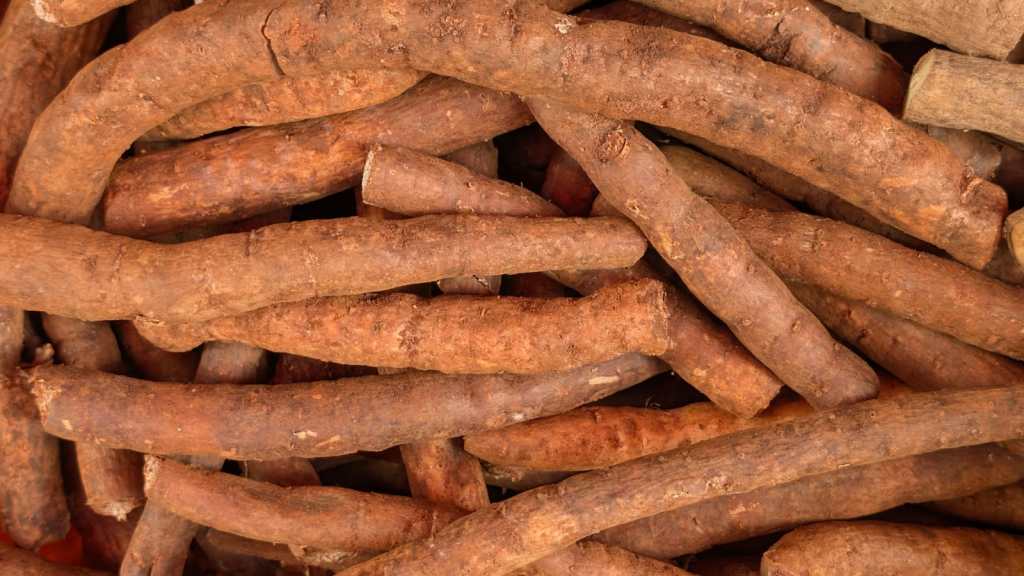
Since it has a similar aroma as Nannari or the Bombay Nannari, it also used the same way as nannari for making drinks.


Cleaned roots and homemade pickle
Courtesy- Supriya
Recipes
Additional Reads
Eleocharis dulcis/Chinese Water chestnut

Family: Cyperaceae (Sedge family) Synonyms: Scirpus spiralis, Carex tuberosa, Andropogon dulcis
Common names from flowersofindia.net: Chinese Water Chestnut, Lake sedge rice • Manipuri: ꯀꯛꯊꯨꯝ Kakthum, ꯢꯁꯤꯡ ꯀꯥꯑꯣꯊꯨꯝ Ising kaothum • Nepali: कसुर Kasur
Etymology:
Eleocharis: From Greek – helos (ἕλος) = “marsh” or “swamp” and charis (χάρις) = “grace” or “beauty”. So, Eleocharis means “graceful plant of the marsh”, referring to its elegant appearance and wetland habitat.
dulcis: Latin for “sweet”, referring to the sweet-tasting edible corms of the plant.
Commonly known as the Chinese water chestnut, it is not a nut but an aquatic vegetable, widely cultivated in Asia for its crisp, juicy, sweet corms, often used in stir-fries, desserts, and snacks. While less common in India, it may be locally grown or imported.
Additional reads
Drynaria quercifolia

Family: Polypodiaceae (Oleander family)
Common names: oak-leaf fern, Oak Leaf Basket Fern • Marathi: बाशिंग Bashing, अश्वकत्री Ashwakatri• Tamil: Mudavattukaal kizhangu, aattukaal kizhangu
Etymology:
Drynaria: From the Greek words “drymos” meaning “oak forest” or “wooded area”. Possibly related to dryas = “tree nymph”, used poetically in botany. The name may also be based on the plant’s woody or forest-dwelling habit. Alternatively, some interpret it as referencing the dry nature of the fronds when mature or during dormancy.
quercifolia: From 2 Latin words ‘Quercus‘ and ‘folia‘ meaning ‘oak‘ and ‘leaves‘ So quercifolia means “oak-leaved”, referring to the shape of the fern’s fertile fronds, which resemble oak leaves.
A type of epiphytic fern tuber mainly found in the Tamil Nadu hill regions. Though it is seen in Kerala also, I have hardly seen people consuming it. The kizhangu is known for its use in traditional medicine, particularly for joint and bone health and is mostly consumed as soups. The root looks like a goat’s foot, with thin fibers resembling fur, hence the name Aattukal kizhangu. This is used more like medicine than a dish, so please be mindful during consumption.


Recipes
Additional Information
- More about kilangu in Kannada
Flemingia vestita/Sohphlang
Family: Fabaceae
Etymology:
Flemingia: Named in honor of John Fleming, a Scottish physician and botanist who worked extensively in India during the 18th–19th century. This is a commemorative botanical genus name, a common practice in taxonomy.
vestita: From Latin vestitus, meaning “clothed” or “covered”. In botanical usage, vestita often refers to plants covered with fine hairs, or having a velvety or woolly texture, especially on stems, leaves, or pods.
Sohphalng – Soh means fruit and phlang means grass. A mild sweet, nut-like flavor and is typically eaten with salt/chilly or with a chutney made out of perilla seeds. It is an endemic species of Himalaya especially in Khasi and Jayantia hills of Meghalaya. Its a N fixing herb and famous for its tuberous roots. The demand for its root nuts become so high in Meghalaya that people started cultivating it as commercial crop now. Some studies showed that the nuts contain phosphorus and protein. It has been traditionally used as vermifuge by khasis, garos and jayantias. The crop can be grown on a place for only one year, which is a matter of concern in local ecological point of view.
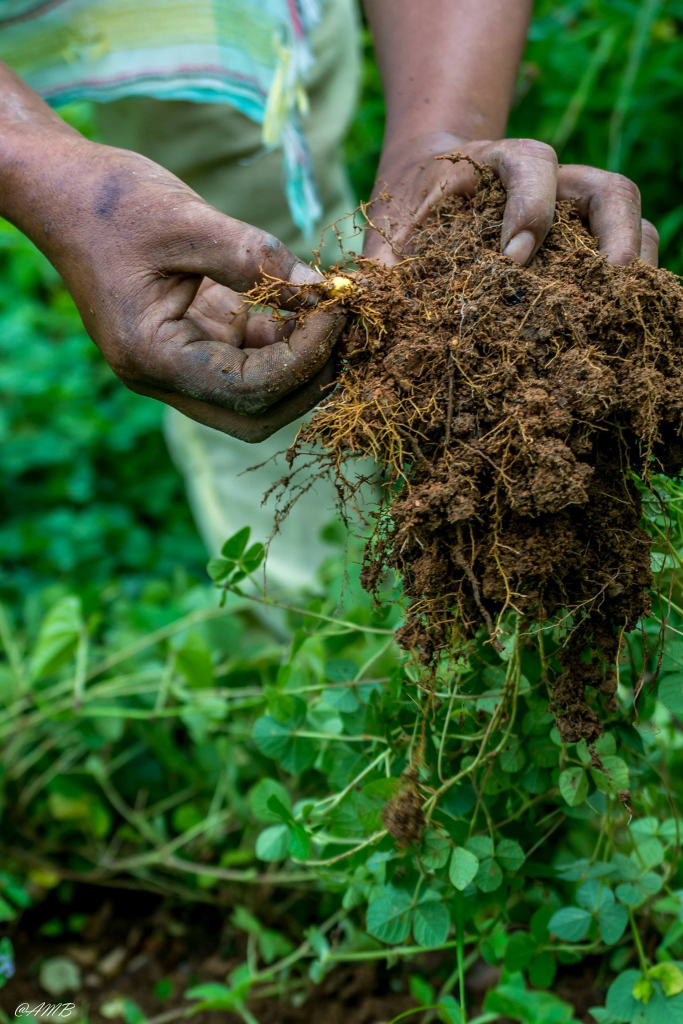

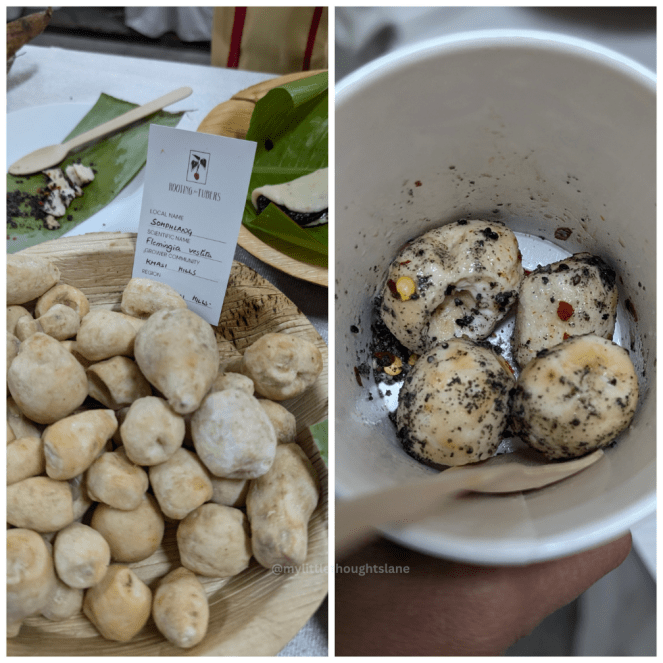
Clicked at Rooting for tubers festival
Traditionally, sohphlang is known for its curative action against worm infections as it has genistein, a main compound responsible for anthelmintic properties. Sohphlang flour has been reported to be rich in nutritional value (especially dietary fibre) and antioxidant properties, while sohphlang starch contains good amount of resistant starch.
The tubers are eaten with Nei-lieh (ground Perilla seeds) by the locals or with some salt and chilli powder keeping you warm in the winter weather.
Recipes
Read more
Hemidesmus indicus/Indian Sarasaparilla
Family: Apocynaceae (Oleander family)
Common names from flowersofindia.net: Indian Sarsaparilla • Hindi: अनंतमूल Anantamul, दूधली Dudhli • Manipuri: ꯑꯅꯟꯇꯥꯃꯨꯜ Anantamul • Marathi: अनंतवेल Anant vel • Tamil: Nannari, Sugandipala • Malayalam: Narunenti • Telugu: Suganda pala • Kannada:ಸುಗಂಧ ಹಾಲಿನ ಗಿಡ Sugandha haalina gida, ಸೊಗದೆ Sogade,ನನ್ನಾರಿ Nannaari ಸುಗಂಧಿ Sugandhi, ಅನಂತಮೂಲ Anantamula • Oriya: onotomulo • Gujarati: Sariva, Upalasari • Sanskrit: अनंतमूल Anantamul, Sariva
Etymology:
Hemidesmus: From the Greek words “hemi” and “desmos” meaning ‘half‘ and ‘bond‘ or ‘chain” respectively. Refers to the plant’s twining or semi-climbing habit, or possibly the way its parts are loosely bound or jointed. It’s a bit obscure, but many botanical names use “hemi-” to refer to partial or reduced features.
indicus: Latin for ‘of India‘ Indicates the plant’s Indian origin or nativity.
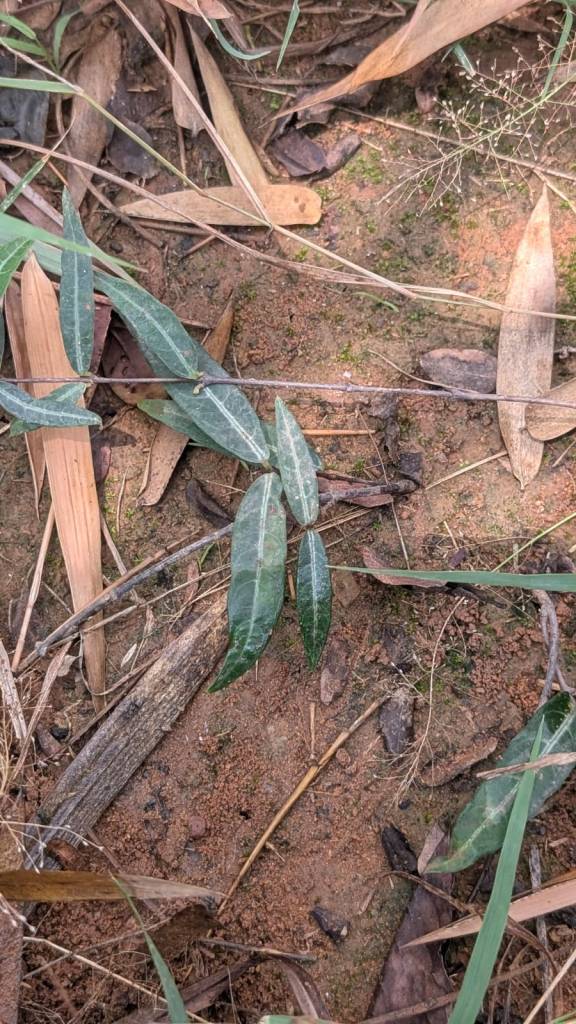
While this is the real nannari which is used to make drinks/syrups etc, the market is selling the endangered Swallow root(Decalepis hamiltonii Wight & Arn./Mahali/Magali kizhangu) which is far thicker!
I remember this drink from my childhood, as during my bus travels along with my parents, when we have to change the buses in major bus stands, occasionally we used to drench our thirst with nannari lime(നറുനീണ്ടി സർബത്ത്) juice in those small juice shops around. Ah the taste, the aroma and how it quenches the thirst providing a coolness to the body! Memories!!!


Recipes
- Nannari syrup
- Jigarthanda – The famous cool drink from Madurai
- Paal Sarbath
- Khobarvel tea – Down to Earth article. The root actually used here Swallow root and not real Nannari.
Helianthus tuberous/Jerusalem artichoke
Family: Asteraceae (Sunflower family) Synonyms: Helianthus tomentosus, Helianthus pubescens
Common names from flowersofindia.net: Jerusalem Artichoke, Sunchoke
Etymology:
Helianthus: From the Greek words “helios” and “anthos” meaning ‘sun‘ and ‘flower‘ respectively. Meaning “sunflower”, named for its bright, sun-like blooms and the way some species turn to face the sun (heliotropism).
tuberous: Latin ‘tuberous‘ means “full of tubers” or “tuber-bearing”.
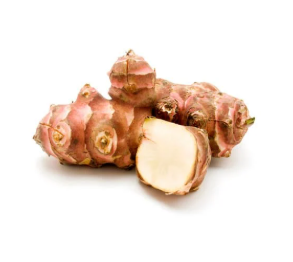
Though native to North America, it’s grown in parts of India too. The crisp, sweet tubers are edible raw or cooked and are rich in inulin, a type of dietary fiber beneficial for gut health and diabetics.
Nelumbo nucifera/ Lotus
Family: Nelumbonaceae (Lotus family) Synonyms: Nelumbium speciosum
Common names from flowersofindia.net: Lotus, Sacred lotus, East Indian Lotus • Hindi: कमल Kamal, Pundarika, पद्म Padma • Manipuri: থম্বাল Thambal • Mizo: Tui-lili • Marathi: Pandkanda, कमळ Kamal • Tamil: செந்தாமரை chenthaamarai, Tamarai, அம்பல் Ambal • Malayalam: Tamara • Telugu: Tamara, Erra-tamara • Kannada: ತಾವರೆ Taavare Tavare-gadde, ಕಮಲ Kamala Kamalada Hoovu, ಆಬಲ್, ಆಬಲು Aabal • Kashmiri: ﭘﻤﭙﻮﺵ Pamposh • Bengali: কমল Komol, পদ্মা Padma • Oriya: ପଦମ Padam • Assamese: Padam • Gujarati: Motunkamal • Sanskrit: सरसिज Sarsija, Pankeruha , शारदा Sharada, अम्बुज Ambuj • Urdu: نیلوفر Nilufer
Etymology:
Nelumbo: From Sinhalese (Sri Lankan language) nelum, meaning “lotus.” Adopted into botanical Latin to name the genus of the true lotus plants.
nucifera: Coming from Latin words ‘nux‘ means ‘nut‘ and ‘ferre‘ meaning ‘to bear‘ or ‘to carry‘. So, nucifera means “nut-bearing”, referring to the plant’s large, edible seeds, often called “lotus nuts.”
The edible part of lotus covered in this series would be its rhizomes which are also called as lotus stems/roots/kamal kakdi. The first time I found these were in the stalls near the Guruvayur temple, Kerala. They were selling the sliced and dried version as ‘Thaamara Valayam’ which can be oil fried and had like fryums. This used to be one of the reasons to visit the temple then onwards as I couldn’t get it near my home. If you are in Bangalore, try the near by Mangalore stores for this as I have found them in 2-3 stores. Also if you are looking for fresh stems, please check big supermarkets or Lulu hypermarket.
The next version I had was in a restaurant where it is being sold as ‘Crispy Chilli Honey lotus’, freshly sliced stems fried in some batter, served with honey and other sauces. My little one loves this.
Recipes
- Sabji
- Kurkuri Kamal kakdi/Crispy lotus stems
- Kakdi chaat
- Crispy garlic chilli lotus root
- Stir fry
- Honey chilli lotus stem
- Sindhi style lotus and potato curry
- Bhishikanda with mahua flowers
Pachyrhizus erosus/Jicama
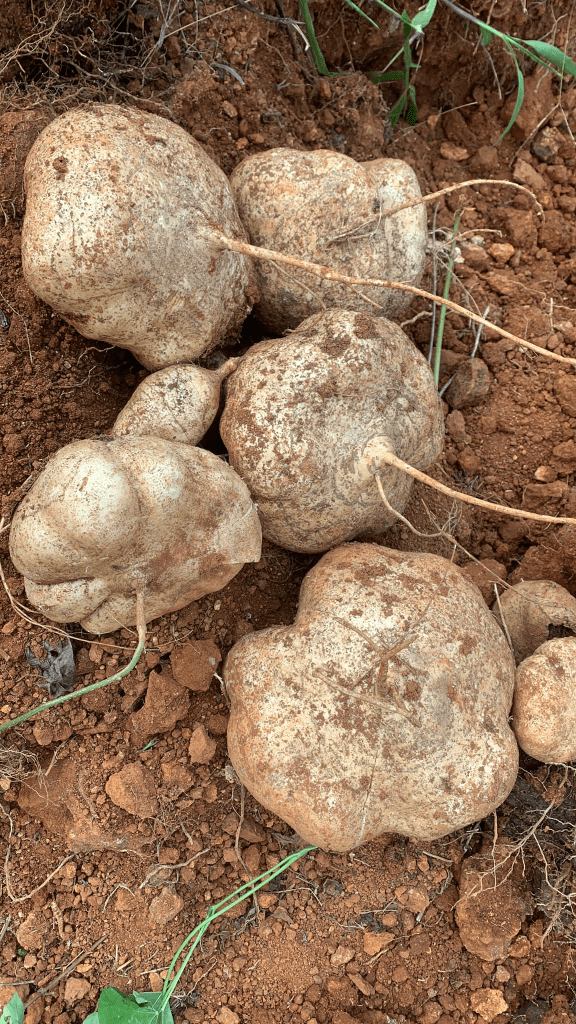
Family: Fabaceae/Leguminosae (legume/pea/bean family)
Common names: Jícama, Mexican Yam, Mexican Turnip, Yam Bean • Bengali: শাঁকালু Shankh-alu, Sarbati aloo • Hindi: मिश्रीकंद Mishrikand • Telugu: Kandha
Etymology:
Pachyrhizus: Comes from Greek, ‘pachys‘ means thick and ‘rhiza‘ means root. Together, Pachyrhizus means “thick root”, referring to the plant’s large, swollen, edible tuberous roots.
erosus: From Latin erosus, meaning “gnawed”, “eaten away”, or “irregularly notched”. This often refers to a plant part (like leaves or petals) having irregular or jagged edges

Its crisp, juicy, mildly sweet tuber is eaten raw or cooked, popular as a salad vegetable. The seeds and leaves are toxic and not eaten. The tubers are eaten during fasting in India. This is generally cultivated in Orissa, Bihar and West Bengal. In Mexico, street vendors cut them up and sprinkle salt, red pepper powder and lime juice and sell them as healthy snacks.
I got to munch on the fresh tubers first time on the Rooting for tubers festival happened in Bangalore last December. The tribe people who shared their wisdom on this – They used to dig and eat them when hunger hits during their farming activities. It quenches taste as well as their hunger.
It is a a native Mesoamerican vine. Pachyrhizus tuberosus and Pachyrhizus ahipa are the other two cultivated species in the genus. The naming of this group of edible plants can sometimes be confusing, with much overlap of similar or the same common names. Several species of Pachyrhizus are known as jícama, but the one found in many markets is P. erosus. The two cultivated forms of P. erosus are jícama de agua and jícama de leche, both named for the consistency of their juice. ~ Source – Wiki
I was wondering how this tuber reached our India. This article from TOI helped me understand that part.
Recipes
Additional Reads
- Down to Earth article and a recipe of chaat and fries
Trapa natans/Water Chestnut
Family: Lythraceae (Crape Myrtle family) Synonyms: Trapa bicornis var. quadrispinosa, Trapa assamica, Trapa quadrispinosa
Common names from flowersofindia.net: Water Chestnut • Bengali: সিংড়া Singda • Hindi: सिंघाडा Singhara, पानीफल Paniphal • Kannada: Mullu kombu beeja, Mullukombu beeja • Manipuri: ꯍꯩꯀꯛ Heikak • Nepali: सिंगाडा Singara • Tamil: Pannimonthan Kizhangu • Telugu: Kubyakam, Pandi gadda • Urdu: Singhara ﺳﻨﮕﮭﺎﺭﺍ
Etymology:
Trapa: Possibly from Latin calcitrappa or trapa, meaning “thistle” or “caltrop” — an ancient spiked weapon. Refers to the hard, spiny fruit of the plant that resembles a caltrop or water chestnut with horn-like projections.
natans: Coming from Latin which means floating. Describes the plant’s floating leaves, which rest on the surface of water.
It is commonly known as water chestnut or water caltrop, is an aquatic plant that produces a distinctive, edible fruit(nut) which can be eaten raw, boiled, or dried and ground into flour(Singhara atta). The flour is commonly used during religious fasting (vrat) in Hindu tradition.
A few months back when I saw this vegetable in the Jayanagar market(Bangalore) I was totally surprised as I never expected to find this in this part of India. I got it a few times after that, and we just munched it as salad or as it is – raw!. Next time, we decided to try the curries/sabjis for a change. While you can have them raw as in salads/just like that or boiled/cooked in sabjis/curies/chaats, or as gluten-free flour to make pooris, halwa, pancakes, paratha, roti etc.
- Water chestnut Bhaji/Sabji
- Sabji/Stir fry
- Roti
- Parantha
- Cutlet
- Halwa
- Cheela
- Poori
- Kadhi
- Pakori
- Cookies
- Dosa
- Singhare Puri
Bunium persicum(Kashmir chestnut like flavor),
Sechium edule/Chow Chow
You might have heard chow chow/squash/Chayote/Choko vegetable, but have heard about the tuber/root part of it is edible? We do consume the tendrils, tender leaves as well as the vegetable, the people in Sikkim/Nepal do consume the tuberous root also.
More tubers
Many tubers from Arum(elephant foot yam family) family are edible but since they are not so popular across India I thought of mentioning the names alone – Arisaema wallichianum, Arisaema tortuosum, Arisaema jacquemontii, etc are used in Himalayan regions. There are many more tubers which are consumed raw, dried, cooked and powdered form across India but since they are not so familiar for me, I dont want to list them here.
If you are consuming any locally grown tubers/rooty veggies which I have missed, please do share with me.
 MY LITTLE THOUGHTS LANE
Leave a comment