Category: Edible plants
-

Betel Leaf
As I start on the leafy tales of betel, I find myself scribbling about a plant that seemed as mundane as a garden plant. I had no idea that the vines of betel leaves in both my ancestral and current homes would unfold into a lush narrative of traditions, memories, and unexpected revelations. Memories of…
Written by
·
-
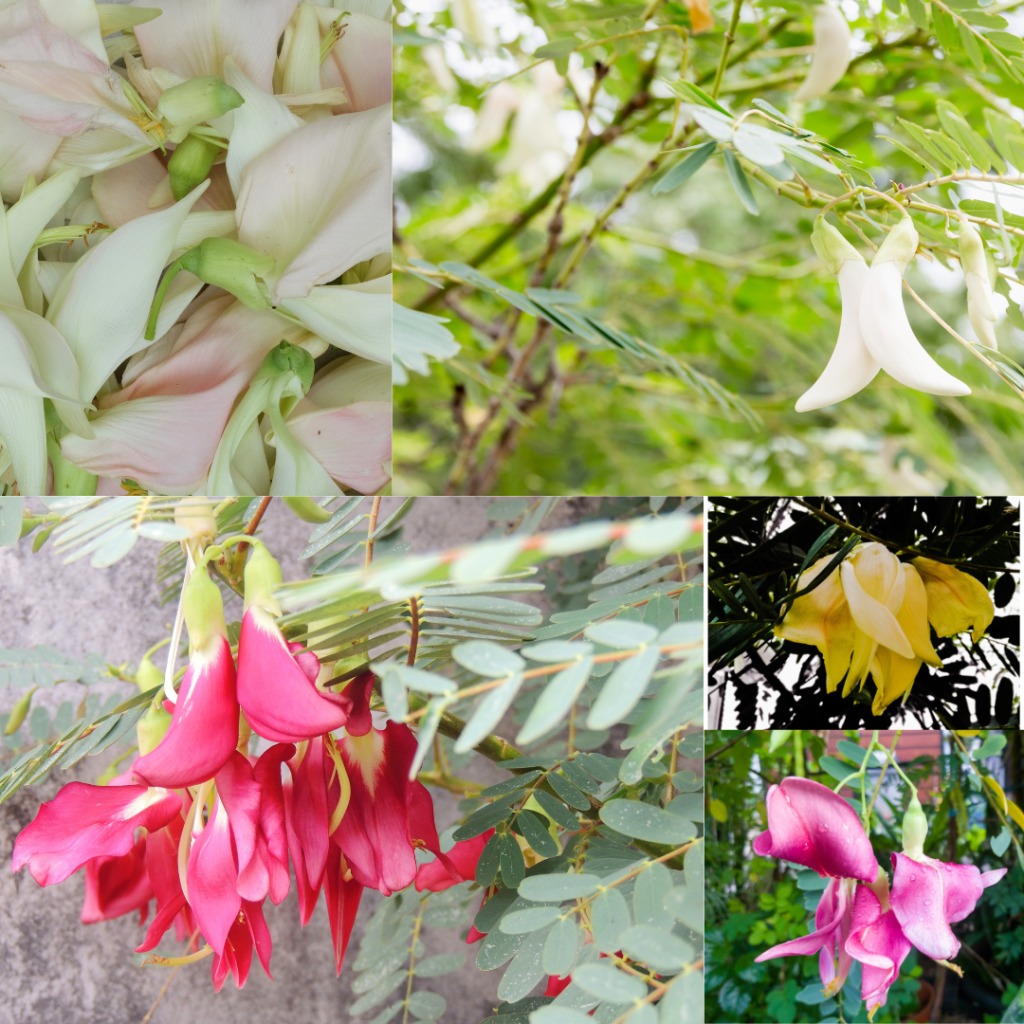
Sesbania grandiflora – Agathi cheera
Agathi is one of the 9 plants used for Navrathri (Nabopatrika: Nine plants representing the Mother Earth,a ritual perhaps predated the Durga puja). Jayanti plant(Agathi) represents Goddess Kartiki. Folklore says that this plant is one of the favorites of Muni Agastya and hence the name Agasti. The flower looks like a humming bird, hence the…
Written by
·
-
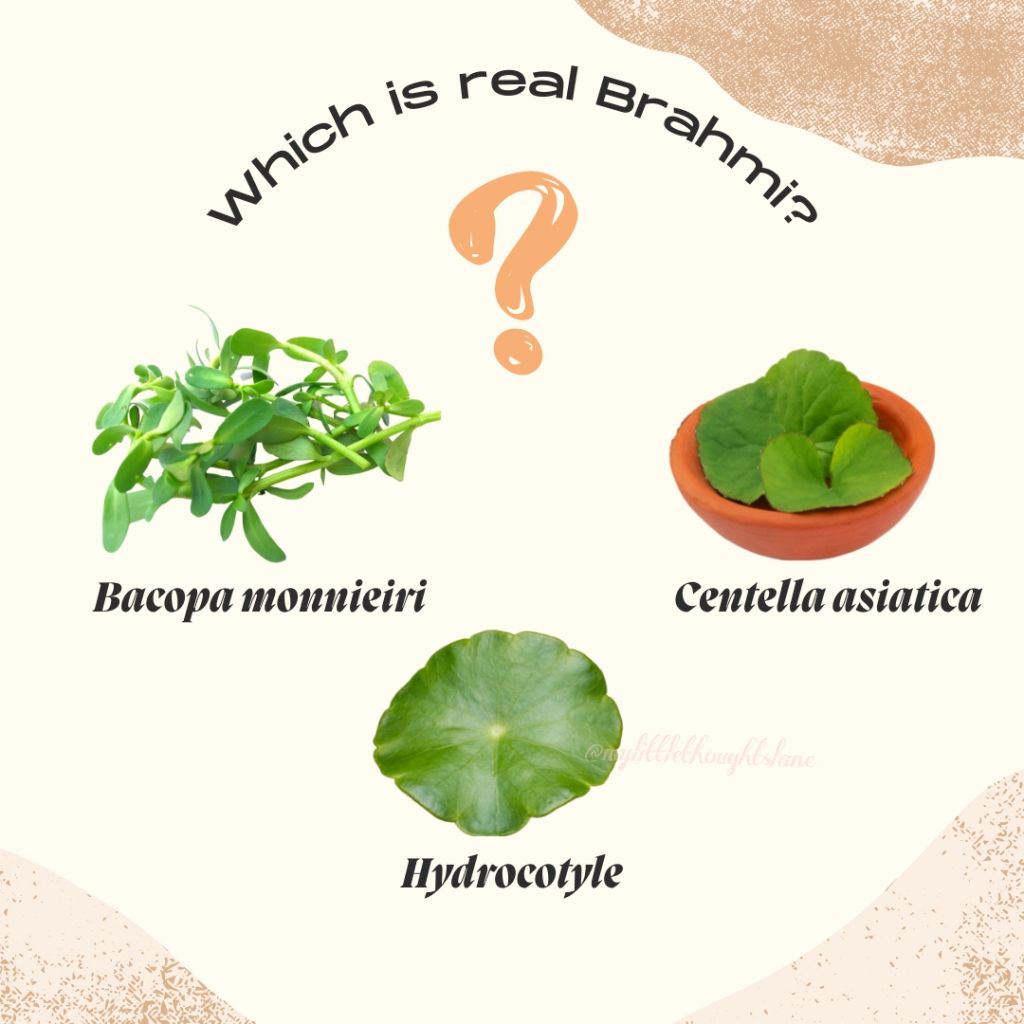
Which is the real Brahmi?
The debate over which plant is the true Brahmi centers on Centella asiatica, Bacopa monnieri, and Hydrocotyle varieties, each with distinct properties and usages in Ayurveda. In Kerala, Bacopa is primarily called Brahmi, while Centella is referred to in other regions. Understanding these differences is crucial for proper identification and use.
Written by
·
-
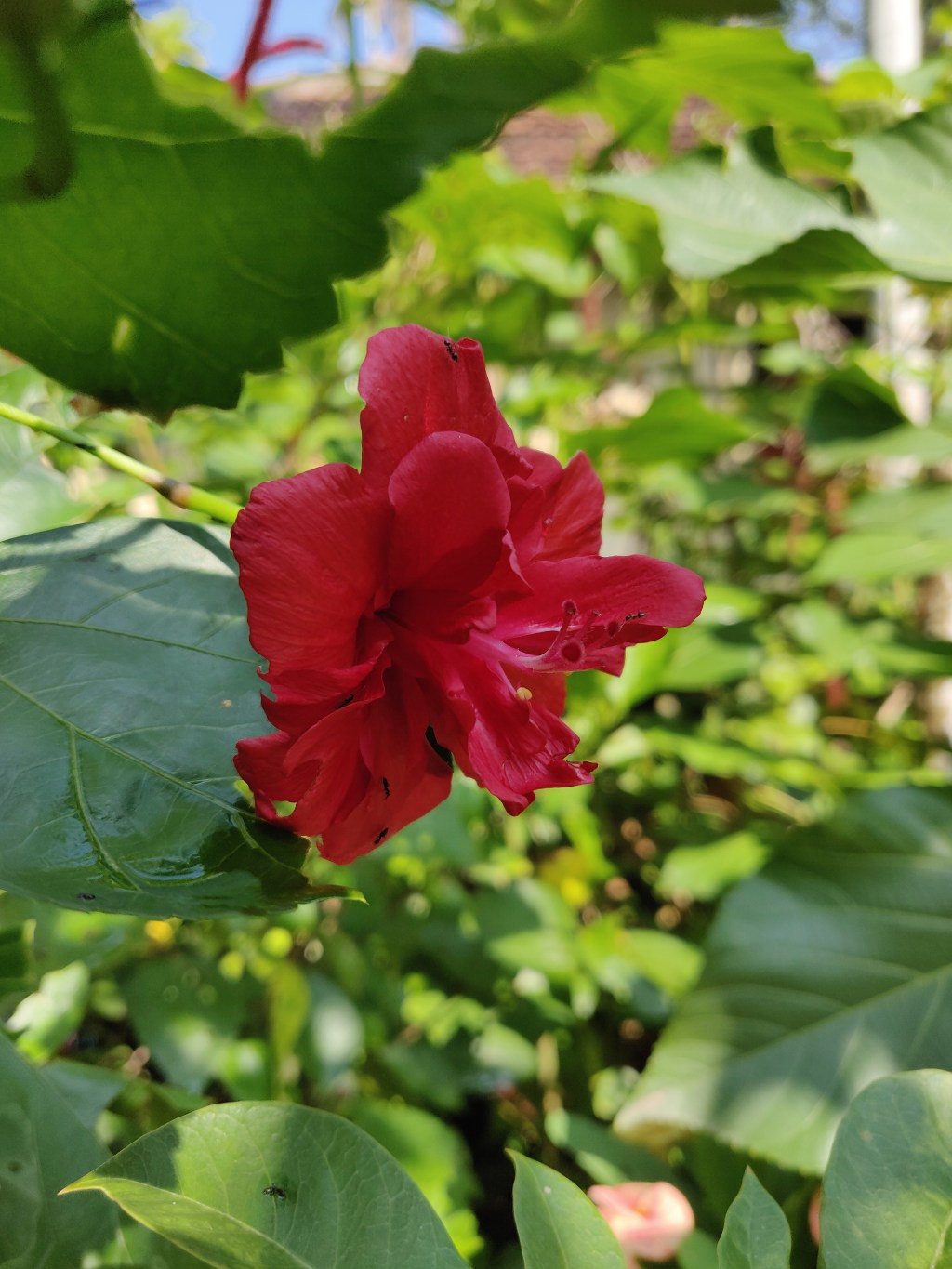
Hibiscus Flower Stir Fry Recipe
In my previous posts, I have mentioned about my Amma making some unique dishes. So thought of sharing one of them today. She calls it Chembarathi upperi, and I named as hibiscus stir fry. The entire cooking process was recorded and my kid wanted it to be in youtube and the link here 😏. The…
Written by
·
-

Cnidoscolus aconitifolius- Chayamansa/Mayan Spinach
Botanical Name: Cnidoscolus aconitifolius Family: Euphorbiaceae (Castor family)Common name from Flowersofindia: Tree Spinach, Tread Softly, Cabbage Star, ChayaEtymology: Cnidoscolus : This genus name is derived from two Greek words: “knidos” meaning “nettle” and “skolos” meaning “thorn.” This is indicative of the plant’s characteristic of having stinging or prickly hairs on its leaves or stems.aconitifolius: This specific epithet…
Written by
·
-
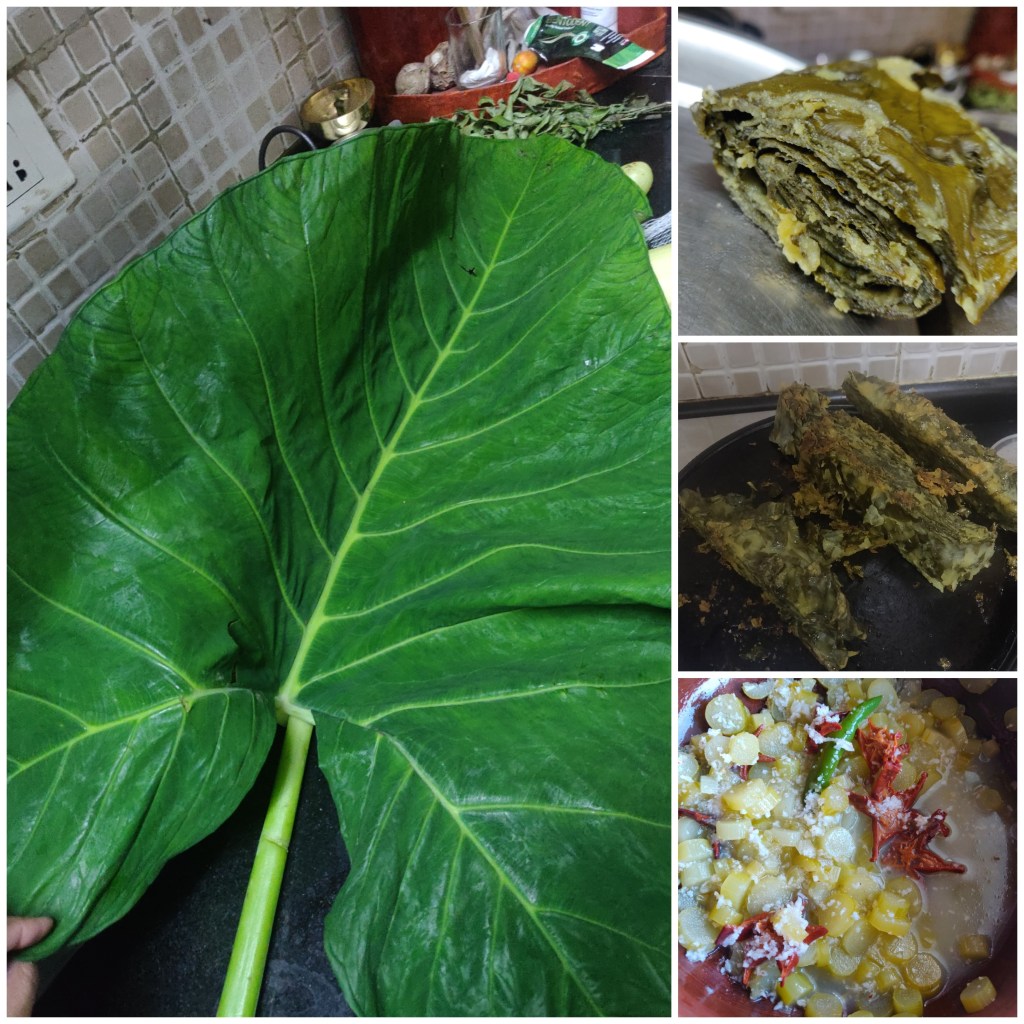
Taro leaves
Finally, I cooked ‘pathrodo’ all by myself for first time after years of hesitance, lazyness, scaredness & all those kinds of related feelings! When some specific food is tagged to the community we live in, & being a woman, it’s mandatory to know how to cook! Not my words guys. This is from many people…
Written by
·
-

Multi-greens Chutney – Recipe
When I find edible greens around, it would remind my Amma’s food experiments with all the possible ways. Colorful idlies, mixed green/flowers chutneys, rice varieties, payasams, thorans (dry sabji/curry with grated coconut).. The highlight of those foods is we won’t get to know what all are the ingredients which went in 😝 Amma likes to…
Written by
·
-

Sauropus androgynus – Madhura cheera/Multivitamin plant
This versatile leafy green, known by several names in Malayalam, including Madhura cheera, Chekkurmani, Veli cheera, Mysore cheera, Vitamin cheera, Block cheera, and Pressure cheera, Malay Cheera, Japan Cheera, Block cheera, Singapore Cheera, Ela cheera is a nutritional powerhouse. It goes by common names such as Star gooseberry, sweet leaf, Tropical Asparagus, Vitamin plant. This…
Written by
·
-

Leucas aspera – Thumba
Starting the series of edible greens from the list I provided in one of my previous posts. If you missed to see the list, click here. Botanical Name: Leucas aspera Family: Lamiaceae (Mint family)Common names from flowersofindia: Common Leucas • Hindi: छोटा हल्कुसा Chhota halkusa, गॊफा Gophaa • Manipuri: ꯃꯌꯡꯂꯝꯕꯨꯝ Mayanglambum • Marathi: Tamba • Tamil: தும்பை Thumbai • Malayalam: Tumba • Telugu:…
Written by
·
-
Green Delights: The Lesser Known Edible Wild Plants of India(500+ plants)
The significance of wild and foraged edible greens, found in India, is discussed in the content. The nutritional benefits, environmental importance, and cultural heritage of these greens are highlighted. A comprehensive list of uncultivated, underutilized wild edible greens is aimed to be created by the author, with encouragement for mindful harvesting and sharing of knowledge…
Written by
·
-
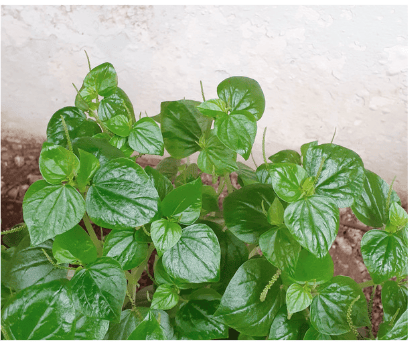
Peperomia pellucida – Shiny Bush
If you are from Kerala, born in 90s or before, you would remember this little plant. We call it ‘Mashi pacha’ or ‘Mashi thandu’, ‘Slate pacha’, ‘കോലുമഷി’ which was used to wipe our slates after scribbling. And to remove the excess ink (Gosh !the Hero fountain pen days) dripped on note books. It was fun…
Written by
·

