Category: Edible plants
-
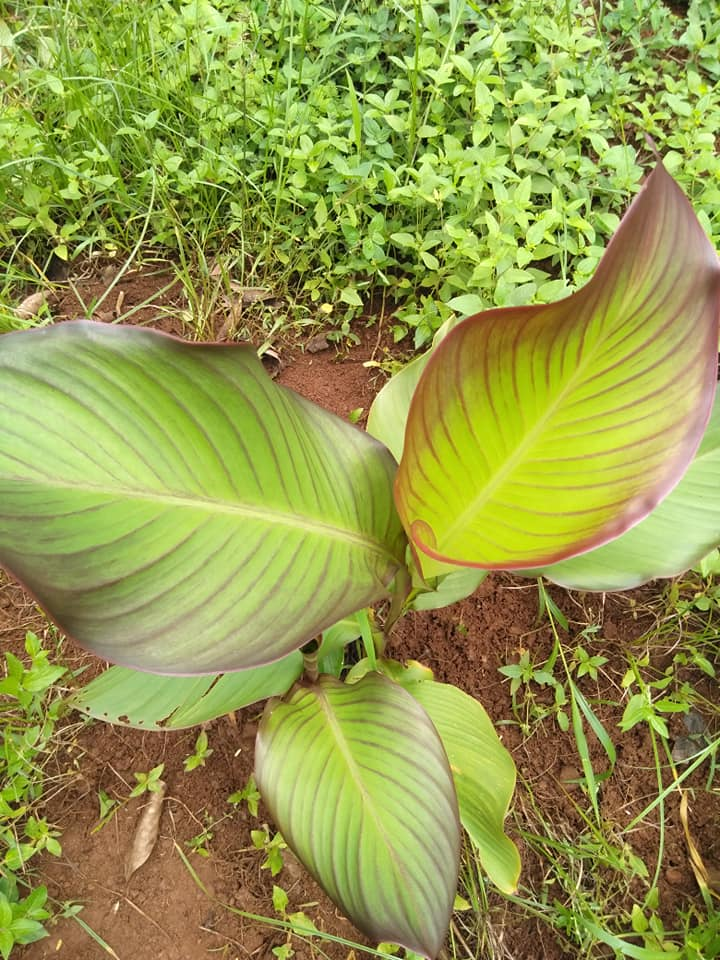
Rooted in Nutrition Series 5: Edible Canna
Edible canna, also known as achira, is a resilient tuber cultivated since ancient times in South and Central America, particularly by the Incas. Its starchy root can withstand poor soils and floods, making it ideal during food scarcity. Interest in this climate-resilient crop is increasing among modern farmers and foragers.
Written by
·
-

Rooted in Nutrition Series 4: Arrowroot
The content discusses the White Arrowroot plant (Maranta arundinacea) and its uses, including its historical medicinal significance in wound healing and its edible starch’s applications in cooking and cosmetics. It also highlights its nutritional benefits and the variety of arrowroot species and their culinary uses, particularly in South Asia.
Written by
·
-

Rooted in Nutrition Series 3: Winged beans
The winged bean is prized as a multi-purpose crop due to its edible pods, flowers, seeds, leaves, and tuberous roots, which are all highly nutritious. Known as a “superfood” in many parts of the world, it plays an important role in promoting food security and sustainable agriculture in tropical and subtropical regions. Its distinctive four-angled pods and…
Written by
·
-

Rooted in Nutrition Series 2: Sweet Potato
After the first tuber of this series – Tapioca, here comes the Sweet Potato! The modest sweet potato has journeyed across continents, sustained civilizations, and even ignited historical discussions. Coming from Central and South America, it was grown more than 5,000 years ago by the ancient civilizations of Peru and Mexico. When Christopher Columbus reached…
Written by
·
-

Rooted in Nutrition Series 1: Cassava
Growing up in Kerala, I’ve been surrounded by the rich abundance of tuber vegetables. From backyard gardens to the local markets, tubers were a staple part of our meals. Yet, when I talk to friends outside Kerala, many assume that cassava (kappa) is the only tuber we have. But the truth is, Kerala offers a…
Written by
·
-

Lost in Translation: The Many Names and Mysteries of Ponnanganni or Honagone
Though the saying goes, “What’s in a name?”, I often find myself saying that names are highly subjective, especially when it comes to plants. Many local/common names overlap between different species, sparking endless confusion. The debate over which is the “real Ponnanganni”(Tamizh) or “Honagone”(Kannada) only gains more momentum and heat in gardening groups, turning a…
Written by
·
-
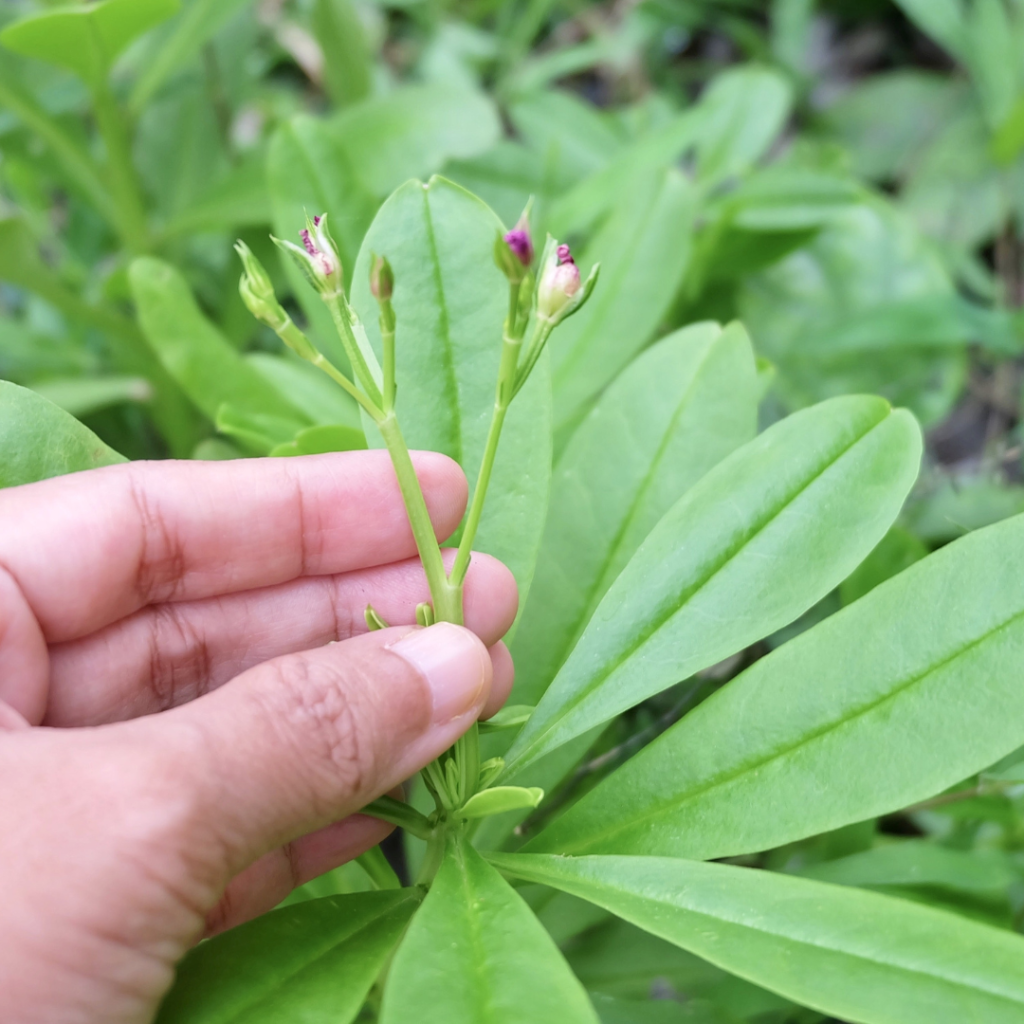
Talinum fruticosum – Ceylon Spinach
This is one of the cheeras (spinach in Malayalam) I remember growing abundantly where I was brought up. Whenever we had enough to make some delicious curries, we’d trim it so it could grow back stronger. I’ve always loved its pretty pink blossoms—they’re such a sweet sight! I also loved popping the seeds. They crack…
Written by
·
-

Coleus amboinicus -Indian Borage
Many people often ask me for a list of must-have plants to grow at home. Without hesitation, I always begin with my favorite, Panikoorka. This plant is at the top of my list not only because of its remarkable medicinal properties, but also because it is an excellent all-arounder for any home. Botanical Name: Coleus…
Written by
·
-
Forage walk and lunch at Anemane Farms
With the blessings of rain God, we had a great day at the farms yesterday. Blessings because it didn’t rain yesterday and it rained enough(or maybe not) to give us some good amount of naturally grown wild greens for the meal. We reached the farm by 10.30 in the morning. I remembered the last visit…
Written by
·
-
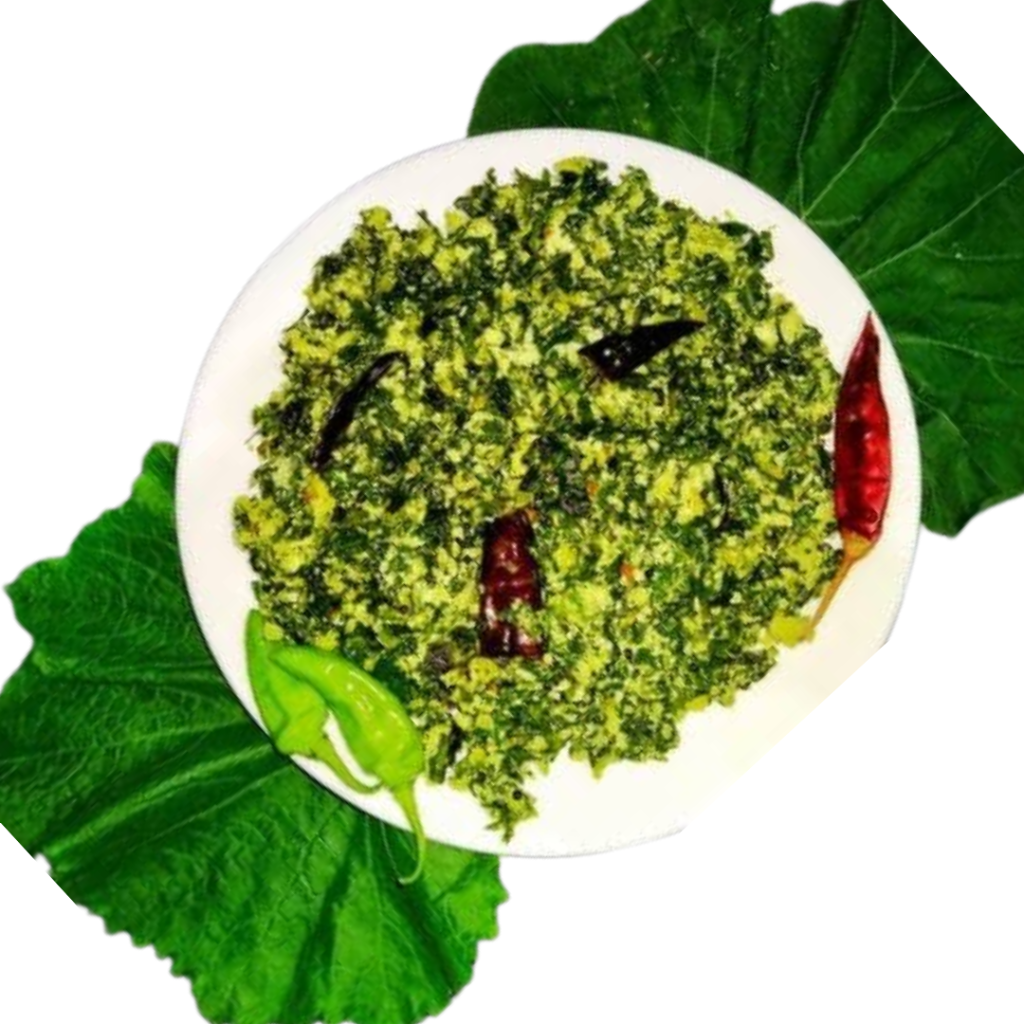
Pathila Thoran: Kerala’s Healing Greens on a Plate for Monsoon Wellness
Karkkidakam, the month of heavy rains and seasonal shifts, brings with it the age-old tradition of Pathila Thoran—a nourishing stir-fry made from ten medicinally rich leaves. These backyard greens, harvested with care, provide a natural boost to immunity and well-being. But gathering them requires mindfulness—correct identification, safe harvesting practices, and proper cleaning ensure both health…
Written by
·
-
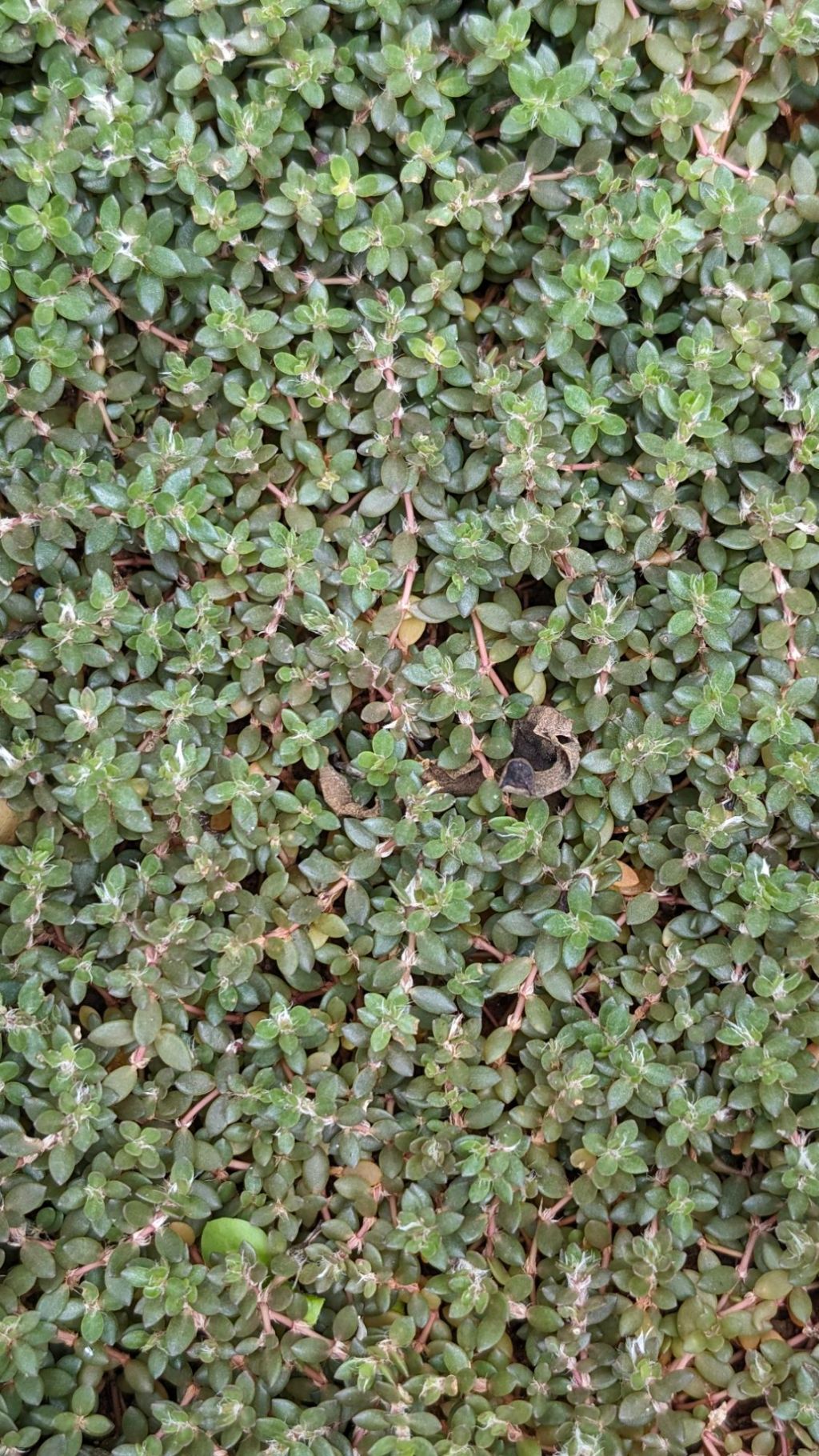
Portulaca quadrifida – Wild Purslane
You may not find this greens/keerai in city or town markets. Or even in villages these days! While I have seen and consumed the Common Purslane, this little one seemed to be a rare find for me. My friends in the Forgotten Greens group used to share this plant from various parts of India but…
Written by
·
-
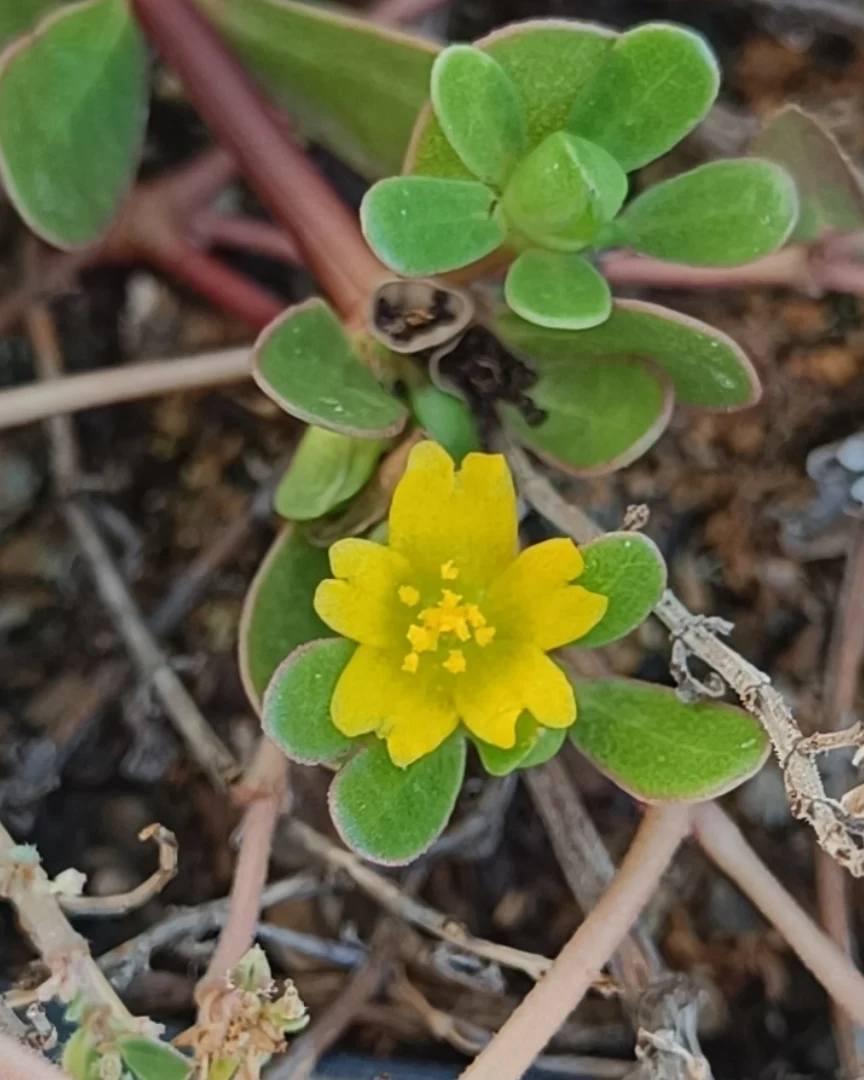
Portulaca oleracea – Common Purslane
Purslane is found worldwide and is often considered a weed. Despite its humble status, it has been valued as a food source in many cultures for centuries. Purslane was used by ancient Greeks and Romans for its medicinal properties and as a food source. It was also known to be used in ancient Egyptian cuisine…
Written by
·

