Category: food
-

Ipomoea aquatica -Water Spinach
Kalmi saag, also known as water spinach, is a versatile green found in various regions and is rich in nutrients. With culinary uses ranging from stir-fries to fritters, it is popular in rainy season recipes. Its low-calorie, nutrient-rich profile makes it beneficial for health, including aiding sleep and treating ailments.
Written by
·
-

Mollugo pentaphylla & Glinus oppositifolius – Carpet Weed
Mollugo pentaphylla and Glinus oppositifolius, both members of the Molluginaceae family, are recognized as edible greens known for their bitterness. Varieties exist in many languages and regions. The author shares personal experiences in finding and cooking dishes like dosa with these greens, highlighting their culinary significance and cultural enjoyment.
Written by
·
-
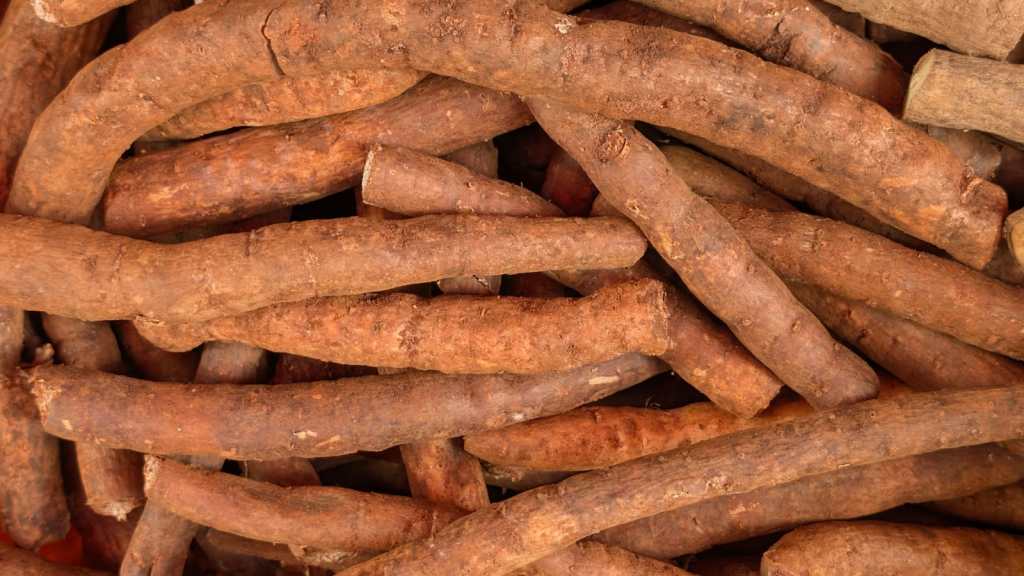
Rooted in Nutrition Series 13 : Lesser Known Tubers
After exploring the 12 different categories of tubers in this series—like Cassava, Sweet potatoes, winged bean tubers, arrowroot, edible canna, Taro and Tannia and Elephant foot yam, Chinese potato, Larger Yam, Lesser Yam, Air potato, the Gingers and Turmerics— I’m excited to share the next in the series! This time, we’ll dive into some of the lesser-known, local…
Written by
·
-

Rooted in Nutrition Series 10: Lesser Yam
You know by now that it can be a bit tricky to distinguish between local varieties and botanical names when it comes to tuber crops. Take Lesser Yam, for instance; it’s all part of the Dioscoreaceae family, with Dioscorea esculenta being the most commonly recognized member. There’s a whole world of local types out there,…
Written by
·
-

Rooted in Nutrition Series 9: Larger Yam
Let’s dive into the world of larger/greater yams! The superstar of the yam family is definitely Dioscorea alata, which you might know as greater yam, larger yam, water yam, purple yam, or ube. But that’s just the tip of the iceberg! Within the Dioscorea genus, we’ve got a whole lineup of economically important species to…
Written by
·
-
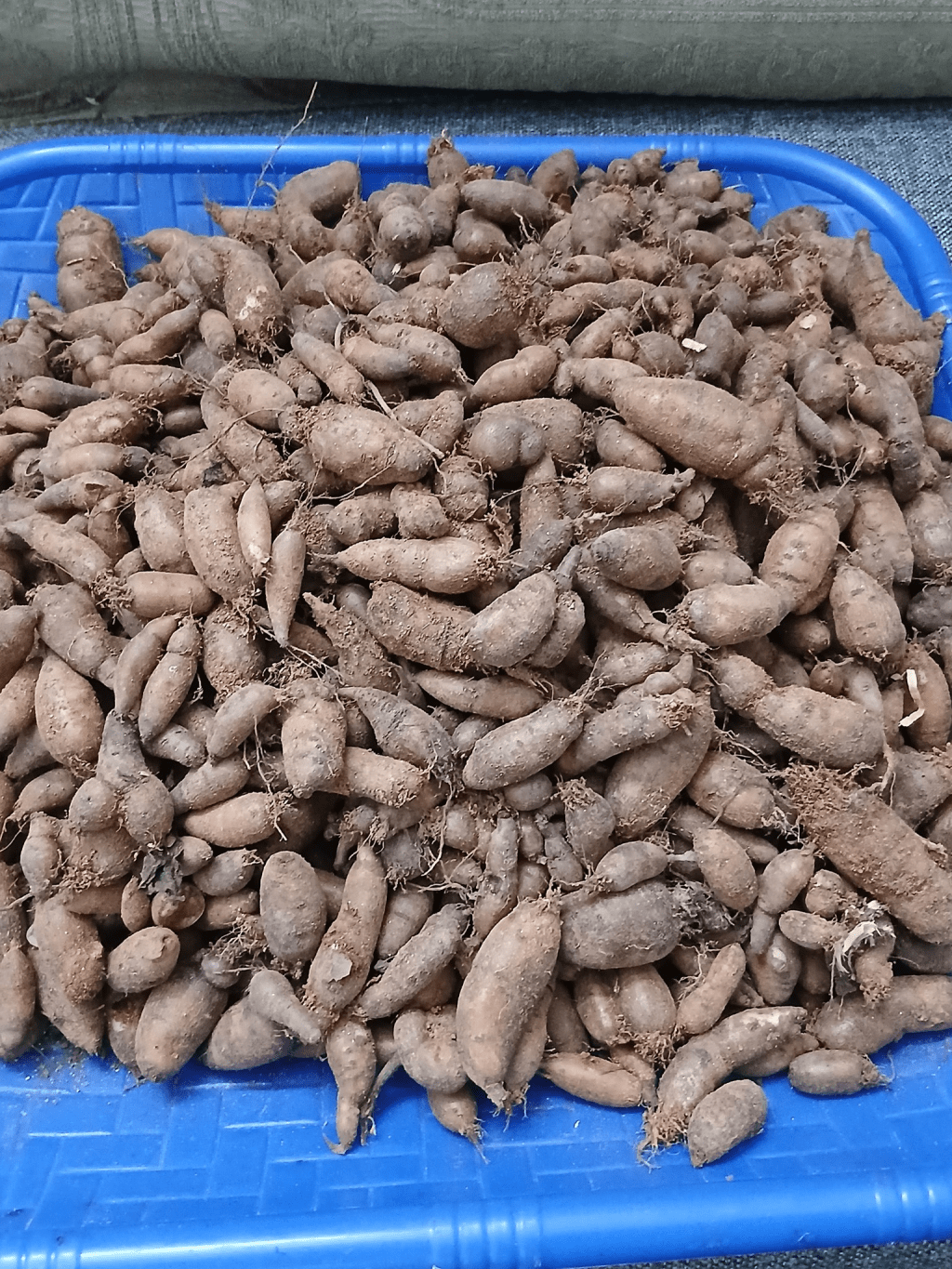
Rooted in Nutrition Series 8: Chinese Potato
I can’t stress enough that koorkka isn’t just a vegetable; it’s a whole vibe for so many of us, including me! It’s funny how people have this love-hate relationship with this little veggie. Some can’t stand it, while others adore it but dread the cleaning. And then there are those who love it so much…
Written by
·
-
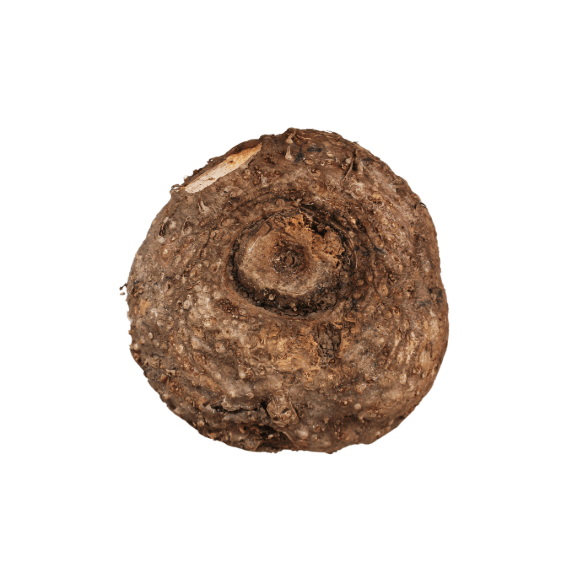
Rooted in Nutrition Series 7: Elephant Foot Yam
This series explores lesser-known tuber crops, starting with tapioca and featuring various yam types. The author recounts a childhood disdain for elephant yam, later developing a craving for it in Bangalore due to its unique taste and aroma, attributed to Kerala’s soil. Cultural dishes using yams highlight their culinary versatility.
Written by
·
-

Rooted in Nutrition Series 6 : Colocasia/Taro & Xanthosoma/Tannia
This series focuses on the complex naming and local varieties of ‘Chemb’ in Malayalam, particularly Colocasia esculenta and Xanthosoma sagittifolium. Highlighting their culinary uses and health benefits, the text underscores their significance in Indian cuisine and culture, especially in Kerala.
Written by
·
-
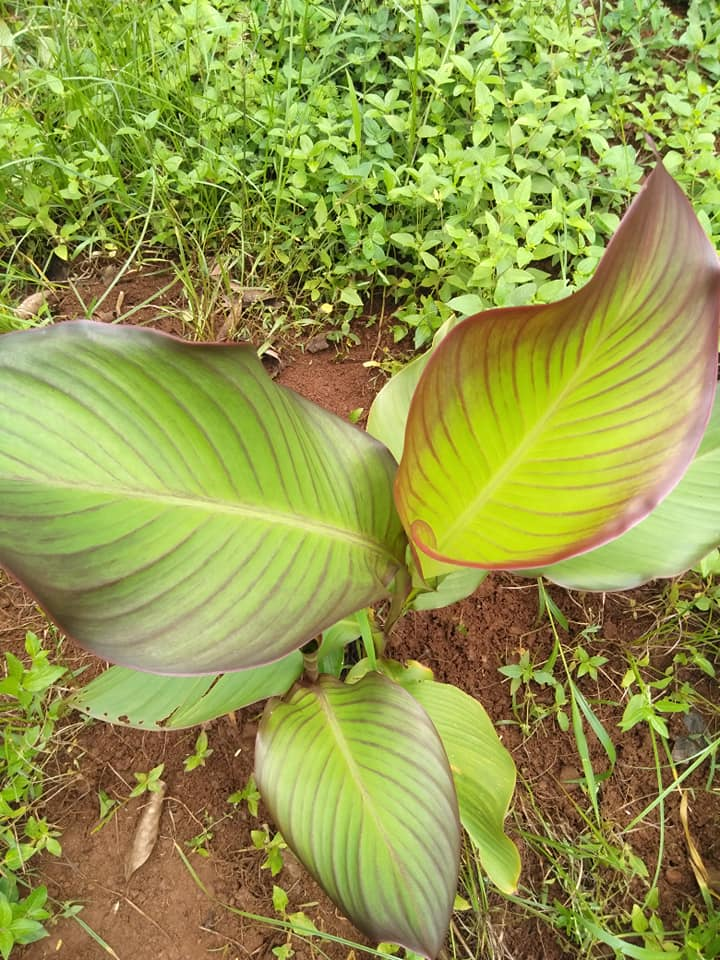
Rooted in Nutrition Series 5: Edible Canna
Edible canna, also known as achira, is a resilient tuber cultivated since ancient times in South and Central America, particularly by the Incas. Its starchy root can withstand poor soils and floods, making it ideal during food scarcity. Interest in this climate-resilient crop is increasing among modern farmers and foragers.
Written by
·
-

Rooted in Nutrition Series 4: Arrowroot
The content discusses the White Arrowroot plant (Maranta arundinacea) and its uses, including its historical medicinal significance in wound healing and its edible starch’s applications in cooking and cosmetics. It also highlights its nutritional benefits and the variety of arrowroot species and their culinary uses, particularly in South Asia.
Written by
·
-

Rooted in Nutrition Series 3: Winged beans
The winged bean is prized as a multi-purpose crop due to its edible pods, flowers, seeds, leaves, and tuberous roots, which are all highly nutritious. Known as a “superfood” in many parts of the world, it plays an important role in promoting food security and sustainable agriculture in tropical and subtropical regions. Its distinctive four-angled pods and…
Written by
·
-

Rooted in Nutrition Series 2: Sweet Potato
After the first tuber of this series – Tapioca, here comes the Sweet Potato! The modest sweet potato has journeyed across continents, sustained civilizations, and even ignited historical discussions. Coming from Central and South America, it was grown more than 5,000 years ago by the ancient civilizations of Peru and Mexico. When Christopher Columbus reached…
Written by
·
 MY LITTLE THOUGHTS LANE