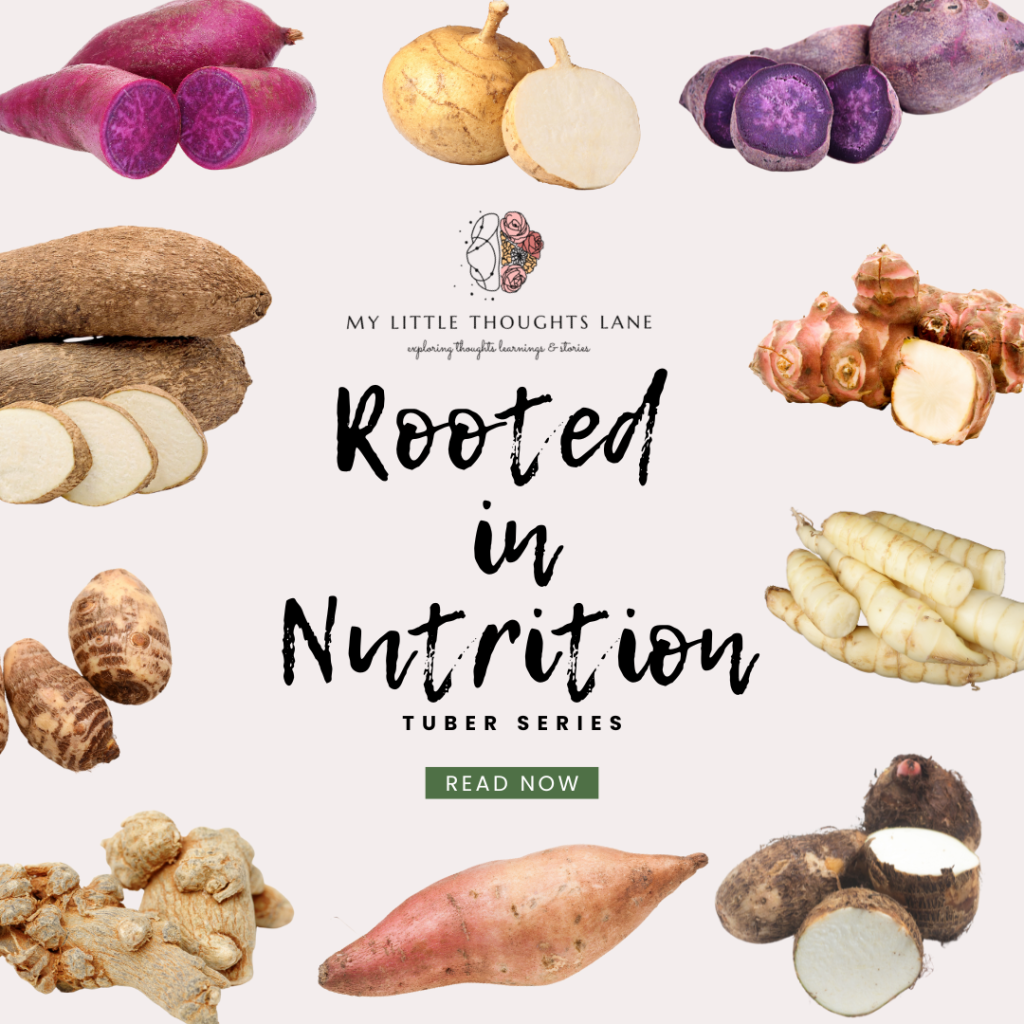
Growing up in Kerala, I’ve been surrounded by the rich abundance of tuber vegetables. From backyard gardens to the local markets, tubers were a staple part of our meals. Yet, when I talk to friends outside Kerala, many assume that cassava (kappa) is the only tuber we have. But the truth is, Kerala offers a diverse range of tubers, roots, and rhizomes, each with its own unique flavor, texture, and cultural significance.
While cassava is the famous & favorite, there are multiple varieties of it alone—yellow cassava, white cassava, waxy ones, and more. And beyond tapioca, we have yams (chena), taro (chembu), Chinese potatoes (koorka), sweet potatoes(madhura kizhangu), and even lesser-known varieties like kaachil(greater yams). nanakizhangu(lesser yams). The flavors and versatility of these earthy wonders are endless, and they hold a special place in our cuisine.
I had to split the posts because each tuber had so many details. So lets start this series! We will cover the following ones –
- Cassava
- Sweet Potato
- Winged beans
- Arrowroot
- Edible Canna
- Taro and tannia
- Elephant yam
- Chinese potato
- Larger Yam
- Lesser Yam
- Air Potato
- Gingers & Turmerics
- Lesser Known tubers
Roots, Tubers, and Rhizomes: What’s the Difference?
For many years, I’ve been following Kripa, whose insightful blog posts never fail to impress me. One of her articles, in particular, does a fantastic job of explaining this difference. When her blog post recently resurfaced in one of the gardening groups on WhatsApp, it reminded me that I could contribute some additional information to complement her work.
Tuber crops effectively transform solar energy into carbohydrates, earning them the name “natural energy reservoirs.”. They also adapt to the current agro-climatic conditions and can withstand drought and flooding.
Cassava

Cassava was introduced to India in the 17th or 18th century, likely brought by Portuguese traders from their colonies in South America or Africa. Its arrival in India coincided with the Portuguese influence along the western and southern coasts, particularly in Goa and Kerala. Its introduction to India had a transformative impact on food security, particularly for marginalized communities.. Over time, cassava spread further inland, becoming a staple crop in regions with marginal soils and limited water resources.
Botanical name: Manihot esculenta
Synonyms: Jatropha manihot, Jatropha dulcis
Common name from flowerofindia.net: Tapioca, Cassava, manioc, mandioca, brazil arrowroot, para arrowroot, rio arrowroot, yuca • Hindi: शकरकंद Shakarkand • Manipuri: ঊমঙৰা Umangra • Marathi: prochugaali chine, pavde-pharin • Tamil: Maravallikkilanku, Allvalli kizhangu • Malayalam: Kollikkilannu, Maraccini, Marakkilannu • Telugu: Karrapendalamu • Kannada: ಕಣಗಲ Kanagala, ಮರಗೆಣಸು mara genasu, ಬಱಗಾಲದಗೆಡ್ಡೆ baragaalada gedde • Oriya: Kaato konda • Mizo: Pangbal • Sanskrit: तरुकंदः Tarukandah, कल्पकंदः Kalpakandah • Tangkhul: Thingpai • Angami: Seirophei
Family: Euphorbiaceae (Castor family)
From my notes: Native to South America, particularly the Amazon basin. It has been domesticated and cultivated by indigenous peoples for over 8,000 years. The name ‘kappa’ could have derived from the word ‘kappal’ which means ship in Malayalam. The belief that it was brought to Kerala through the ships.
Etymology:
Manihot: Derived from the indigenous South American Tupi-Guarani word mani’oka or mani’okaï, which refers to cassava or tapioca. The name honors the plant’s origins in the Americas, where it has been cultivated for thousands of years as a staple food crop.
esculenta: The Latin word esculentus, meaning “edible” or “fit for consumption,” highlighting the plant’s value as a primary source of food.
In addition to its role as a food crop, cassava gained prominence in India for its industrial applications. The starchy roots are processed into:
- Tapioca pearls (sabudana): Widely used in Indian cuisine, especially during fasting periods. While the International version is boba pearls.
- Starch and Flour: Utilized in the food, textile, and paper industries.
- Animal Feed: The residual byproducts from cassava processing are often used as livestock feed.
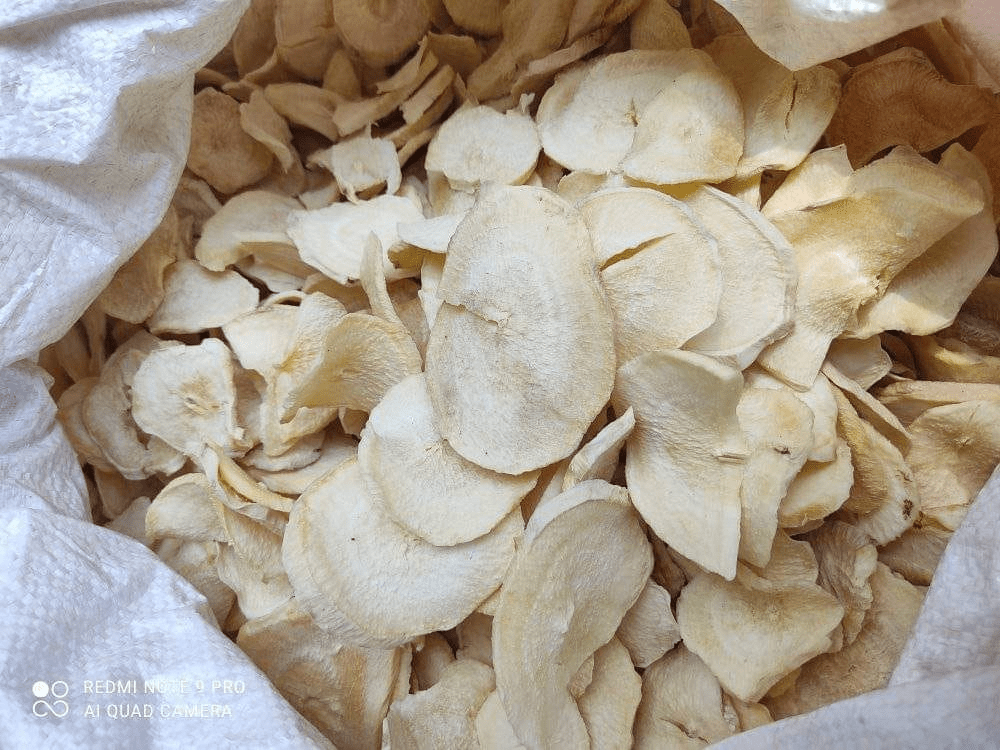
- Cassava products like chips(fried in oil), dehydrated kappa/വാട്ടുകപ്പ(sun dried), cassava flour for making dishes like puttu. The dishes like kappa and meen curry (cassava with fish curry), kappa -chammanthi are very popular among Keralites.
While Cassava is the name of the whole plant the flour made out of the roots is called tapioca.
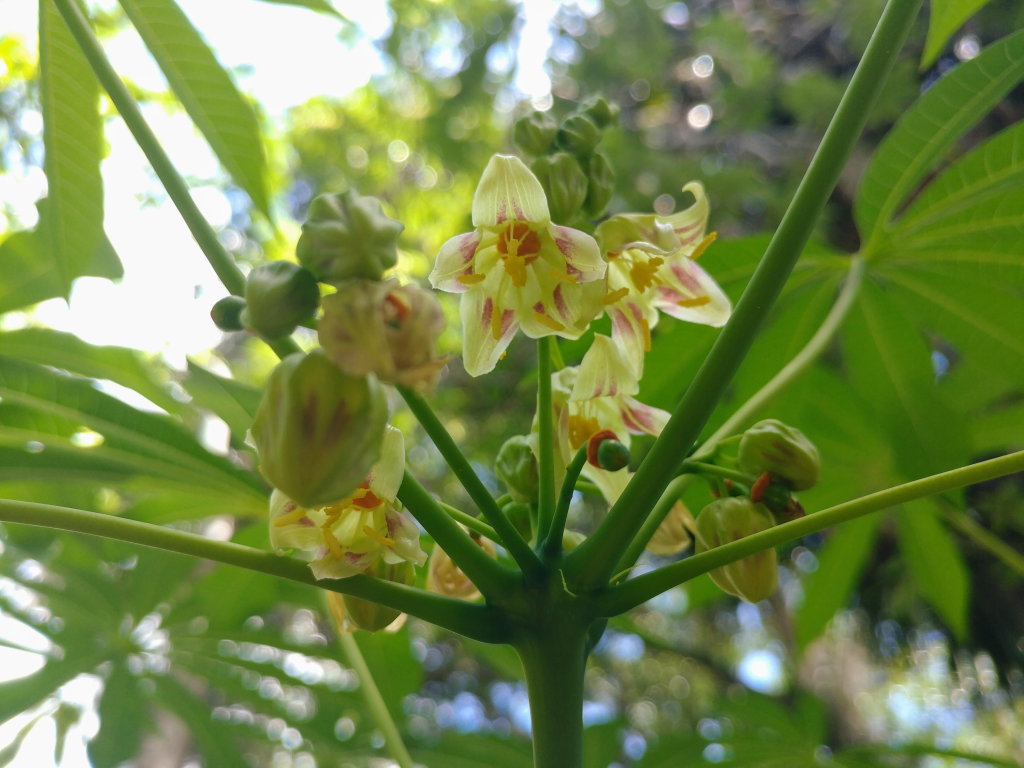
The young leaves are also edible which are rich in protein are commonly cooked and eaten in many traditional cuisines especially in International countries. The leaves have to be pre-processed before consuming them in order to remove the natural cyanide in it. Africans eat them fresh(post processing ) or in dried form. Unfortunately, I haven’t seen any Keralites doing so.
Cassava is primarily composed of carbohydrates, making it a rich source of energy. Tapioca contains Potassium and Vit C also small amounts of iron, calcium, magnesium, and Vitamin B-complex. Although low in protein and fiber, it is gluten-free, making it a suitable option for those with gluten intolerance. It has High GI (~72-90) and it breaks down into glucose fast, which may cause blood sugar spikes. So people who are pre-diabetic, diabetic people please consume in moderation. Actually it is applicable for all.! Moderation is the key. Heard from the Kerala gardening group that there is a variety named ‘Sugar free’ kappa in which the GI is low. Unfortunately, I dont have any authentic sources which confirms this. The only good side is the leaves of this variety looks so good.
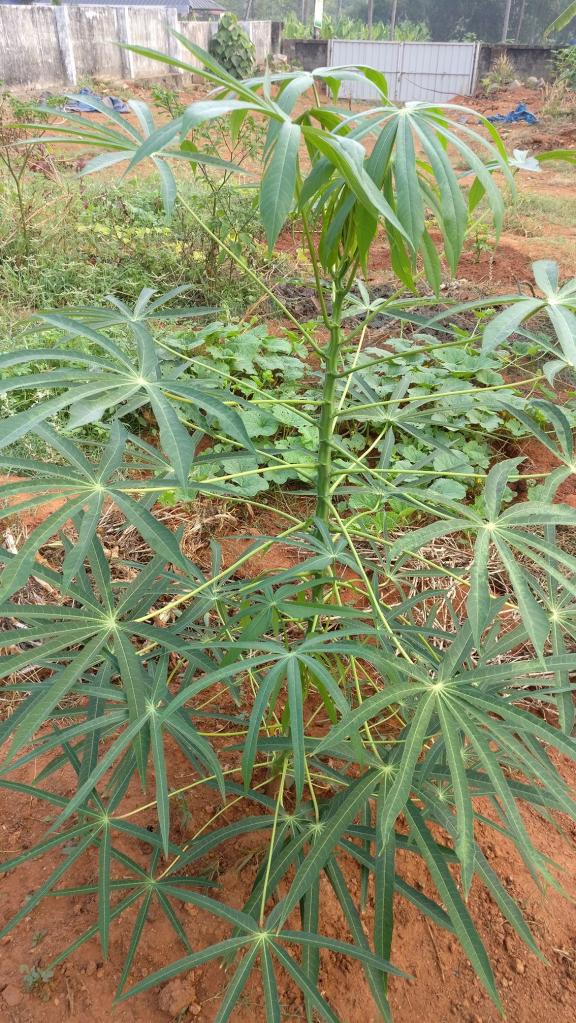
It is drought-tolerant and thrives in poor soils, making it an essential crop for food security in areas with challenging growing conditions. It’s worth noting that cassava contains naturally occurring cyanogenic compounds, so proper preparation (soaking, fermenting, and cooking) is necessary to make it safe for consumption.
Did you know that there are generally 2 types of cassava – sweet and bitter?
Sharing some native varieties of kappa below. There are many varieties developed by CTCRI too.
| ആമ്പക്കാടൻ ആനമറവൻ ആനകൊമ്പൻ മുളമൂടൻ കയ്യാല ചാടി മലയൻ ഫോർ സുമോ ചേനക്കപ്പ നീലക്കപ്പ തൊടലി മുള്ളൻ കാരി മുള്ളൻ നമ്പൂരിക്കപ്പ മലബാർ കപ്പ സിലോൺ സുന്ദരി വെള്ള സ്പെയിൻ മരിയ ഏത്തക്കപ്പ/മഞ്ഞക്കപ്പ ക്വിൻറൽ കപ്പ കാന്താരി പടപ്പൻ പുല്ലാനിക്കപ്പ നാലുമാസ കപ്പ ആറുമാസ കപ്പ | Aambakkaadan Aanamaravan Aanakomban Mulamoodan Kayyalachaadi Malayan for Sumo Chenakappa Neelakappa Thodalikappa Kaari mullan Namboori kappa Malabar kappa Ceylon Sundari Vella Spain Maria Etha kappa/Yellow kappa Quintal Kanthari padappan Pullaani kappa Naalu maasa Aaru maasa |
The varieties are named based on their origins, such as Ceylon and Malabar, or by their harvest/size, like Sumo and Quintal or by the harvesting period like Naalu maasam(4 months)/aaru(6months) maasam kappa Some are also named after their characteristics, such as Vella Kappa (white cassava) and Aanakomban (resembling an elephant’s tusk). Spain Maria kappa got its name as the cassava was brought by a nun named Maria from Spain to Kodanchery, a hilly village in Kozhikode, Kerala.
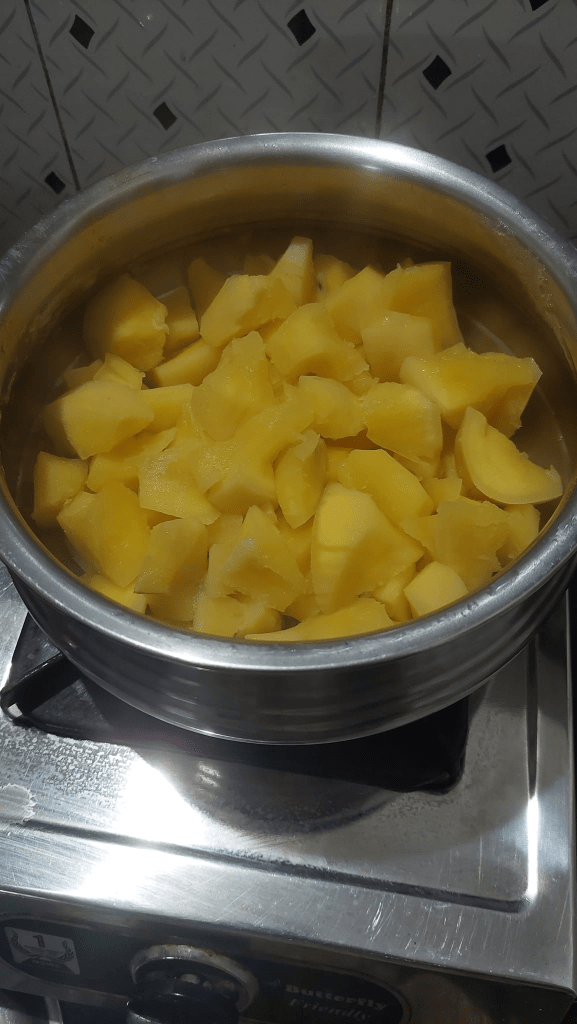
Pic courtesy: K S Gireesan
Did you know?
28th June is celebrated as National Tapioca Day
Recipes
The conventional way we prepare tapioca is to half-boil it in water and drain the water. Then, we refill it with fresh water and cook it thoroughly. This is done in order to remove the natural toxins like cyanogenic glycosides, which can release cyanide if not processed properly. It also removes any bitter taste which is due to naturally occurring compounds and enhances the taste. Additonally, this method helps make tapioca easier on digestion and reduces bloating. Do you always follow this method, or have you tried any variations?
- Paal kappa
- Kappa puzhukku
- Kappa puzhungiyathum chammanthim meenum
- Kappa puttu
- Kappa vada
- Kappa snack
- Kappa chips
- Tapioca happala/papad
- Tapioca biriyani
- Masala kappa
- Kappa cutlet
- Kappa pulissery
- Boba pearls using tapioca
- Sabudana vada
- Sabudana thalipeeth
- Sabudana khichdi
- Colacasia stem(chembu thandu) kappa erissery
- Cassava leaves stew from Sierra Leone(a country on the southwest coast of West Africa) – Considered as their national dish
- Cassava leaves with beans stew
- Dry cassava leaves stew with dry fish
- Cuban style yuca
- Yuca fritters
- Kappa dosa
- Kappa aviyal
- A good collection kappa recipes from Kerala
- Tapioca bread
- Warabimochi -Japanese confection, usually made with warabiko (bracken starch) but here made with tapioca flour
- Thalassery special kozhikaal – A famous snack from Kerala
- Baked vegan camembert – A dish from Nigeria
- Abacha salad – Made with Cassava flakes which is prepped similar way to Vattu Kappa in Kerala
- Cassava-Sweet Potato pancakes
Some more tidbits ~
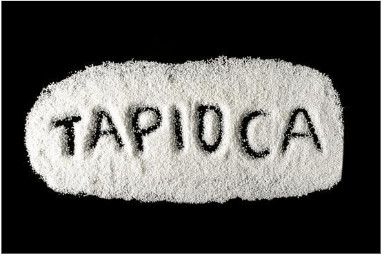
- The name “tapioca” comes from the Tupi language, spoken by the indigenous Tupi people of Brazil. The original word was “tipi’óka”, which referred to the process of extracting starch from cassava (also known as manioc or yuca).
When Portuguese explorers arrived in Brazil in the 16th century, they adopted the word and introduced cassava and its starch to other parts of the world, including Africa, Asia, and India. Over time, “tipi’óka” evolved into “tapioca”, which became the common name for cassava starch in many languages.
So, tapioca isn’t actually the name of the plant—it specifically refers to the starch extracted from cassava roots! 😊

- When we visited Australia a few years ago, I had the famous boba tea(originated from Taiwan). It was an interesting experience, especially chewing the pearl-like boba. Later, I read more about boba and learned that it is made from cassava starch. It’s amazing, right? People get so creative with food—who would’ve thought tapioca starch could turn into those chewy boba pearls!

- An alcoholic drink made from cassava named Kasiri/Kaschiri is also very famous in Venzuela, Suriname And Guyana. The juice extracted during this process is boiled until a thick black syrup is formed called Cassareep, a base for many sauces. There are various other fermented drinks made from cassava like Sarawi, parakari, Nihamanchï, sakurá, masato from various parts of the world. The Lepcha tribe, an Indigenous community in the Dzongu area of Sikkim, located in India’s Himalayan region, ferments tapioca to create a traditional alcoholic beverage known as Tunglubuk chi.
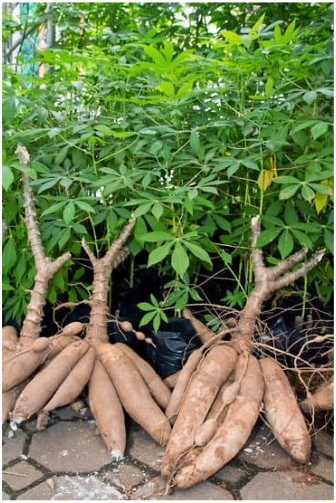
- An interesting news article on Kappa(in Malayalam) by Kurian K Thomas
- There is a celebration in hilly regions like Idukki – Kappavaattu where all the people harvest the tapioca together and prepare it for sun drying and storing.
- An exciting article I received long time back which I have translated from Malayalam; about the history of how Tapioca made its way to Kerala.
Henry Steel Olcott, an American colonel and one of the founding figures of the Theosophical Society, was the first to introduce cassava (tapioca) to India from Brazil. He presented it to Maharaja Vishakham Thirunal, who was the ruler of Travancore at that time. This Maharaja played a key role in making cassava popular in the region. His approach to promote cassava was quite unique.
After growing the crop and allowing it to reach maturity, the king called for a public assembly through a royal proclamation(വിളംബരം). Back then, such announcements were made by beating drums to gather the people. At the event, the king took it upon himself to cook and taste the cassava in front of the crowd, sharing its advantages. He encouraged everyone to take cassava from the royal garden, enjoy it, and plant its cuttings for future growth. Unfortunately, his efforts went unnoticed, as no one seemed to heed his advice! Disheartened by this lack of interest, the king came up with a rather unconventional strategy. He first enclosed the cassava field with a fence. Then, he issued a new proclamation that was far more theatrical. The drumbeat announcement warned: “Anyone who dares to enter the cassava plantation or steal from it will face the dire consequence of having their head displayed on the very fence surrounding the garden.” Strangely enough, that very night, thefts of cassava began! In the days that followed, more and more of the crop vanished from the plantation. The king, witnessing his plan unfold successfully, reportedly chuckled to himself as the thefts continued…! 😆
References
- Tuber crops by K.V Peter
- A textbook of tuber crops, Anoj Yadav & G.C Yadav
- Various local communities of Kerala(no online presence)
- Spudnik Farms
- Keralathile Kizhanguvilakal
- Buried Treasures -Tasty Tubers of the World by Beth Hanson
Tell me how you eat cassava in the comments section.
Stay tuned for the next tuber in this series!
A.

 MY LITTLE THOUGHTS LANE
Leave a reply to Rooted in Nutrition Series 13 : Lesser Known Tubers – MY LITTLE THOUGHTS LANE Cancel reply