Hope you’ve read about the tubers from the ‘Rooted in Nutrition’ series — Tapioca, Sweet Potato, Winged Beans, and Arrowroot! If not, head over to the blog and catch up on these edible gems!
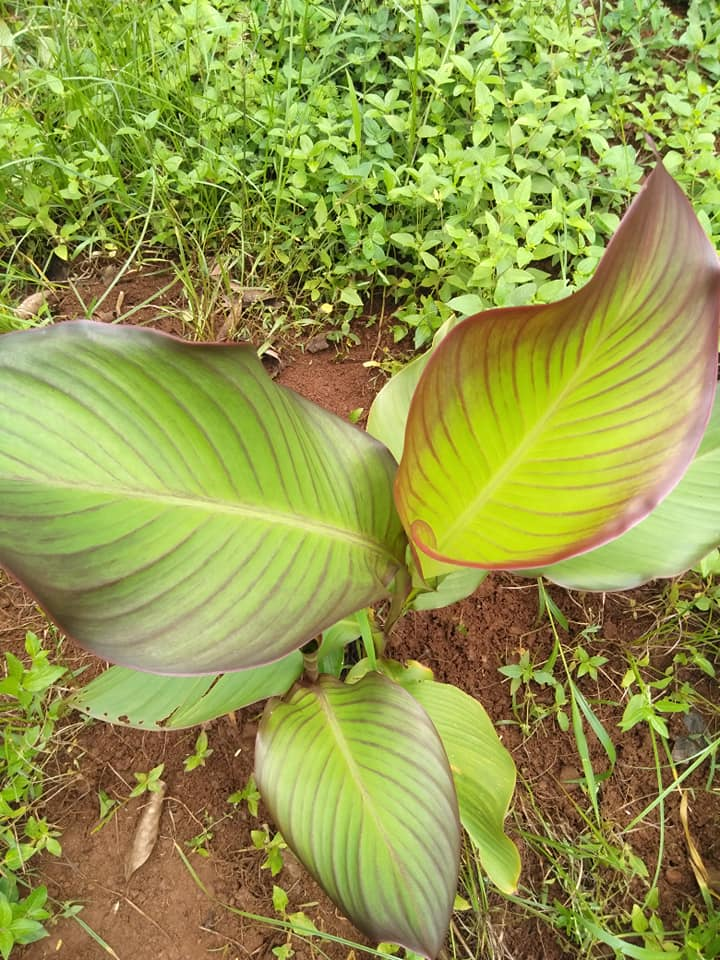
Source: Sundaran EP
If you’re thinking, “Hey, I have this plant in my garden, but I didn’t know it was edible,” please wait a moment. Scroll down a bit and make sure the rhizomes and flowers match yours.Since the canna family is among the most heavily hybridized, there are many varieties available.
Botanical name: Canna indica*
Common name from flowerofindia.net: Indian Shot, Wild canna • Hindi: सर्वज्जय Sarvajjaya • Manipuri: Laphoorit • Marathi: कर्दळ Kardal • Kannada: ಕೇಲಾಹೂ Kelaa hoo, ಹೂದಿಂಗಣ Hoodingana, ಚರೆಗುಂಡಿನಗಿಡ Charegundina gida, ಸರ್ವಜಯ Sarvajaya • Bengali: Sarbajaya • Konkani: केंळें फुल Kele Phool • Telugu: మెట్ట తామర metta tamara • Mizo: Kungpui-mu-thi
Family: Cannaceae (Canna family)
Interesting details from flowersofindia.net : One of the most commonly used beads in natural seed jewelry comes from a beautiful wildflower of the Caribbean region and tropical America. It is commonly called “Indian shot”. The seeds are called “Indian shot” because of their superficial resemblance to lead shot ammunition of the 18th and 19th centuries. The spherical black seeds of Indian shot are so hard and perfectly round that they resemble oversized buckshot from a shotgun shell. Throughout tropical regions of the world the shiny black beads are strung into earrings and necklaces, often as spacers between larger beads or mixed with silver trinkets and gemstones.The species name indica is a misnomer – this plant is not a native of India, but West Indies.
From my notes: In Malayalam, it is known as many names -ചക്കര ചേമ്പ്, കൊന്ത വാഴ, മലങ്കൂവ, ചെങ്കൂവ, മധുര കൂവ, പാണ്ടി കൂവ, മലക്കിഴങ്ങ്, വാഴച്ചേമ്പ്, നന ചേമ്പ്, കൂവയിലചേമ്പ്, ഊരാളിചേമ്പ്, മധുര ചേമ്പ് . Also called as sweet arrowroot, Queensland arrowroot.
Etymology:
Canna: Derived from the Latin word canna, meaning “reed” or “cane,” referring to the plant’s tall, reed-like stems. This name is linked to the plant’s resemblance to grasses or bamboos.
indica: A Latin term meaning “from India” or “Indian,” indicating the plant’s geographic association. However, Canna indica is actually native to the tropical and subtropical regions of the Americas but was mistakenly thought to originate from India when first described by European botanists.
C. indica* also known as achira, is an ancient but often overlooked tuber that has nourished communities for centuries. Native to South and Central America, it was cultivated by the Incas long before modern crops like maize and potatoes took over. The plant, with its striking red and yellow flowers, isn’t just ornamental—it hides a starchy, nutritious root beneath the soil. The starch is extracted the same way as West Indian arrowroot.
Edible canna traveled across the world through trade and colonial routes, finding a home in Asia, Africa, and the Pacific Islands. In India, it grows wild in many regions, but few recognize its value as food. Traditionally, its tubers were directly steamed or roasted, or they are dried and ground into flour to make porridges and flatbreads. The starch extracted from canna is exceptionally smooth and was once used for making high-quality noodles in China and Vietnam.
What makes edible canna special is its resilience—it thrives in poor soils, requires minimal care, and can withstand floods, making it a valuable food source during times of scarcity. This is one of the reasons why you might find them near the roadsides. Today, as interest in forgotten and climate-resilient crops grows, edible canna is making a quiet comeback among farmers and foragers seeking sustainable food alternatives.
From ancient Incan fields to the wild corners of Indian landscapes, edible canna remains a reminder that nature’s pantry holds many forgotten treasures.


Source: Ramani Charu
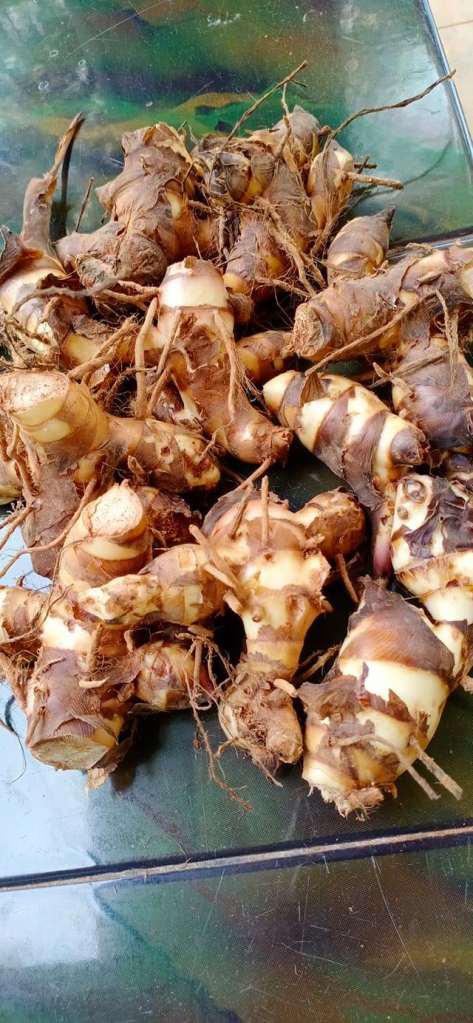
A few elderly friends remember their school days when Upma was served in school meals. They used to collect leaves of certain plants, hold them as plates. One among those leaves was the leaves of Sweet arrowroot plant. It was kind of a substitute to banana leaf for them. They also used to drink the nectar from the flowers just like we used to do with banana flowers. May be thats the reason why it is called as വാഴച്ചേമ്പ്/ Vaazha Chembu in which vaazha means banana.
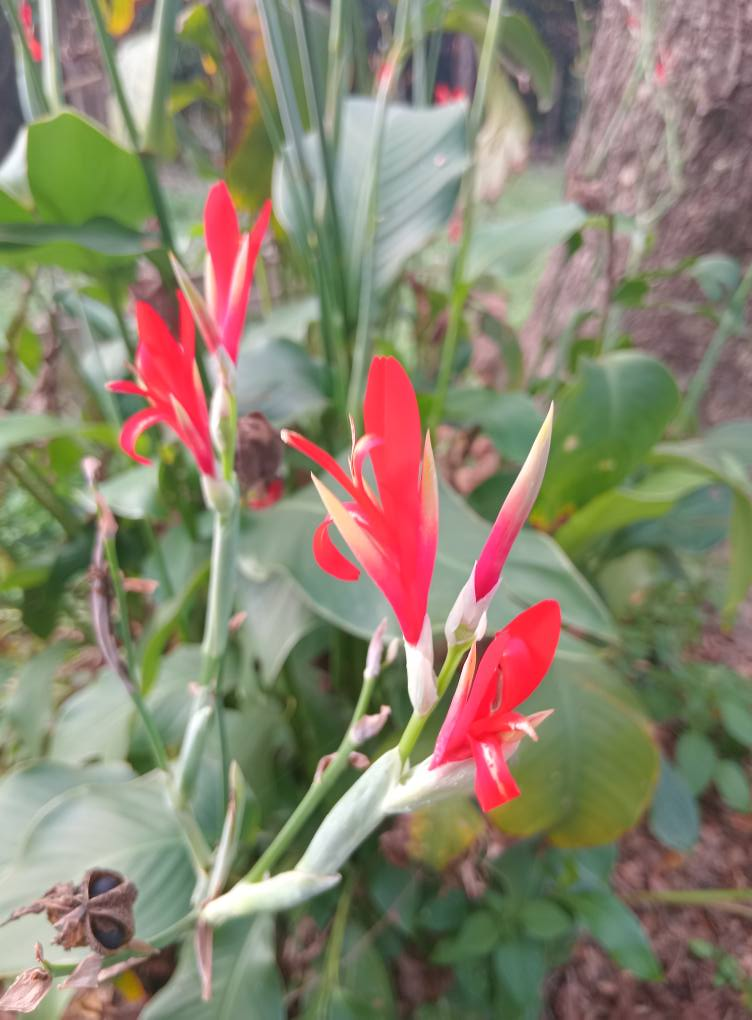
Source : Sarat Mohanty
*There is a confusion between C.indica and C.edulis on the internet and sadly, all my trusted to go sites are also in that same confusion. So if you could help me to differentiate both of them would be of great help. Until then, please refer to the plant pics I have shared above. The leaves have a purplish shade, the flowers are deep red or reddish orange and have narrowed shape petals unlike the broader ones we find in gardens.

Recipes
- Chakkara chembu Kurukk
- Chembu chuttath(roasted)
- Achira biscuits
- Colada de Achira
- Chakkara chemb puzhungiyath
While the starch of this tuber is used to make Bizcochos de Achira(roughly translated to biscuits, cookies) in Columbia, the leaves and rhizomes are used as vegetable in Malaysia and is known as Ubi Ganyong. They also make noodles out of the starch.
I got to hear from some FB friends from Kerala that the leaves are cooked but I haven’t got any reliable recipes and sources. Hence cannot recommend that right now. If you have consumed the leaves, please share it in the comments.
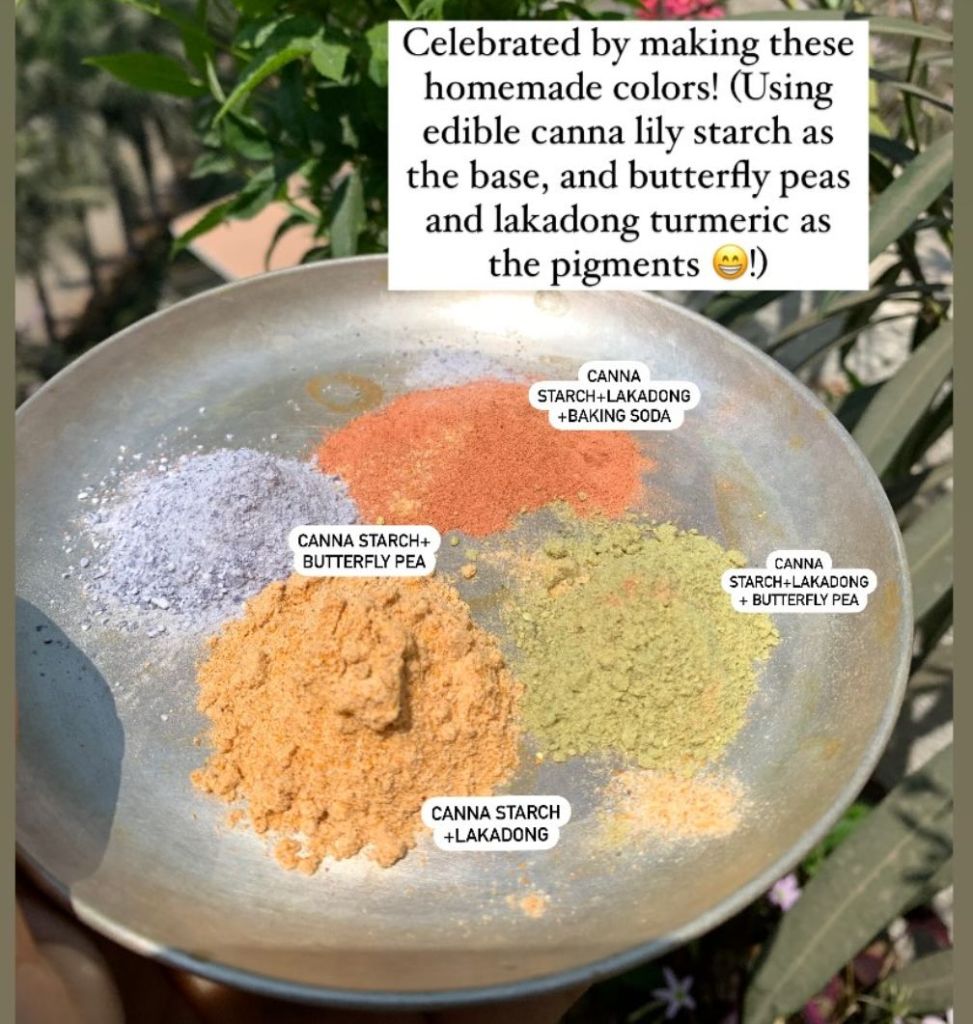
Source : Onaturale seeds
A.

 MY LITTLE THOUGHTS LANE
Leave a reply to Rooted in Nutrition Series 9: Larger Yam – MY LITTLE THOUGHTS LANE Cancel reply