
We started this series with Cassava, followed by Sweet potato, Winged bean tubers, Arrowroot, Edible Canna.
There is a lot of confusion regarding the local varieties and naming conventions of the this tuber which we call generally as ‘Chemb,ചേമ്പ് ‘ in Malayalam, making this one of the hardest posts to write. The botanical names of all the varieties I am writing about here will therefore be beyond my scope.
This multipurpose superfood never ceases to enhance Indian kitchens with its flavor and health advantages, whether it is served as a crunchy snack, a robust curry, or a wholesome leafy preparation.
Xanthosoma saggitifolium and Colocasia esculenta are the two most significant edible genera in the Araceae family. Colocasia is believed to have spread from the Indo-Malayan region to the Pacific Islands and Southeast Asia. Among the leaves and tubers, these are the ones that my family eats the most. The dishes include gantiye sukke, ventiye ghassi, terya panna alwatti, pathrodo, and terya panna bhajji. . and a lot more with only the leaves and stems. Kuvale & Mandya Ambat, Mandya Humman, Mandya Baluk, and many others with tubers. It’s no wonder that my high school pals used to make fun of me by saying, “Konkanis will eat anything wildly grown and wear all kind of flower garlands on hair.” As they thought it was funny that we made dishes with colocasia leaves and wore malas of elengi (Mimusops elengi), spatika (barleria), and various types of jasmine (not the regular ones we see commonly).
Colocasia/Taro

Source – Leon Punnoose,
Botanical name: Colocasia esculenta
Common names from flowersofindia.net : Taro, Cocoyam, Green Taro, Aivi, Dasheen • Arabic: قلقاس colcas • Assamese: বন কচু bon kachu, পানী কচু pani kachu • Bengali: বুনোকচু Banakochu, জংলিকচু Jongli Kochu • Bhojpuri: अरुई Arui, कंदा Kanda • Gujarati: અળવી Alavi • Hindi: अरबी Arabi, अरुवी Aruwi, बंडा Banda, घूयां Ghuyan, कचालू Kachalu, कच्चू Kachchu, काला कच्चू Kala Kachchu, केचुक Kechuk, मानक कंचू Manak Kanchu, नालिका Nalika, नालिता Nalita, नाड़ी पत्र Nari Patra, नाड़ीच Narich, पेचु Pechu, वन कचू Van Kachu, विश्व रोचन Vishva rochan, वितण्डा Vitanda • Kannada: ಕೆಸವು Kesavu, ಕೆಸ Kesa, ಕೇಸು Kesu, ಸಾವೆ (ಗಡ್ಡೆ) Save (gadde) • Konkani: तँरँ Terem, ವೇಂಟಿ Venti • Malayalam: ചേമ്പ് Chemp, മാണം Manam, താള് tal • Manipuri: পান Pan • Marathi: अलें Alem, आळू Alu • Mizo: Bâl, Dawl • Nepali: कर्कलो Karkalo, गाभा Gaabhaaa, पिँडालु Pindaalu • Odia: କଚୁ kachu, ପେଚୁ pechu, ସାରୁ saru • Punjabi: ਗਾਗਲੀ gagli, ਗਵੀਆਂ gawian, ਕਚਾਲੂ kachalu • Sanskrit: दलसारिणी dalasarini, कचु kachu, कच्वी kachvi, कालकचु kalakachu, केमुक kemuka, नाडीच nadicha, नाडिपत्त्र nadipattra, नालिता nalita, पेचु pechu, शकट shakata, त्रुटिबीज trutibija, वनकचु vanakachu, विश्वरोचन vishvarochana, वितण्डा vitanda • Sindhi: ڪَچالۇ kachalu • Tamil: சேம்பு chempu, நீர்ச்சேம்பு nir-c-cempu, பேசுலம் peculam • Tangkhul: Hangkorpai, Pai • Telugu: చామ chama, చేమ chema • Tulu: ಅಂಬುಗೆ ambuge, ಚೆವು chevu, ಕೆಸು kesu, ತೇವು thevul • Angami: Dzuboun, Dzuno, Dzunuo • Urdu: اروي aruwi, گهويان ghuyan, کچالو kachalu, کچو kachchu, کيچك kechuk, نالکا nalika, نالتا nalita, پيچو pechu, ناڙيچ narich, وتنڐا vitanda &bul
Family: Araceae (Arum family)
From my notes: In Malayalam, it is known as many names – ശീമ ചേമ്പ്,വെട്ടു ചേമ്പ് ,കുളമ്പ് ചേമ്പ്, തുലാച്ചേമ്പ്
Etymology:
Colocasia: Derived from the Greek word kolokasia (κολοκασία), which referred to an ancient edible root plant, possibly the Egyptian lotus or taro. The name was later applied to Colocasia due to its similar starchy underground corms.
esculenta: From the Latin word esculentus, meaning “edible” or “fit to eat”, referring to the plant’s widely consumed corms and leaves.
Malayalis call these varieties broadly as ‘Chembu/ചേമ്പ്’, and they differentiate it with one more prefixed name which signifies its quality, feature , location etc. While many online articles say that people dont eat the xanthosoma leaves, we do eat certain varieties of them. We make sure they are tender leaves while harvesting and well cooked before consumption.

Source – Ranjana S
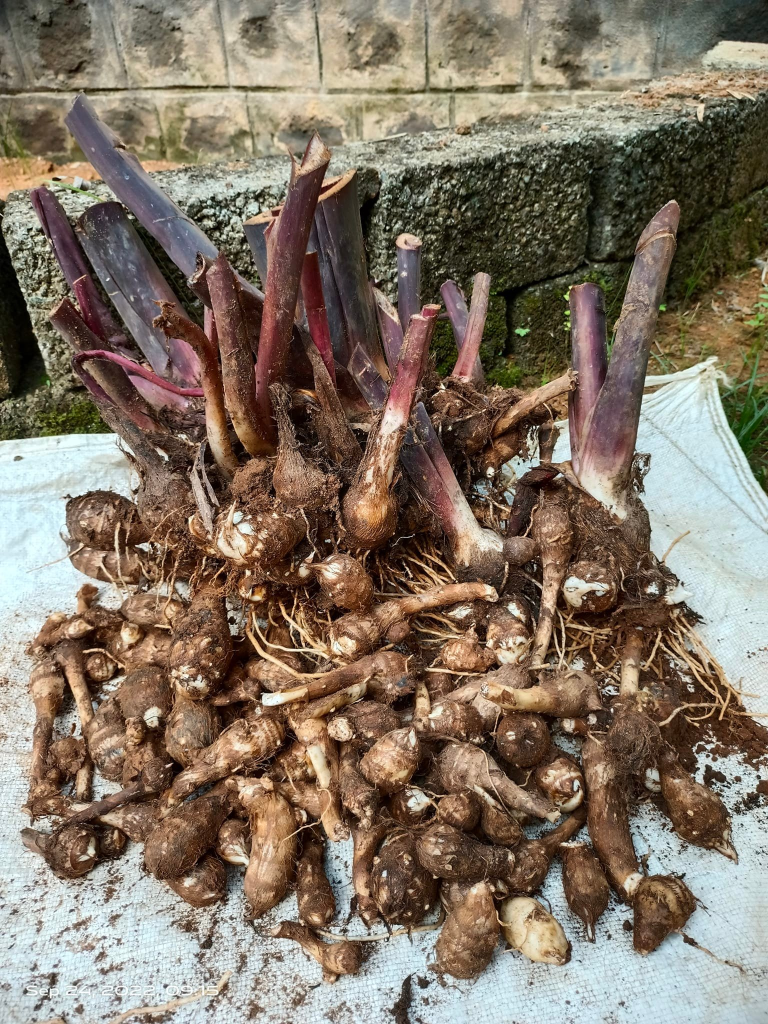
Source: Ranjana S
Xanthosoma/Tannia
Botanical name: Xanthosoma sagittifolium
Common names from flowersofindia.net : Arrowleaf Elephant Ear, Elephant ear, Tannia
Synonyms: Arum sagittifolium, Caladium sagittifolium, Alocasia talihan
Family: Araceae (Arum family)
Etymology:
Xanthosoma: This refers to the yellowish color(xanthos) of the tubers(soma=body) or other plant parts in some species of this genus.
sagittifolium: Meaning “arrow-shaped leaves”(sagitta=arrow, folium=leaf), referring to the plant’s characteristic leaf shape, which resembles an arrowhead
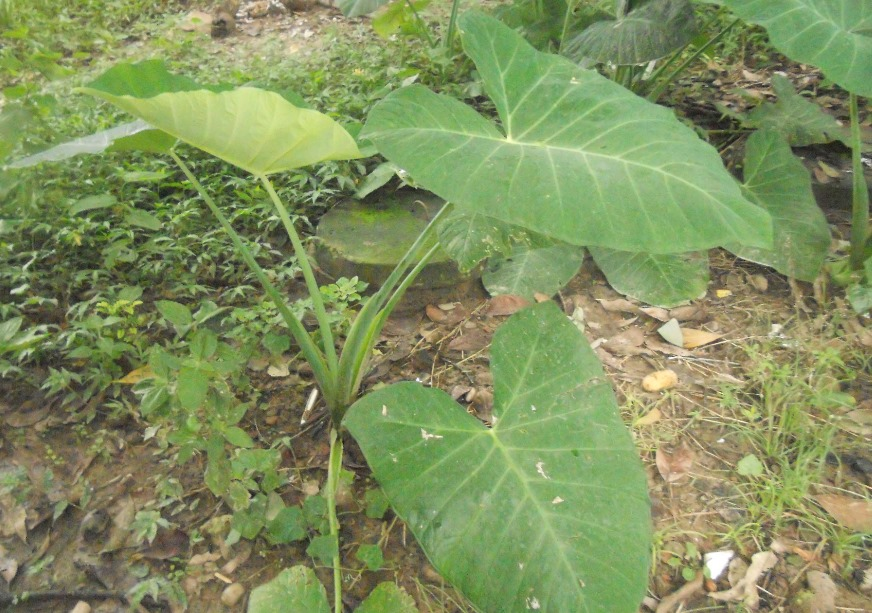
Source: Zinianasrin Shumon

Source: Zinianasrin Shumon
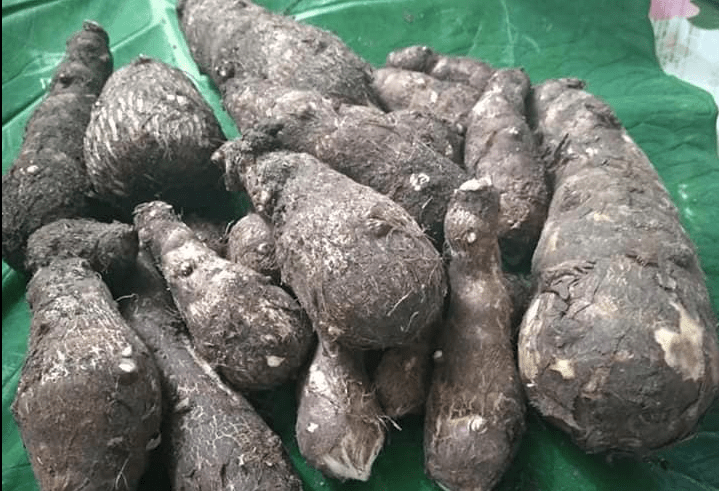
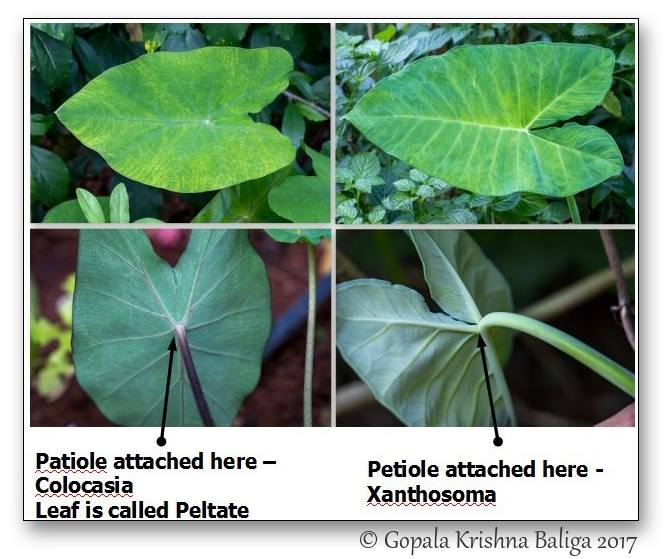
This comparison by Mr Gopala Krishna Baliga gives a clear difference between both the species. May not be exactly the same(for experts) this reminded me one of my old posts on Brahmi which explains the difference on various brahmis.
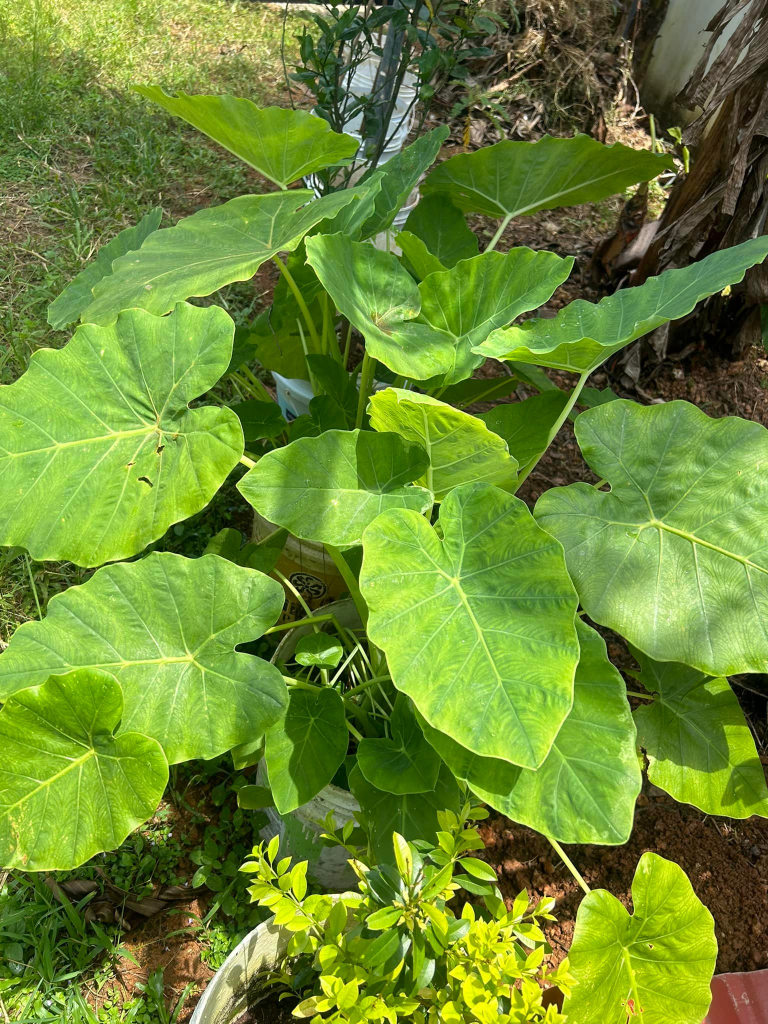
Source – Fathimi MP

Source – Jenat Madanarajan
Another variety which we locally call as ‘Cheera Chemb,ചീരചേമ്പ്’ (Alocasia indica) from same Arum family is gardeners’ favorite these days in Kerala. Also called as Tahitian spinach and has very little of the calcium oxalate crystals and this makes it easy to use as a spinach. There are 2 varieties of cheera chemb – one with green stem and another with blackish/dark violet colored.
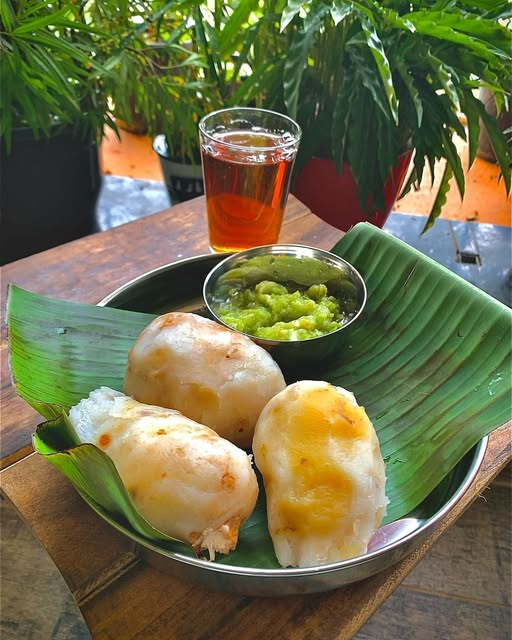

Source:Ranjana S
Sharing a list of chemb(both Taro and Tannia) which are locally grown in Kerala. I will try to add the pics of these as I get them.
| കരിഞ്ചേമ്പ് | karinchemb |
| മലാരിയന് ചേമ്പ് | Malariyan chemb |
| ചെറുചേമ്പ് നാടന്, വയനാടന് | Cheru chemb naadan, Wayanadan |
| കറുത്ത ചേമ്പ് | Karutha chemb |
| കറുത്ത കണ്ണന് | Karutha Kannan |
| വെളുത്ത കണ്ണന് | Velutha Kannan |
| ചുട്ടി കണ്ണൻ | Chutti Kannan |
| ഇഞ്ചി കണ്ണൻ | Inji kannan |
| ആറാട്ടുപുഴ കണ്ണൻ | Aarattupuzha kannan |
| കോളാമ്പി ചേമ്പ് | Colambi chembu |
| സാമ്പാർ ചേമ്പ് | Sambar chembu |
| മക്കളെപോറ്റി | Makkale poti |
| തള്ളേലൊട്ടി | Thellelotti |
| മുട്ട ചേമ്പ് | Mutta chemb |
| ചെറു ചുട്ടി | Cheru chutti |
| ചക്ക ചേമ്പ് | Chakka chemb |
| കുഴി nirayan ചേമ്പ് | Kuzhi nirayan chemb |
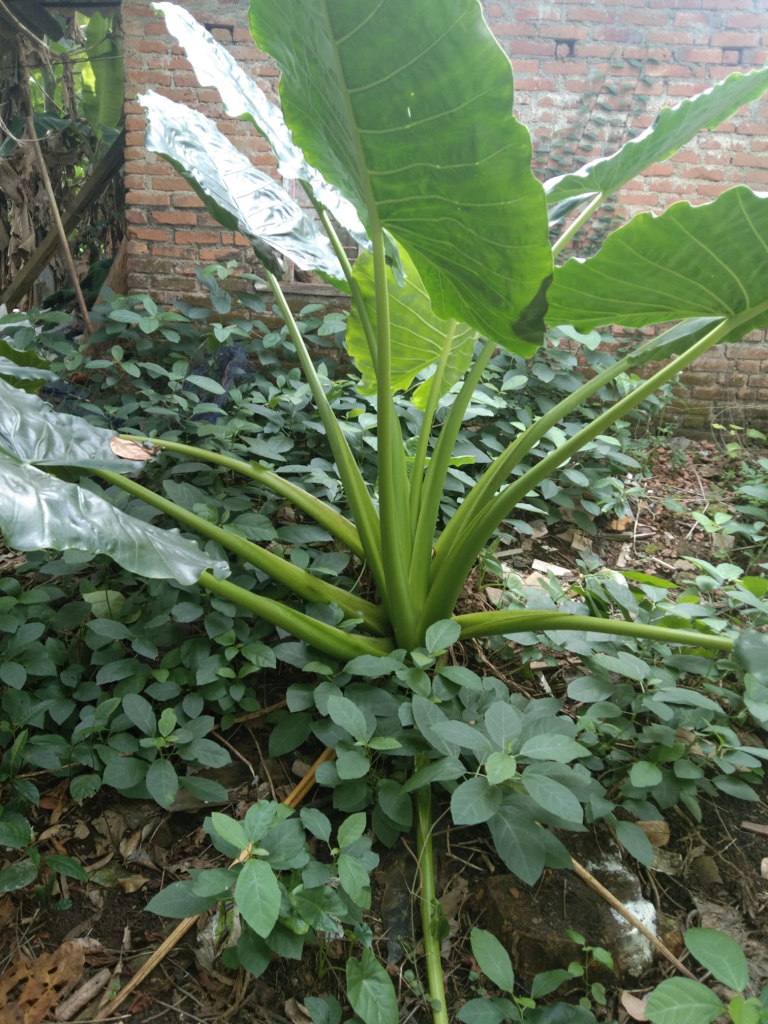
Source – P Joy Kurian
Also called as ഈയ്യചേമ്പ്/Eeya chemb, മുണ്ടി/mundi. This one is mostly used for medicinal purpose for eg for fungal nail infections, a piece of stem is cut and made a hole. Insert the infected nail in it and keep it for sometime. Repeat this until it is cured. Also used for death rituals in certain regions. Leaves are not consumed as they are highly itchy while the tuber kind part which grows just above the ground is used for consumption after it is well cooked.
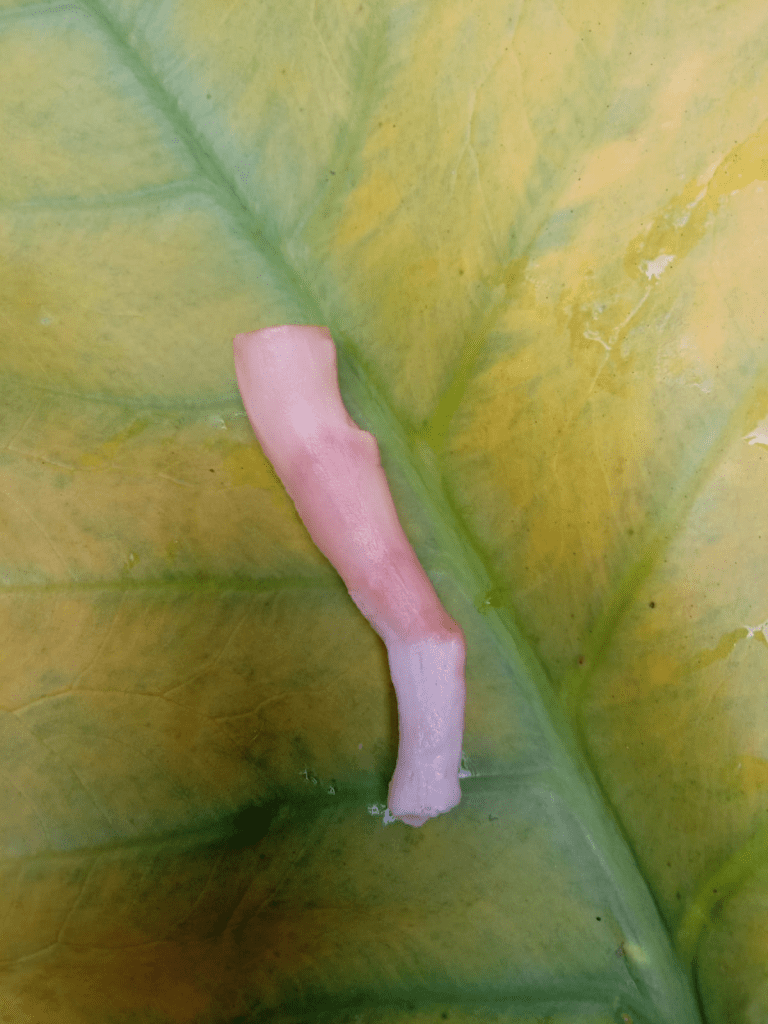
Source- Jyoti Janardhanan
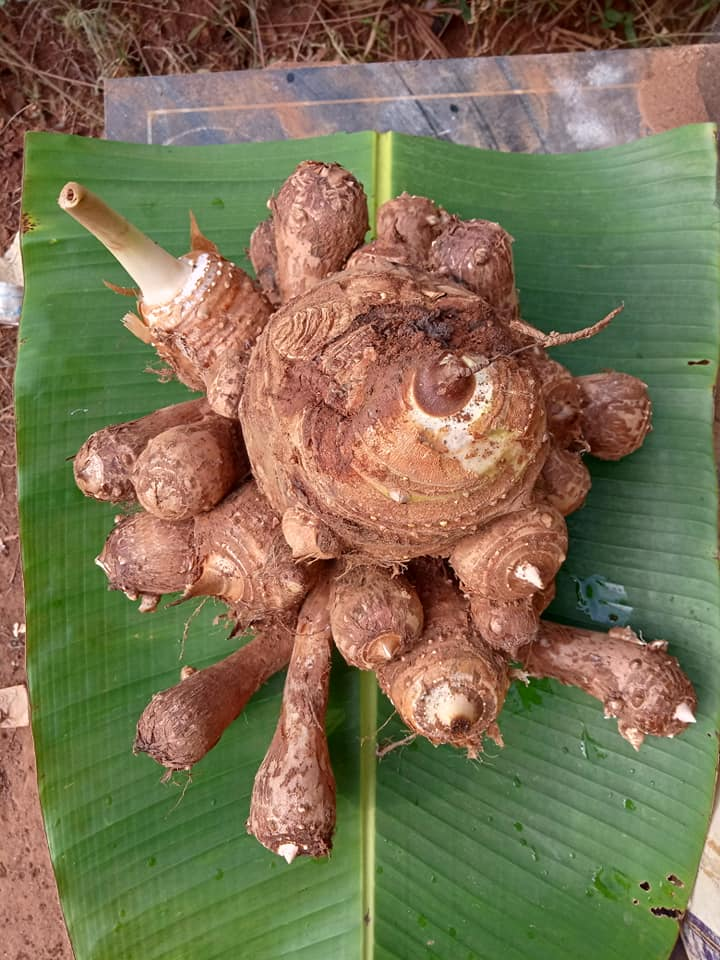
This variety of chemb can be eaten raw and it tastes like raw cassava.
Source -Sidharthan
This variety grows quite big and heavy and has more starch more than any other variety. So need to boil and discard the water 2-3 times.
One of my friend from Kerala shared this with me – there were 2 varieties of Taro grown in their ancestral home – തുലാ ചേമ്പ് Thula(the Malayalam month Tulam) & കർക്കിടക(Karkkidakam month) ചേമ്പ്. They got its name as they were harvested during those months. Thula chemb was grown in households and the Karkkidaka chemb in paddy fields where there is water logs. Even though Karkkidaka chemb was more itchy compared to other, this one tasted more.
There is a famous saying among Malayalees, ‘Thenga Patharachalum Thal alle kari'(തേങ്ങാ പത്തരച്ചാലും താൾ അല്ലെ കറി). The literal meaning of it – “Even if you grind 10 coconuts, it’s still the Thal(colocasia leaf) curry”. This expression is typically used to indicate that something’s essence or intrinsic quality remains constant, depending only on how it is expressed.
Do you know about Kerala temples offering featuring colocasia as the main ingredient? At the Maruthorvattam Dhanwanthari Temple in Cherthala, there’s a unique and lesser-known offering: Thalu Curry (Colocasia Leaf Curry). Every year, during the monsoon month(Karkidakam), devotees flock to the temple to participate in this special offering. The curry is prepared using tender stems of the white-stemmed coloasia leaf plant (vellachembu), abundantly growing in the temple’s nearby fields and groves. The preparation begins a day in advance and hundreds of people gather to clean and prepare the curry leaves and stems. Have you experienced or heard of this offering before?
At the yearly Sampradhan (Sadhya) festival, the Gowda Saraswatha temple at Karanakodam serves Ghantya/Venti ghassi. As it used to be observed during one of the wettest months, my mother-in-law jokingly remarked that this aarattu festival is also known as Bebbya Aaraattu (meaning frog’s festival). Colocasias are abundant and used to make a variety of dishes because the rains bring out all the plants that were buried in the ground.
Recipes
- Pathrodo
- Kochur Loti Sabji – Colocasia stem curry, a very famous dish amongst ‘Bangals’ (those who are originated from Bangladesh)
- Taro Stolon Stir fry – Taro stolons, also known as taro cormels or taro runners, are a part of the taro plant
- Arum soup – Arbi soup
- Mudali fry
- Arbi fry
- Arbi leaves chutney
- Mandya Humman – A Konkani dish for all the pickle lovers
- Bhajji ani mandya Upkari – A Konkani dish with red amaranthus and taro
- Vaali bhajji ani Mandya sassam -A dish prepared with Malabar spinach and taro
- Mandya pej upkari – A simple dish with just 4 ingredients
- Terya panna bhajji – Colocasia leaves dish
- Venti ghashi
- Sukke
- Alvati
- Alva Panna gojju
- Mandya Phodi – Taro fritters
- Maddi phodi
- Maddi adgai – Pickle
- Gajbaje ambat
- Dahi wala arbi
- Besan wali arbi
- Chatpati Arbi and couple of dishes
- Kuvale ambat – White pumpkin and taro curry – one of my favourites
- Paan eeromba – a colocasia version
- Seppankizhangu roast
- Arbi ke kofte – From Ranveer Brar’s team
Read more
- My visit to the Tuber festival happened in Bangalore
- What Makes Joida a Hotspot for Tuber Diversity?
- Tuber man of Kerala
- OOO Farms
So which tuber should I cover next, let me know in the comments.
A.

 MY LITTLE THOUGHTS LANE
Leave a reply to Rooted in Nutrition Series 9: Larger Yam – MY LITTLE THOUGHTS LANE Cancel reply