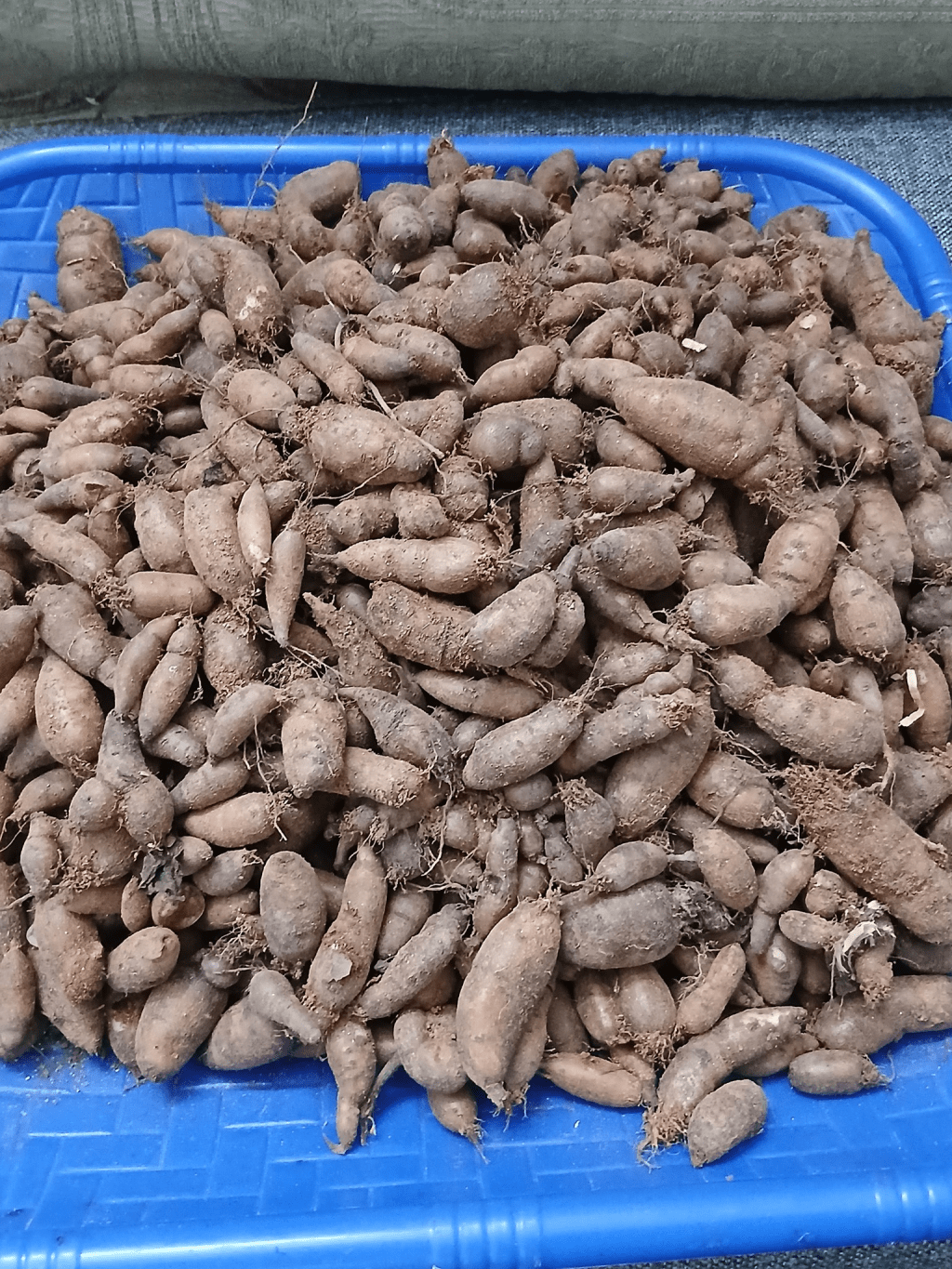
I can’t stress enough that koorkka isn’t just a vegetable; it’s a whole vibe for so many of us, including me! It’s funny how people have this love-hate relationship with this little veggie. Some can’t stand it, while others adore it but dread the cleaning. And then there are those who love it so much that they tackle the cleaning without a second thought! :D
Before we dive into the nitty-gritty, let me share a bit about the ‘Rooted in Nutrition Series.’ We’ve been exploring some fantastic tuber crops that I’ve come across in India. So far, we’ve covered Cassava/Tapioca, sweet potatoes, winged bean tubers, arrowroot, edible canna, Taro and Tannia, Elephant Yam. If you haven’t had a chance to check them out yet, I highly recommend giving them a read! 😊
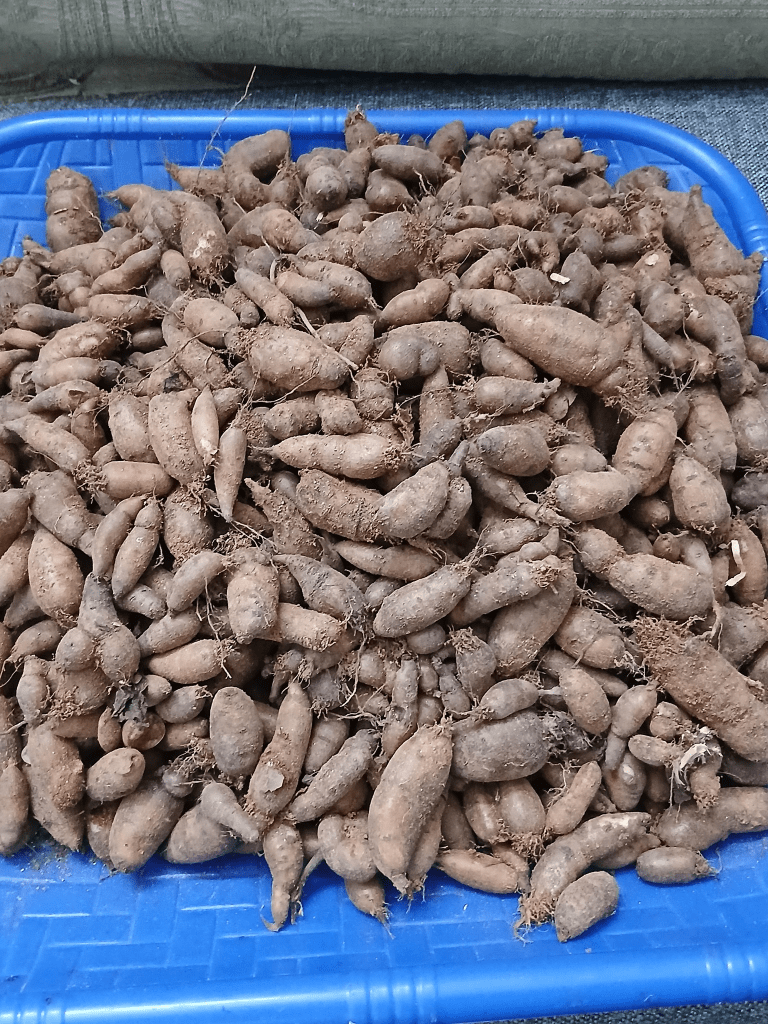
Source: PC Antony
Botanical name: Plectranthus rotundifolius Family: Lamiaceae (Mint family)
Common names from flowersofindia.net : Chinese Potato, Coleus potato, Hausa potato • Kannada: ಸಂಬ್ರಾಲಿ sambrali • Konkani: कूक kook • Malayalam: koorka, koorkka • Tamil: சிறு கிழங்கு siru kizhangu
From my notes: Also known as Cheeva Kizhangu/ചീവ കിഴങ്ങ്(Malayalam), Soppur Kenang(Konkani)
Etymology:
Plectranthus: From Greek: plektron (πλήκτρον) = “spur” or “spur-shaped instrument” (like a plectrum used to play a lyre).
anthos (ἄνθος) = “flower”
→ “Flower with a spur” — referring to the spur-like shape at the base of the flower in many species of this genus.
rotundifolius: From Latin: rotundus = “round” and folium = “leaf”
→ “Round-leaved.”
This describes the plant’s rounded leaves, which distinguish it from other species.
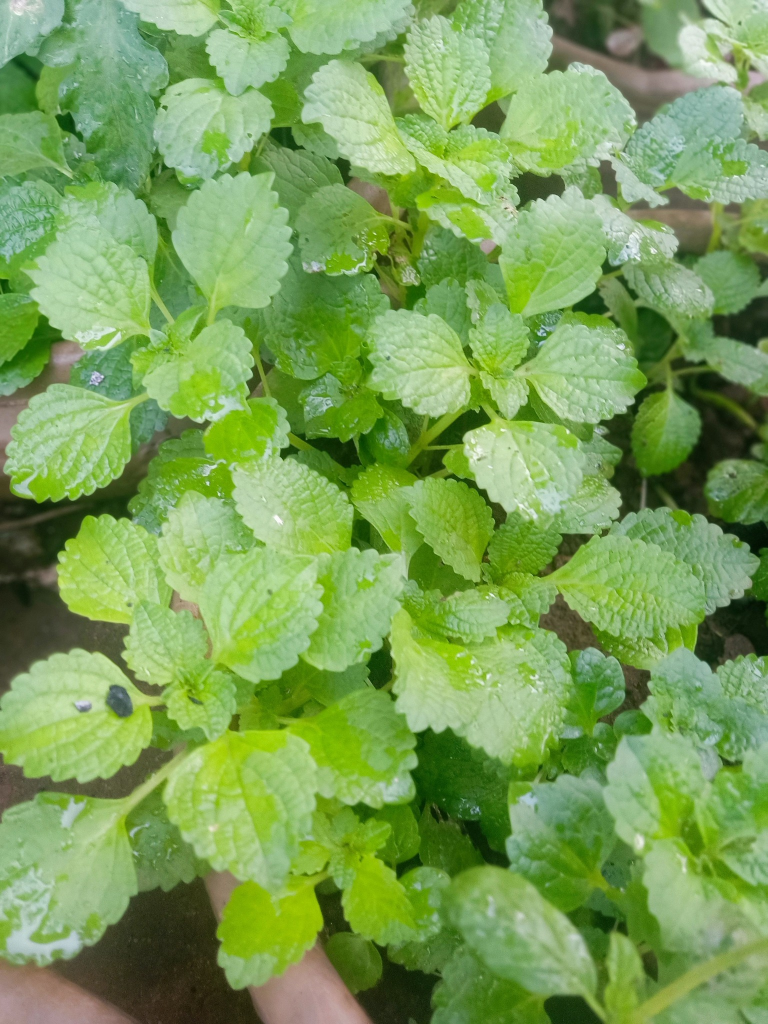
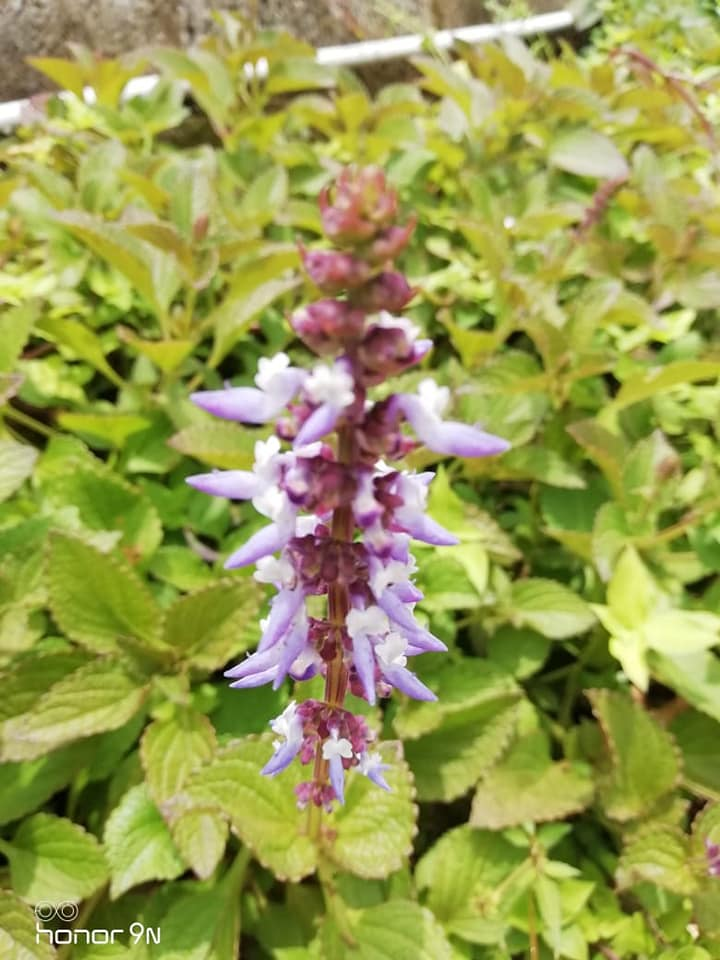
In Malyasia, this is called as ubi kemili, kentang kechil, kembili and kumbili java. It is known in many names around the world -Sudan-potato, country potato, fra-fra potato, fra-fra salanga, ratala, pomme de terre du Soudan, hausakartoffel, innala, saluga, tumuku, fabirama etc. It is called as Sambrani gadde as it has an unique aroma.
The coleus plants, which are commonly grown as ornamentals, are closely related to this. It is also associated with medicinal plants like Sri Lankan Coleus and Indian Borage.
This veggie has a unique flavor that makes it a favorite among many! Even though some folks refer to it as the ‘Poorman’s potato,’ it actually comes with a pretty high price tag compared to other spuds. Koorkka is not just tasty; it’s also packed with nutrition, offering a great dose of dietary fiber, vitamins like C and B6, and essential minerals such as potassium, iron, and calcium, along with beneficial compounds like flavonoids and glutathione. How awesome is that?
Starting with tubers is the simplest way to grow this plant! If you can snag a few tubers, be sure to store them in a cool, dark, and dry spot until they start to sprout. Once those little sprouts appear, plant them in well-fertilized, porous soil and give them a nice mulch of dried leaves. As they grow bigger, you can snip off the tips (around 15cm branches) and replant them in the soil for even more plants. Happy gardening!
Recipes
- Koorkka mezhukkupuratti – A stir fry recipe from Kerala
- Koorkka Upkari
- Koorkka randey
- Koorkka Sukke – Thoran
- Siru Kizhangu Kuzhambu
- Koorkka chemmeen/prawns roast
- Chemmeen Koorkka curry
Additional Reads
How Chinese potatoes can be a delicious and nutritious winter dish – The Hindu article

 MY LITTLE THOUGHTS LANE
Leave a reply to Rooted in Nutrition Series #11: Air potato – MY LITTLE THOUGHTS LANE Cancel reply