Let’s dive into the world of larger/greater yams! The superstar of the yam family is definitely Dioscorea alata, which you might know as greater yam, larger yam, water yam, purple yam, or ube. But that’s just the tip of the iceberg! Within the Dioscorea genus, we’ve got a whole lineup of economically important species to explore. There’s D. esculenta, known as lesser yam(we will cover that in next post), D. rotundata, the fabulous white yam, and D. cayensis, our sunny yellow yam. Then we have D. dumetorum(bitter yam), D. hispida, also known as Indian three-leaved yam, and the intriguing D. bulbifera, which is often called air potato/adathaap. Don’t forget about D. japonica, the East Asian mountain yam, D. trifida, the stunning purple yam, and D. oppositifolia, also known as cinnamon vine or Chinese yam or Nooron kizhangu. How cool is that? Each of these yams brings something unique to the table!
Before we start, if you haven’t read the previous tubers in this series – Cassava, Sweet potatoes, winged bean tubers, arrowroot, edible canna, Taro and Tannia and Elephant foot yam.

Botanical name: Dioscorea alata
Common names from flowerofindia.net: Asiatic yam, Greater Yam, Yam, Water yam, Indiatic yama • Assamese: Kath-aloo Hindi: चाई Chai • Malayalam: നീല കാച്ചിൽ Neela Kaachil, കുത്തുകിഴങ്ങ് Kuthu kizhangu, കണ്ടിക്കിഴങ്ങ് Kandi kizhangu, കാവത്ത് Kaavath, ചീമകാച്ചിൽ Cheema kaachil, മാം വേരൻ Maam veran • Marathi: कर्दळ Kardal • Kannada: ಕೇಲಾಹೂ Kelaa hoo, ಹೂದಿಂಗಣ Hoodingana, ಚರೆಗುಂಡಿನಗಿಡ Charegundina gida, ಸರ್ವಜಯ Sarvajaya • Bengali: Sarbajaya • Konkani: केंळें फुल Kele Phool • Telugu: మెట్ట తామర metta tamara • Mizo: Kungpui-mu-thi
Family: Dioscoreaeae (yam family)
Etymology:
Dioscorea: Named after Dioscorides, a Greek physician and botanist from the 1st century CE, who wrote De Materia Medica, an influential text on medicinal plants. This genus includes various species of yams.
alata: Derived from the Latin word alatus, meaning “winged” or “having wings.” This refers to the plant’s distinctive winged (ridged) stems.
Larval Host Plant
Tagiades gana – Suffused Snow Flat
Tagiades japetus – Common Snow Flat
Tagiades litigiosa – Water Snow Flat
During December-January months, Keralites celebrate the festival Thiruvathira, which is falling on the Thiruvathira star in the Malayalam month of Dhanu. It is considered a women’s festival, with traditions including fasting, rituals, and the Thiruvathira dance and much more. It’s a carrier of Kerala’s agrarian memory, traditional diet, and quiet strength. Since this coincide with the seasonal tuber harvest, the main ingredients used for preparing certain dishes which are eaten only during this festival are tubers. I would certainly write a separate post on the dishes and the recipes.

Yams are low-maintenance crops. They grow well in Kerala’s laterite soil with minimal inputs. It is often grown as part of mixed cropping systems. Eg- A variety of kaachil called inji kaachil is planted in between the ginger crops. Kaachil are generally sowed during Meena maasam(March-April) which is just before the harsh Summer. The Summer rains will help them to sprout. Alsp they are so resilient to drought conditions. They would stay underground even if you dont harvest them.
If you are interested to know more on the varieties, please be watchful on the roots and tuber melas happening around Kerala, Karnataka and Tamil Nadu especially during Dec-Feb months.
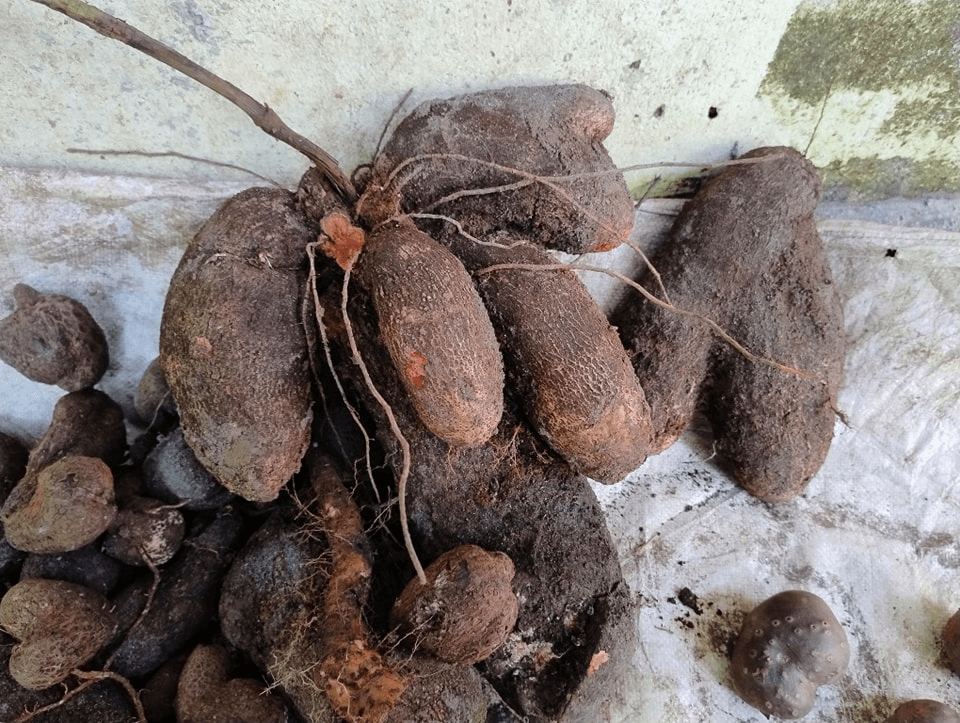
Source – Keralathile Kizhangu Vilakal
Did you know that D. rotundata, D. cayensis, D. japonica, D. opposita, and D. alata have a unique twist? When you look up from the ground, their vines spiral to the right, almost like they’re doing a little dance in a clockwise direction! On the flip side, D. esculenta, D. dumetorum, D. hispida, D. bulbifera, and D. trifida prefer to twine to the left. Isn’t nature fascinating?
There is a saying among farmers – “ഒരു മുഴം കാച്ചിലിന് ഒമ്പത് മുഴം ഏറ്റം” which can be literally translated to ‘A one-cubit kaachil will have nine cubits of vine’. It reflects the impressive growth of the kaachil (yam) plant. Even if the tuber underground is just a cubit long, the vine that grows above ground can stretch up to nine cubits. It’s not meant to be a precise measurement, but more a way of highlighting how vigorously the plant grows.

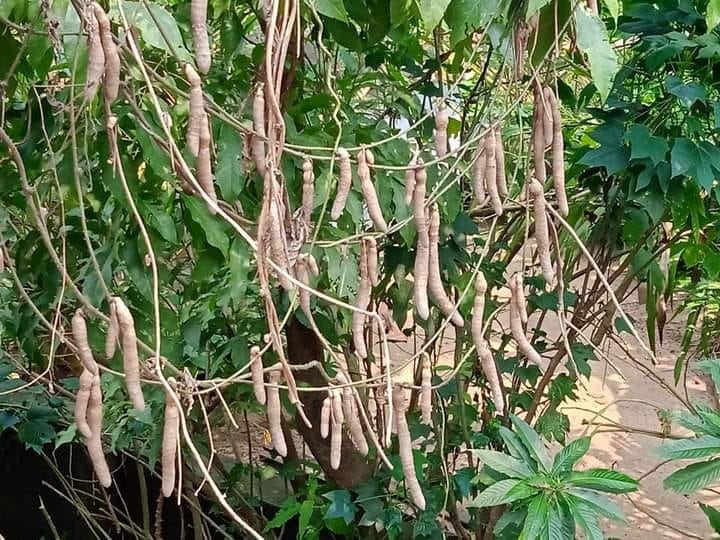
Most of the varieties gets aerials tubers like air potato, while some are edible and rest are majorly used to replant. We call it ‘mekaachil/ മേക്കാച്ചിൽ’ in Malayalam.
There are many local varieties with interesting names. Each has its own unique features, character and taste.
| ചുവപ്പ് കാച്ചിൽ | Red kaachil | Inner part is red |
| വെള്ളകാച്ചിൽ | Vella Kacchil | Inner part is white |
| നീല കാച്ചിൽ | Neela Kaachil | Bluish |
| വയലറ്റ് കാച്ചിൽ | Violet kaachil | Violet |
| നാരില്ലാത്ത വെള്ള കാച്ചിൽ | Naarillatha vella kaachil | With no fibers |
| മല താങ്ങി കാച്ചിൽ | Mala thaangi kaachil | |
| ആഴത്തിൽ ഇറങ്ങിച്ചെല്ലുന്ന കൂന്താലികാച്ചിൽ/പാതാള കാച്ചിൽ | Koonthaali/Paathaala kaachil | Grows deeper(Paathalam) |
| പരന്ന കിഴങ്ങുണ്ടാവുന്ന മുറം ചാരി കാച്ചിൽ/പരിചക്കോടൻ | Muramchaari/Parichakodan | Grows like winnow(Muram) or the shield(Paricha) |
| കടുവാ കൈയ്യൻ | Kaduva kaiyyan | Like tiger’s claw |
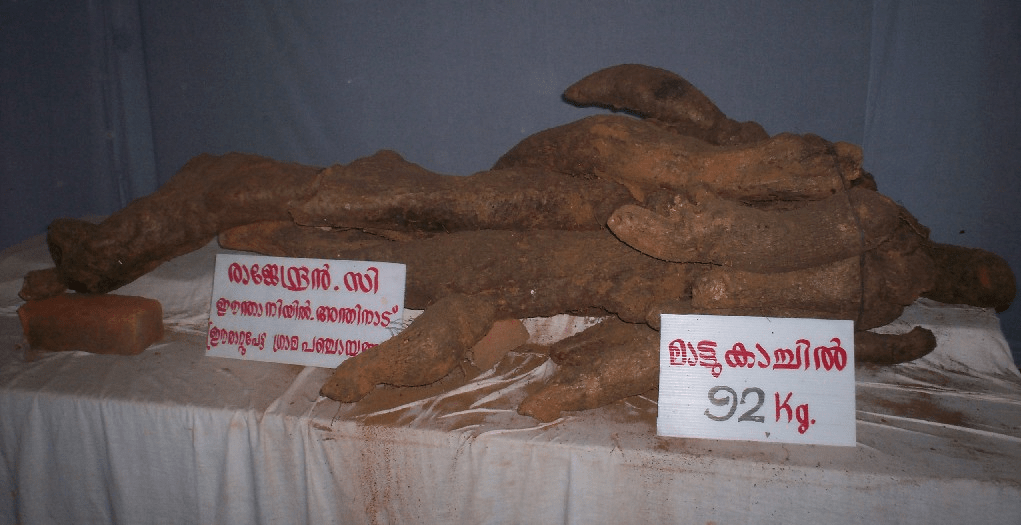
| ക്വിന്റൽ കാച്ചിൽ | Quintal kaachil | Grows heavier |
| പാൽവള്ളി കാച്ചിൽ | Paalvalli | |
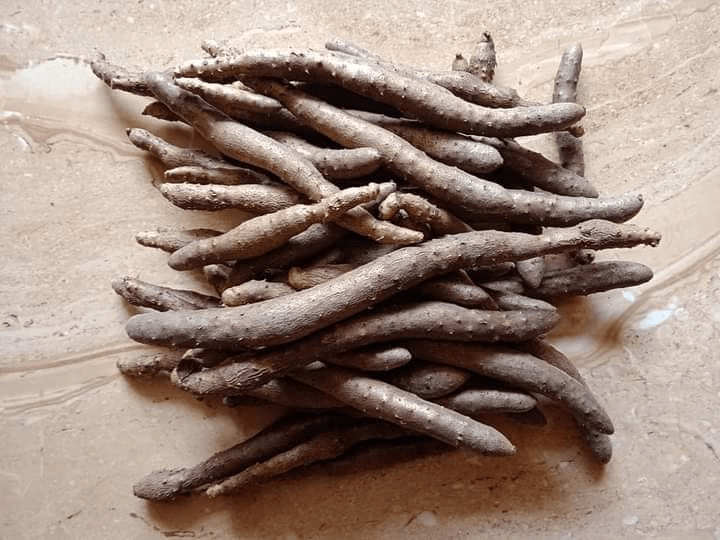
| എലിവാലൻ | Elivaalan | Like rat’s tail |
| മാട്ടു കാച്ചിൽ | Maattu | Wild variety |
| ഉണ്ട കാച്ചിൽ | Unda | Round variety |
| തൂണൻ കാച്ചിൽ | Thoonan | |
| കവല കാച്ചിൽ | Kavala | |
| കയ്യാല പടപ്പൻ | Kayyaala padappan | |
| അടുക്കൻ കാച്ചിൽ | Adukkan | Lots of tubers grows together |
| ആന കാലൻ | Aana kaalan | Like elephant’s leg(depicts size) |
| വാഴ കാച്ചിൽ | Vaazha kaachil | |
| ഭരണി കാച്ചിൽ | Bharani | |
| ഗന്ധകശാല | Gandhakashala | With a good aroma |
| തിരി കാച്ചിൽ | Thiri | |
| വടക്കൻ കാച്ചിൽ | Vadakkan | |
| കപ്പ കാച്ചിൽ | Kappa | |
| തൂങ്കുഴിയൻ | Thoongizhiyan | |
| ചേന കാച്ചിൽ | Chena | |
| പെരുവലത്തൻ കാച്ചിൽ | Peruvalathan | |
| പാമ്പൻ കാച്ചിൽ | Paamban | |
| നീരാളി കാച്ചിൽ | Neerali | |
| കുറ്റി കാച്ചിൽ (2തരം) | Kutti Kacchil | The vines doesn’t spread like other usual varieties. |
| കറവൂര് ലോക്കല് | Karavoor Local | |
| ആയിരം കാലൻ | Aayiram kaalan |

Source

Picture courtesy – Prakruthiyude Koottukar
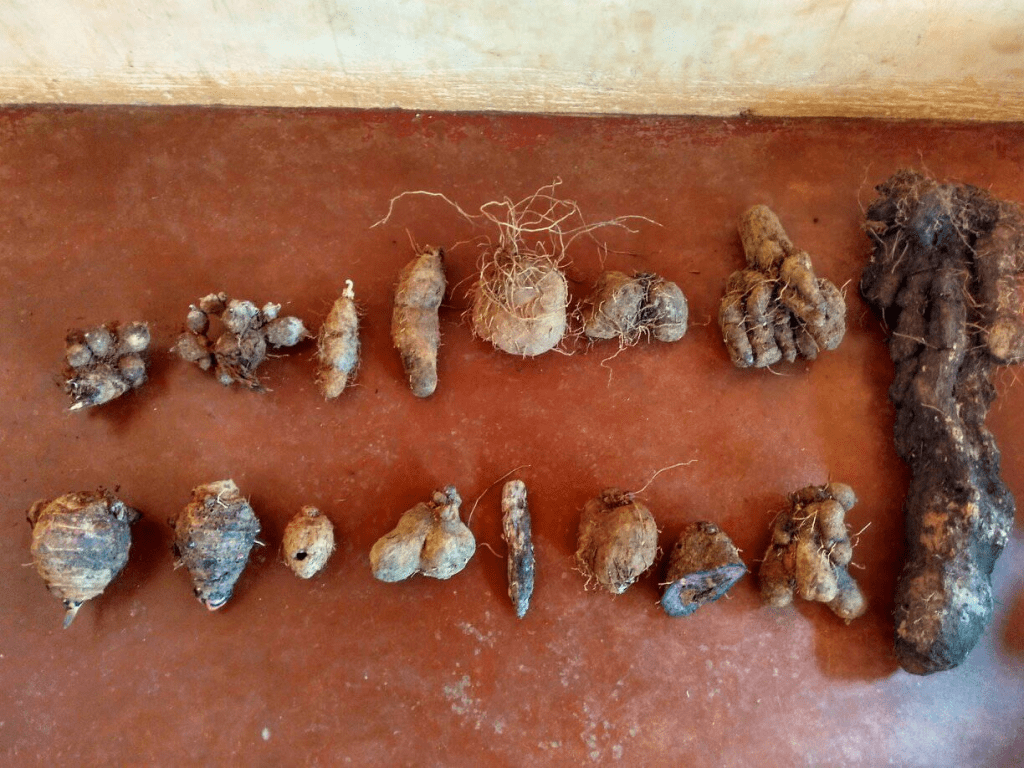
Pic courtesy – Sidharthan Savarni
Recipes
- Purple yam and chutney – Traditional style from Kerala
- Srikrishna Pathiri – Pathiri made with violet yam
- Kaachil asthram – a traditional dish from Kerala
- Kachil curry
- Kaavath puzhukku
- Kaachil recipes
- Kaachil mezhukkupuratti
- Kaachil kanji
- Kaachil cutlet
- Paal kaachil
- Ube baking recipes
- Ube recipes from Philippines – A big collection of recipes which includes Ube bread, Kuchinta with Ube Cookie Butter, Ube Cream puffs, Ube Halaya Pie Cookies & Ube Halaya, Ube crepe cake, Ube brownies, Ice cream and much more
- Ube dishes from Srilanka
- Purple Yam chat

- The traditional recipe – After cleaning the tuber, cook it well in water with salt required. Make a chammanthi with dry red chilly, shallots, and tamarind in coconut oil. Add Green pepper, salt and pound it well. Have the cooked tuber with chammanthi.
- Another recipe – Cook the kaachil separately in water with some salt. Once cooked well, separate the water and the cooked pieces. In a pan, add coconut oil, chopped and crushed green chillies and the cooked kaachil. Stir well until it cooks. Serve hot.
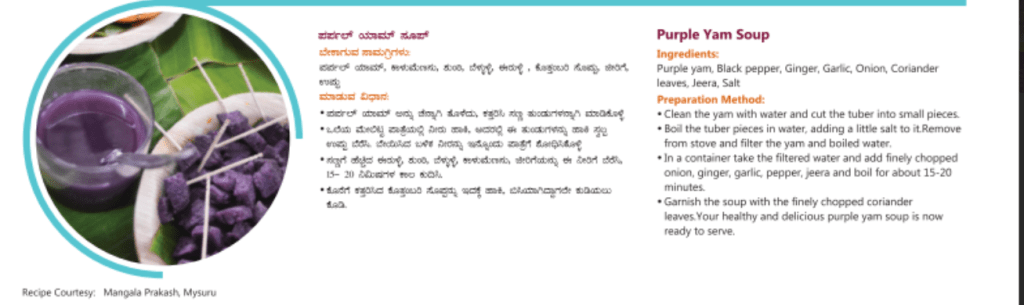


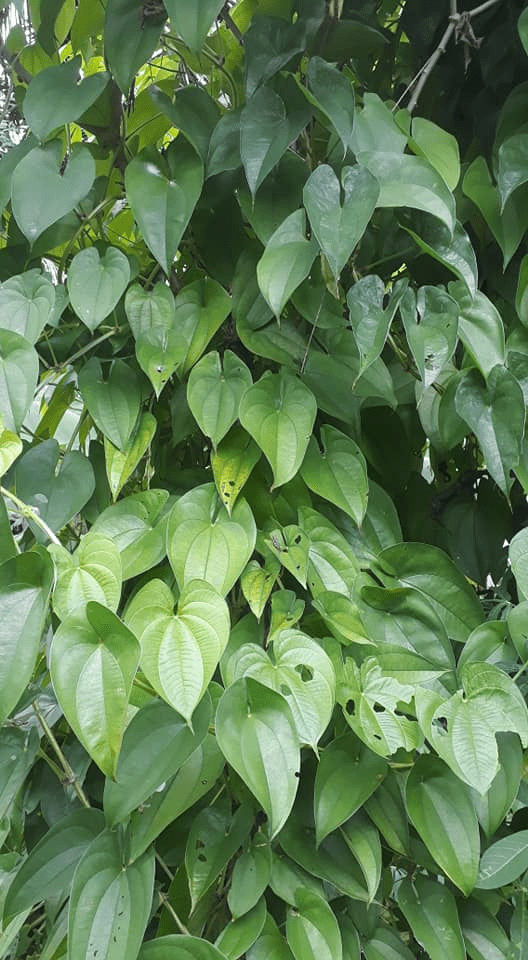
Source – Suresh Sasidharan
Pic courtesy – Wiki

Courtesy – link
Additional Reads
- Traditional tuber crop farming among tribes
- Tuber man of Kerala, who is growing more than 200 varieties of tubers and an informational video
A.

 MY LITTLE THOUGHTS LANE
Leave a comment