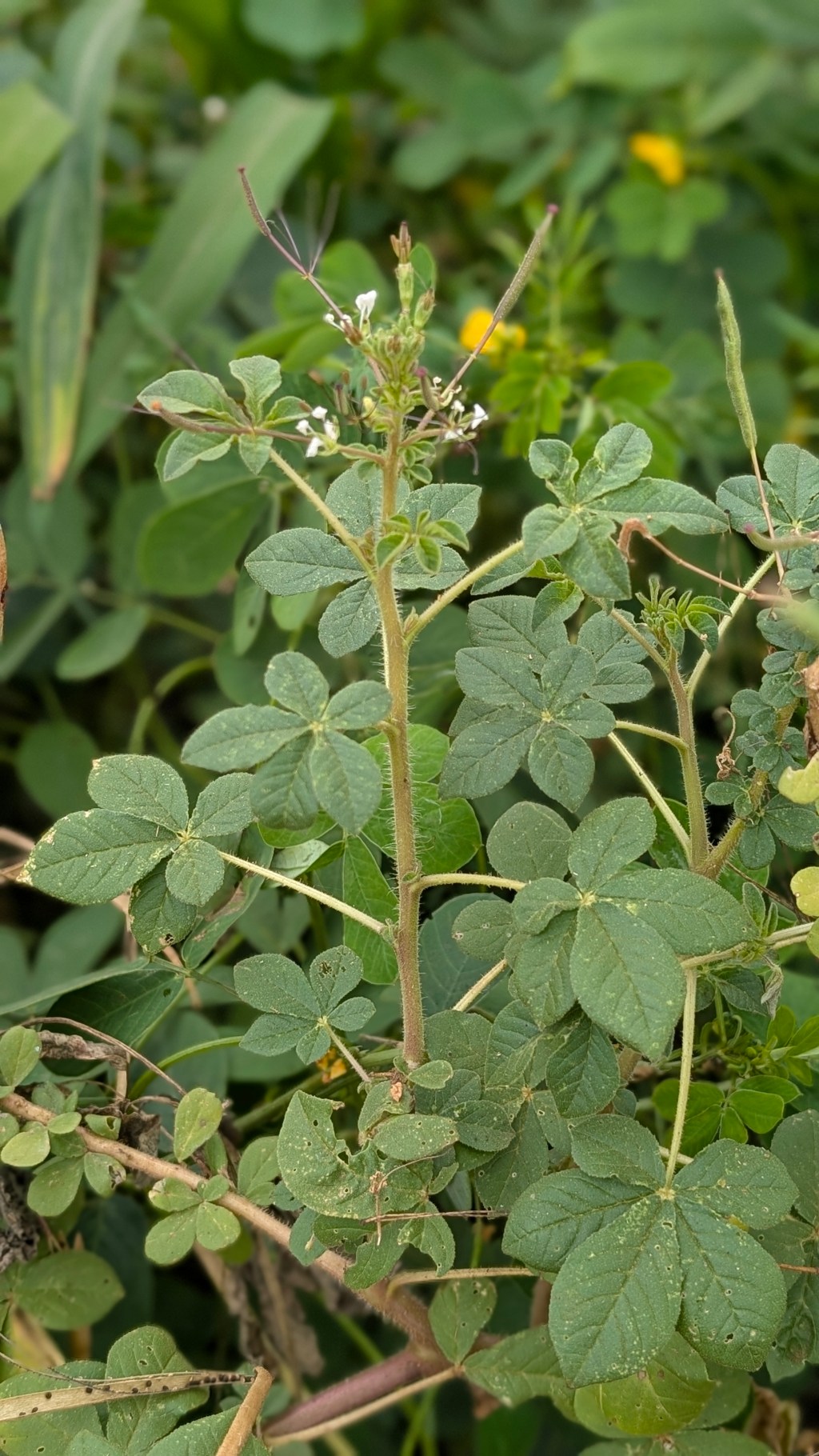
I don’t recollect the first time I spotted this plant, but I have always been excited whenever I come across one! The beautiful flowers are sure to catch anyone’s eye from a distance. They are simply stunning.
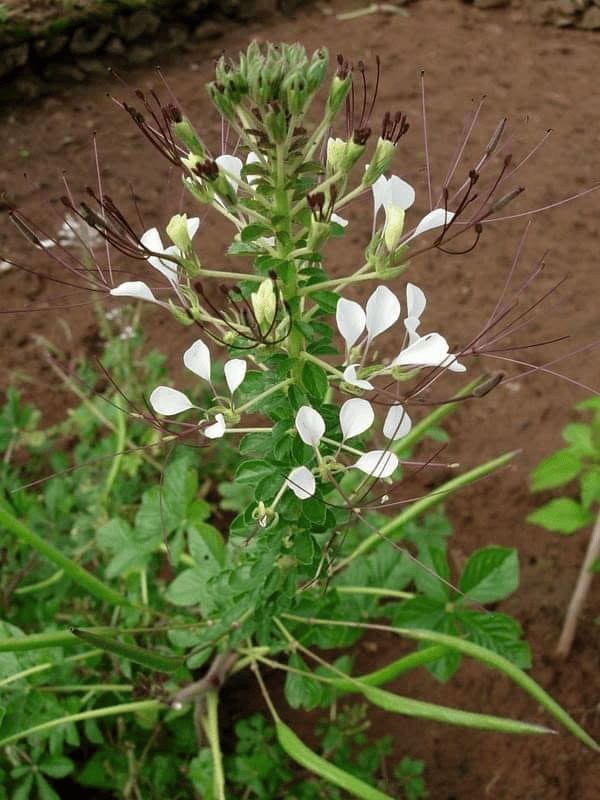
Botanical Name: Cleome gynandra Family: Cleomaceae (Spider Flower family)
Common name from flowersofindia.net: Wild Spider Flower, African Spider-flower, Cat Whiskers, Bastard-mustard • Hindi: Jakhiya, Safed Hulhul, Parhar, Safed Bagro • Marathi: पांढरी तिलवन Pandhari Tilvan, Kanphodi, Mabli • Tamil: Taivelai, Nalvelai, Velai, Acakanta • Telugu: Vaminta, Thella Vamita, Thivezhai, Vaaminta • Kannada: ಕಿಲೋಣಿ Kiloni, Kirikaala, ಮಾಂಬಳ್ಳಿ Maamballi gida, ತಿಲೋಣಿ Tiloni, ಶ್ರೀಕಲ Srikala, ಸೂರ್ಯಾವರ್ತ Suryavarta, ಅಜಗಂಧಿ Ajagandhi, ನಿರಿಡಿಬಿತ್ತ Niridibitta • Sanskrit: अजगंधा Ajagandha
From my notes: Kannada- Naramballi soppu, Narumbeli soppu, Suryavarta, Jwarahara soppu
Etymology:
Cleome: The origin of Cleome is somewhat uncertain. It is generally traced to an ancient Greek plant name, kleōmē, used for a mustard-like plant. The genus belongs to the Cleomaceae family.
gynandra: It comes from Greek:gynē (γυνή) = “woman” or “female” and anēr / andros (ἀνήρ / ἀνδρός) = “man” or “male”. So gynandra literally means “female-male” or “with female and male characteristics.”
In botanical terminology, gynandrous describes a condition where the stamens and pistil are closely united or associated. In Cleome gynandra, the name refers to the distinctive relationship of the reproductive organs in the flower.
It was fascinating to learn that people use this plant, known as Maman leaves, for fermentation in many different ways. The most interesting one for me was how Malaysians prepare a pickled version called Jeruk Maman, which uses rice as part of the fermentation process! I have definitely bookmarked this one to try. I’ve listed the recipe link in the Recipes section if you would like to try it too ;) Cambodians pickle ‘ma mien’ along with bean sprouts and mustard greens.
One of the major uses of these greens around the world is in postpartum diets. In some parts of Africa, the leaves are cooked separately and then added with stir-fried tomato and onion, along with some groundnut paste, and given to new mothers. Another way they include these greens in the diet is by cooking them with milk. After blanching the leaves, they are cooked with a little milk and salt. The milk helps reduce the bitterness of the greens.
Check out the other ways people use to reduce the bitterness of these greens.
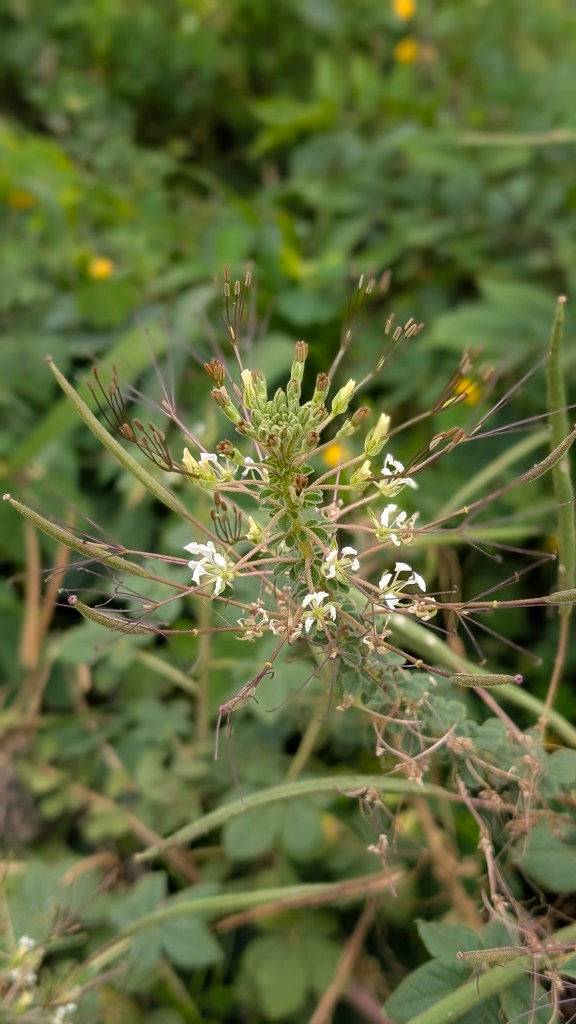
Traditional Uses:
Cleome gynandra is actually eaten as greens in our village side, it is slightly bitter so it is always had along with lentils or other greens. It is a very safe herb to consume but if you have too much of it, it will increase the body heat. This plant is very very highly nutritious and is said to contain very high amount of vitamin C, beta carotene and protein. It also has wonderful medicinal uses. Try your best to include this plant in your diet and also use it in home remedies like given below.
Medicinal Uses:
- For Treating Sinus Infection: Add the leaves in the rolling boil water and inhale the steam.
- For Insect Bites and Wounds: Take the leaves and crush them in mortar and pestle. Apply it directly in the affected area as a thick poultice.
- For Chest Congestion & Mild Fevers: Pound 1/4 tsp each of cumin seeds and peppercorns coarsely in mortar and pestle. Add 5-6 leaves with one flower head and the pounded mixture to 1cup of water and boil it. Reduce it into half, strain and sip this often. If you want to add any sweeteners, you can add them. But avoid sugar.
- Reduces inflammation, arthritis related issues: Have it as food.
- Best for lactating mothers: Include it in food.
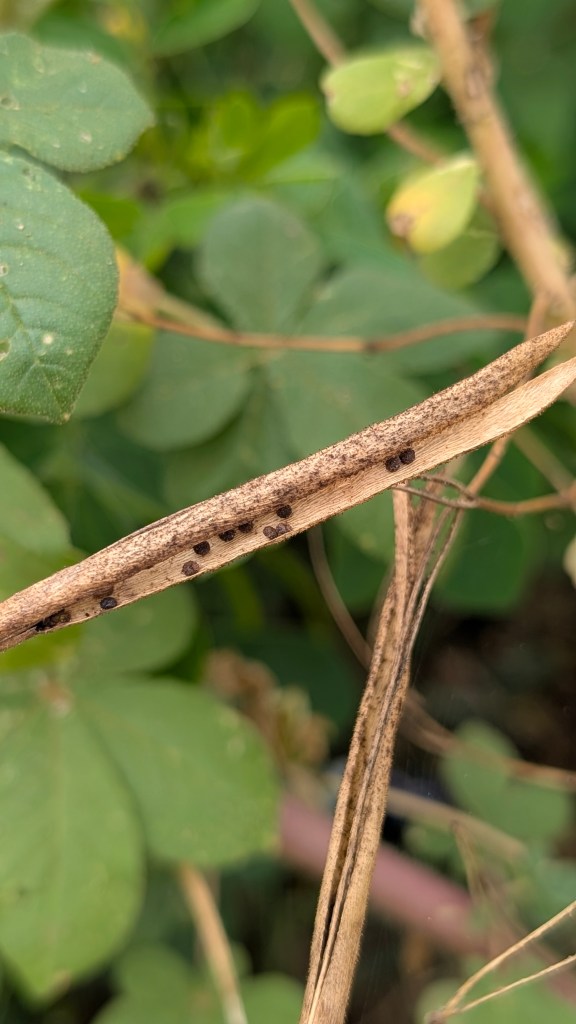
Please note that there are some garden cultivar in Cleome which may look similar to this which arenit edible. Make sure you follow the Foraging rules before harvesting and consuming these greens.
Recipes
- Naramballi Sambar
- Ajagandha Saaru
- A Kenyan recipe with Saget – Loved how they incorporated the matured leaves by cooking it with Basale or amaranth to avoid the bitterness.
- Samboe Salad – From Togo
- Naaribele soppina saaru
- Kuzhambu
- Jeruk Maman
- Rendung Maman – A non veg dish
A.


Leave a comment