My family had this beautiful ritual to visit Tirupati once 3-4 years by car. We would travel through Tamil Nadu and Karnataka before reaching Andhra, without any GPS trackers or Google maps! During those journeys, my parents would make me sit in the front passenger seat and ask me to guide them! So, I am the one who would stop and ask strangers for the directions, look out for vegetarian-only hotels, and keep an eye out for petrol pumps with toilets::D.
In between all this, I used to observe the flora along the roadsides and sneak quick peaks into home gardens!
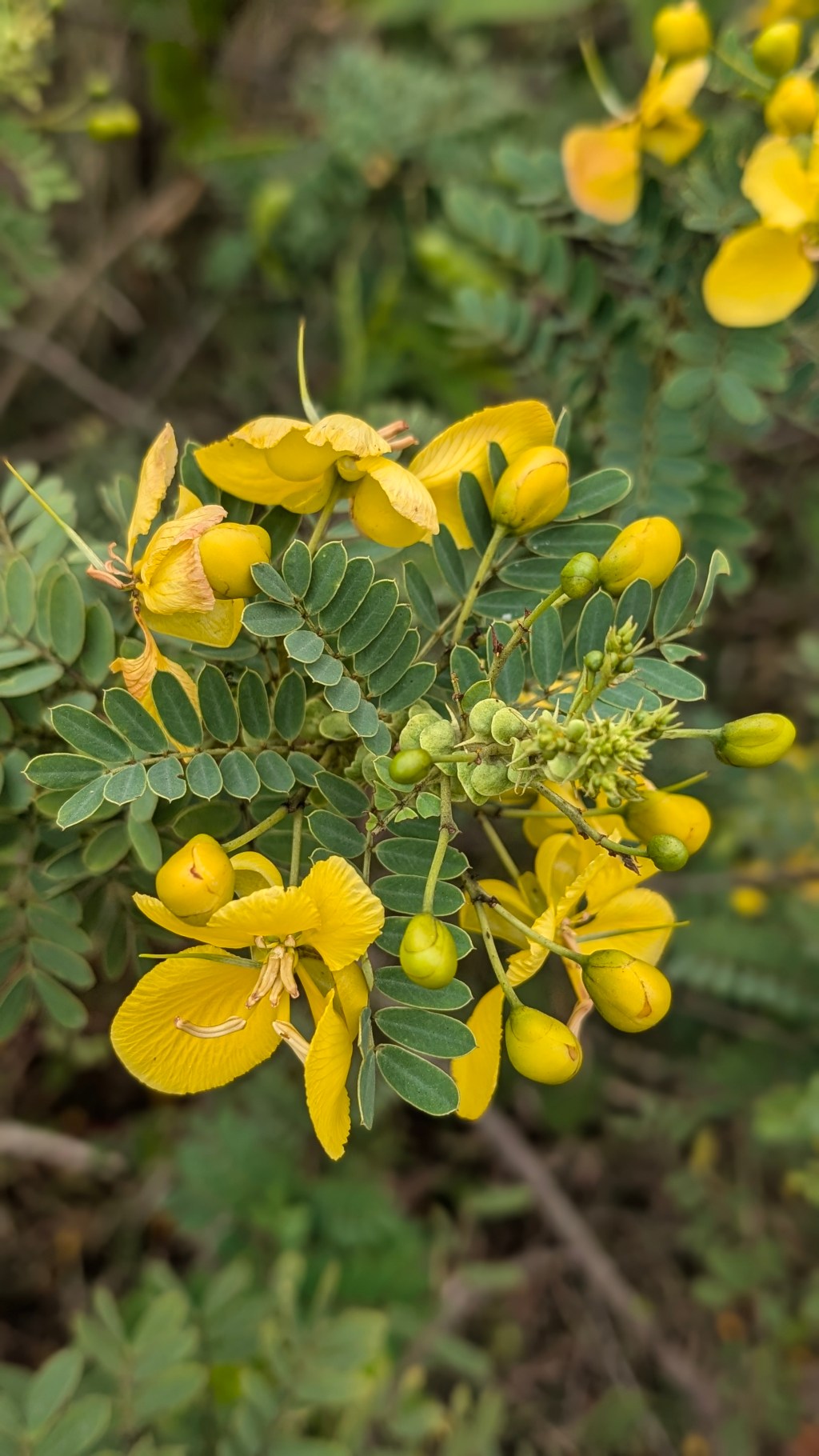
I still remember many of the plants I encountered during those trips. Aavarampoo is one of them! Maybe, it is because the flowers remind me of another favorite, Konnapoo, that I have such a fondness for this golden beauty too.
When I look at the flowers, I feel like they are smiling at me. And when I got to touch the flower head for the first time – the first touch you know ;) – the feel of those incredibly soft buds was truly mesmerizing.
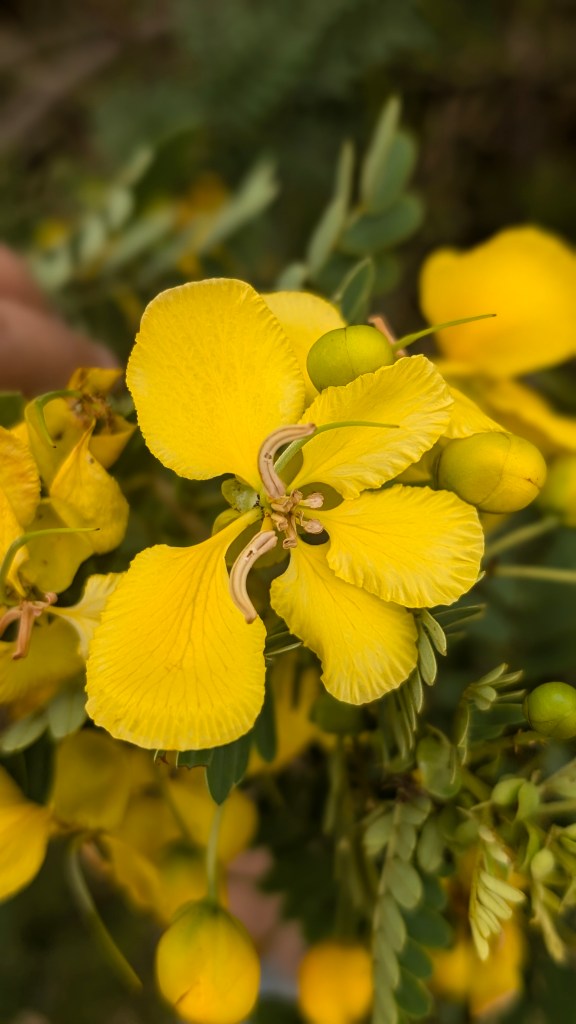
When my Little N was almost a year old, I was searching for a good homemade bath powder, and that’s when I first learnt that Aavarampoo is used in traditional bath powders (ubtans). I also remember reading this post by Fellowmom on making hairoil. A few years later, I managed to get hold of some dried flowers, which I used to make an infused tea. And then, not long after, I came across Aavarampoo rasam—must have been on Deepa’s blog! As a rasam lover, I simply couldn’t resist trying it.
Since I wasn’t much into documenting these little food experiments back then, I didn’t even click a single picture. But the rasam? It was thoroughly enjoyed and devoured!
About 6–7 years ago, I became friends with a Tamil family in our apartment. During Pongal, I noticed them hanging a bunch of herbs at their front door, and the curious me, of course, had to find out what they were!
She told me about ‘Kappu Kattu’, a traditional Tamil ritual that literally refers to “tying a protective shield or band,” symbolising health, purity and spiritual protection. It reminded me of how we hang mango-leaf garlands at our doorways!
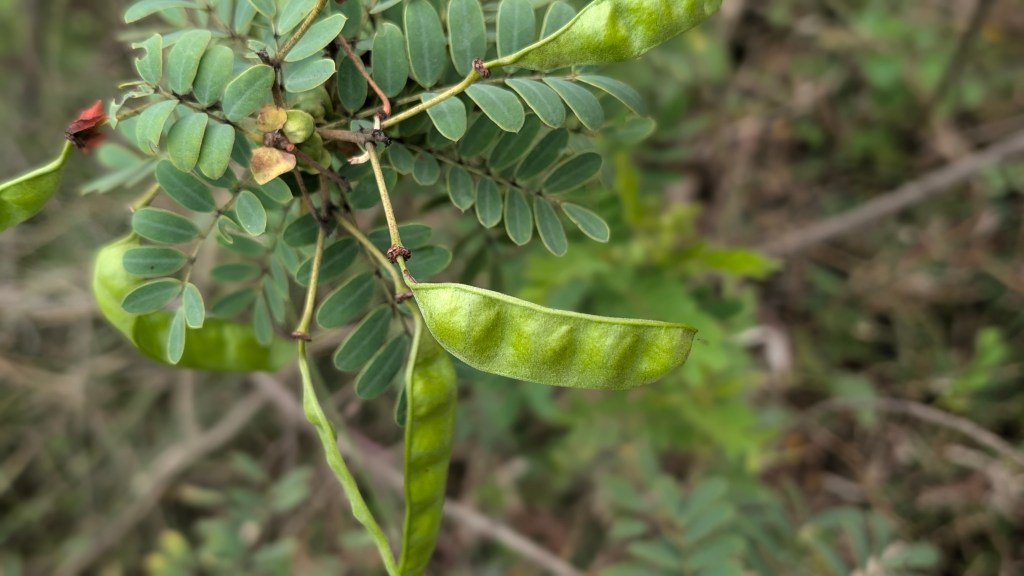
The bunch she had tied together contained branches of Aavarampoo, Cheroola (Mountain Knotgrass), neem leaves, mango leaves, Thumbai and fresh turmeric. She also mentioned that the combination can vary, while some of the plants are considered essential.It made perfect sense to me when I recollect that most of these plants are traditionally valued for their medicinal properties.
After moving to another apartment, I hardly got to see this plant in any form. That was until I met Subhashini and started Foraging Trails and Tales. Now, I get to spot this plant in places nearby, thanks to her—she has become my very own Google Maps for plants!
More than a cooking ingredient, Aavarampoo is a medicine. It regulates the blood sugar levels, reduces the skin issues, vey effective against UTIs.
Recipes
While these are the traditional recipes, the internet is flooded with recipes for sambar, idli, vathakuzhambu and many more. I believe some ingredients are best consumed in their traditional preparations, as our ancestors knew the right combinations of ingredients—and, just as importantly, what to avoid.
A.


Leave a comment