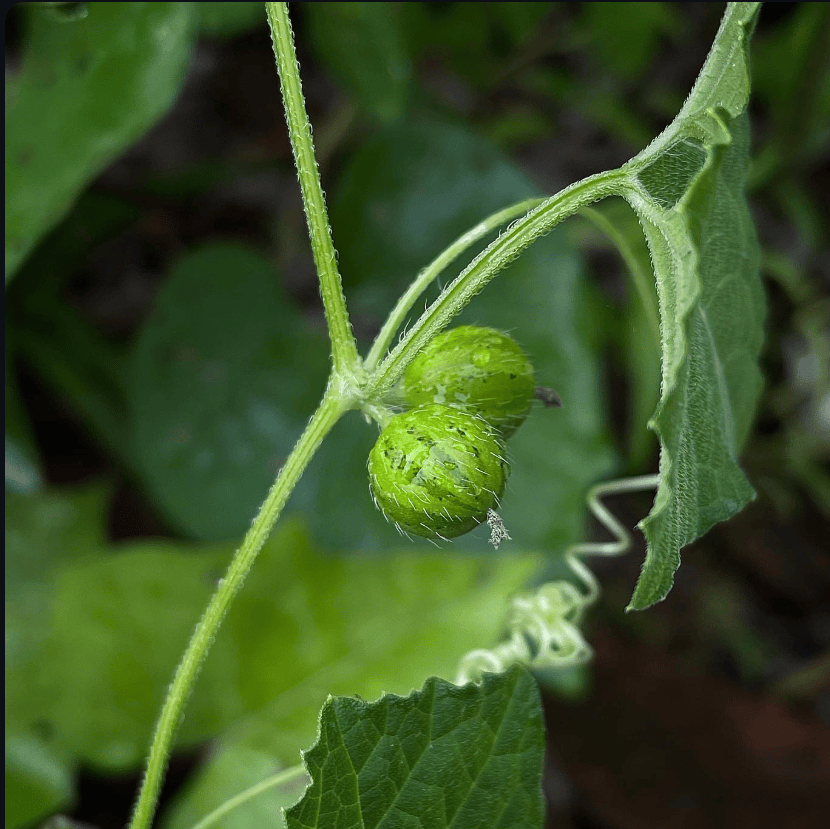
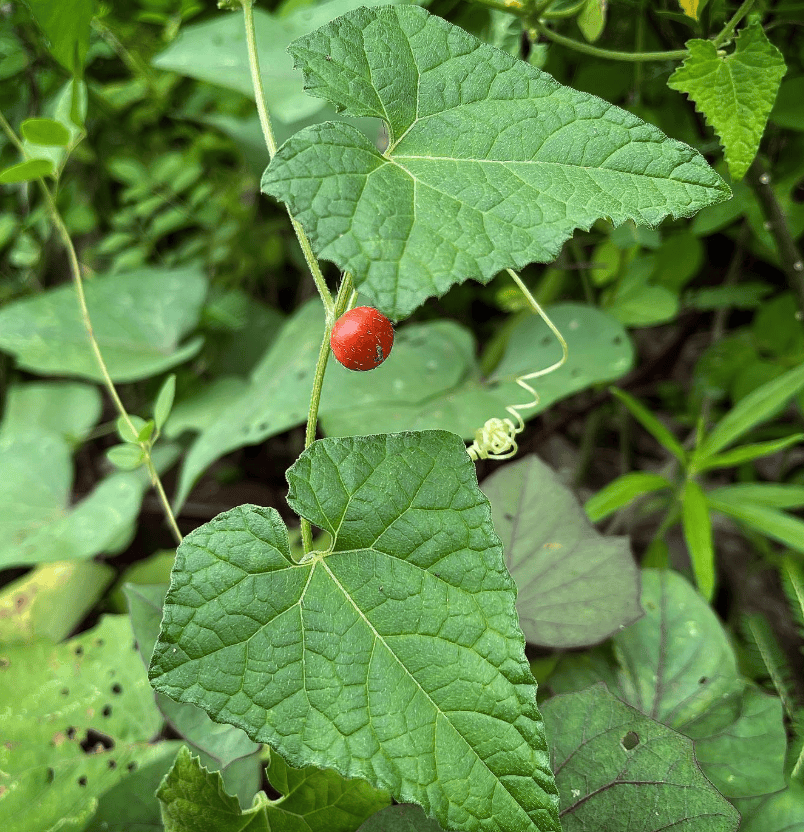
Madras pea pumpkin, with edible leaves and fruits is from the family of cucumbers. I noticed this plant growing in my Amma’s garden during the Corona era. A farmer friend who had visited us during that time, told me to have the leaves along with black pepper as an effective remedy for cough! And may be that’s why we see this plant more often in rainy months in Kerala.
Botanical Name: Cucumis maderaspatanus Family: Cucurbitaceae (Pumpkin family)
Common name from flowersofindia.net: Madras pea pumpkin, Bristly bryony, Rough bryony • Assamese: বন তিঁয়হ ban tioh • Bengali: আগমুখী agamukhi • Gujarati: ચણકચીભડી chanakachibhadi • Hindi: बिलाड़ी bilari, ग्वालककरी gwalakakri, कचरी kachari, मुसमुसा musmusa, परिपुष्करा paripushkara, पिण्डिला pindila, सेंद send, सेटु setu • Kachchhi: ચણચીભડજીવલ chanachibadajival • Kannada: ಕಾಡಪಾವಟೆ ಬಳ್ಳಿ kaadapaavate balli, ಮಣಿತೊಂಡೆ manitonde • Konkani: चिराटी chirati, ಮ್ಹಯ್ಸಿಕಾರ್ಟ mhaysikarta • Malayalam: ചെങ്കുമ്മട്ടി cenkummatti, മുക്കാപ്പിരി mukkappiri, മുശുമുശുക്ക musumusukka • Marathi: चिराटी chirati, घुग्री ghugri, पांगोरी pangori • Nepali: मट्याङग्र काँक्री matyangre kankri • Rajasthani: आँख फूटनी बेल ank phutani bel • Sanskrit: गजचिर्भटा gajachirbhata, गोडुम्बिका godumbika, परिपुष्करा paripushkara, पिण्डिला pindila, वत्साक्षी vatsakshi • Tamil: அயிலேயம் ayileyam, சுக்கை cukkai, சுரேசுவரி curecuvari, இருகுரங்கின்கை iru-kurankin-kai, கோத்திரிகை kottirikai, குரங்கு kuranku, முசுமுசுக்கை muchumuchukkai, பரிபுஷ்கரை paripushkarai, பத்தரா pattara, பிரா pira • Telugu: కూతురుబుడమ kuturubudama, నూగుదోస nugudosa • Tulu: ನುರ್ತೆಂಗಿ nurtengi • Urdu: کچري kachari, مسمسا musmusa, پرپشکرا paripushkara, پنڐلا pindila, سيند send, سيٿو setu
From my notes: Malayalam- Mindamindi kaaya(മിണ്ടമിണ്ടിക്കായ), Mundaattanga(മുണ്ടാട്ടങ്ങ),Kurukkan Vellari(കുറുക്കൻ വെള്ളരി), Kaakka vellari (കാക്ക വെള്ളരി). Other names for this plant in Thamizh- Mosumosakkai, Maamuli, and Aayileiyam.
Etymology:
Cucumis: From Latin cucumis, meaning “cucumber”. The genus includes familiar plants such as cucumber (Cucumis sativus) and muskmelon (Cucumis melo).
maderaspatanus: Derived from Madraspatnam, the historical name associated with present-day Chennai, Tamil Nadu. The suffix -anus in botanical Latin means “belonging to” or “originating from.” It is a geographical reference connecting the species name with the Madras region.
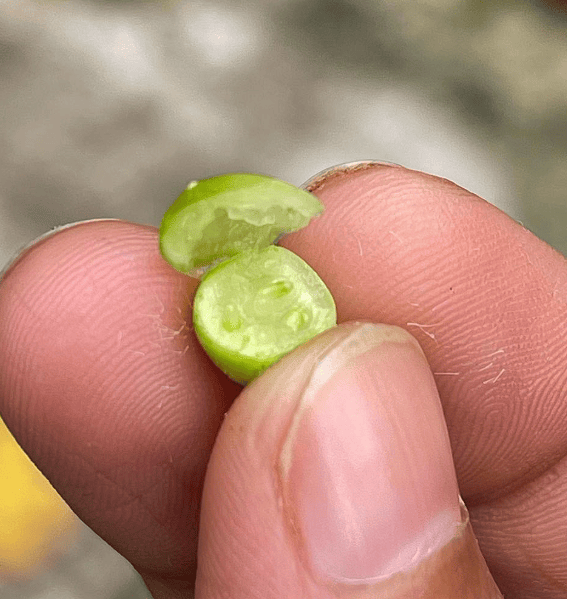
The species name has a lovely address in it. Maderaspatana refers to the Madras region of India. And the first description is old. Linnaeus published it in 1753, and the type was an illustration of a plant in a 1692 work by Plukenet. So the “type specimen” of this green is a 330 year old drawing. I love that!
Musumusu kai: These leaves have a rough, bristly texture; it is said that the name “Musumusu” (முசுமுசு) originated from the sensation one feels—a “musu-musu” (bristly/fuzzy) feeling—when touching them.In pure Thamizh, the term ‘musumusu’ refers to a monkey. The leaves of this plant are covered in fine hairs, much like the fur found on a monkey’s hands; hence, it came to be called ‘musumusukkai’—a name that conveys the meaning “monkey’s hand”.(இருகைகுரங்கு மூலிகைஎன்பர்)
Mindamindi kaaya, Mundaattanga – While eating this fruit, you’re not supposed to speak. That’s exactly what its name says! As kids, we were told that it turns bitter if you talk while eating it. Some say the another reason is its small size: many small children eat these, so there’s a chance of choking. So a name was given to the fruit to remind everyone to stay quiet ;) It’s really interesting how we name some plants, isn’t it?
Medicinal Uses-
- It is a traditional medicinal plant used for a considerable time in Siddha medicine, and is used in the treatment of asthma and respiratory infections. Take three parts of ‘musumusukkai’ leaves, add a little ghee, and sauté over a low flame until the moisture evaporates. Note: The leaves should lose their moisture while retaining their green color. Add one part of roasted black pepper to the sautéed leaves and grind the mixture into a paste. Consuming a portion the size of a ‘sundakkai’ (turkey berry) twice a day—in the morning and evening—helps alleviate asthma, shortness of breath, cough, and various lung-related ailments.
- Traditional descriptions list dyspepsia, flatulence, colic, constipation, ulcers, cough, asthma, neuralgia and toothache.
- One documented Siddha preparation, musumusukkai chooranam, mixes one part of leaf powder with ten parts of dry ginger powder and is taken as a decoction. Do not use dosage from my post. Only a practitioner should advise on this.
- It is extensively used in folklore medicine as an antidiabetic plant.
- A herbal oil is prepared with the leaves in sesame oil and is used to apply for bathing which helps to relieve from respiratory issues, eye irritations etc.
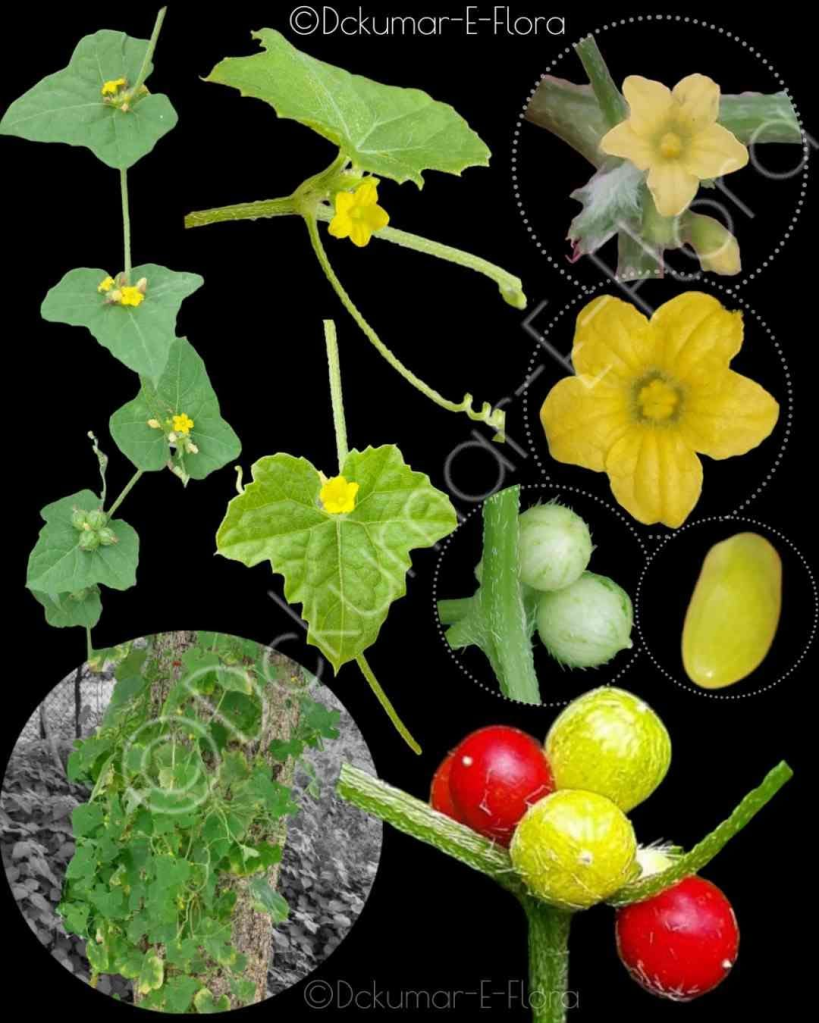
Recipes –
Want to know more edible greens around us?
Check out this 500+ greens listed here!


Leave a Reply