
The winged bean is prized as a multi-purpose crop due to its edible pods, flowers, seeds, leaves, and tuberous roots, which are all highly nutritious. Known as a “superfood” in many parts of the world, it plays an important role in promoting food security and sustainable agriculture in tropical and subtropical regions. Its distinctive four-angled pods and high nutritional content make it a versatile vegetable that is used in many different cuisines, particularly in tropical areas.
If you think this is a new vegetable in the market, no its not! Read through this news from New York Times published on Feb 23, 1982, – Theodore Hymowitz, an agronomist at the University of Illinois, said, ”it’s like an ice cream cone – you eat the whole thing.”. You can eat the beans as well as the tubers raw but I would recommend to cook them well if you are a beginner in raw foods/have low digestion levels/any other underlying health issues. As they may contain oxalates which may cause uneasiness.

The Winged Bean Flyer was established in 1977, with the support of The Asia Foundation, as part of the Foundation’s effort to encourage development of a cooperative international program on the winged bean. This publication reported on the efforts to bring about the development of winged bean as an important food and feed crop.
This is one of the vegetables I hope to find in markets, but sadly I cannot. So decided to grow it my little garden.
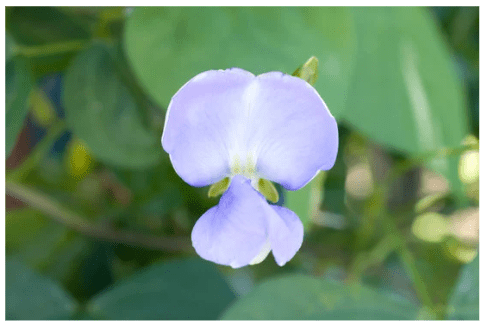
Botanical name: Psophocarpus tetragonolobus
Common name from flowerofindia.net: Winged Bean, Goa Bean, Princess bean • Kannada: ಶೆಂಬೆಕಾಯಿ Shembe kaayi • Manipuri: তেঙনৌমানবী Tengnoumanbi • Marathi: चौधारी Chaudhari,चौधारी घेवडा Chaudhari ghevda • Bengali: Charkoni-sem • Tangkhul: Tengnoumanbi • Mizo: Chawngbepui, Bepui-thla-nei • Assamese: কোৰদোই উৰোহি Kordoi urohi
Family: Fabaceae (Pea family)
From my notes: ചതുരപ്പയർ/Chathura payar, ഇറച്ചി പയർ/Irachi payar in Malayalam. The other common names includes – cigarillas, Goa bean, four-angled bean, four-cornered bean, manila bean, princess bean, star bean, kamrangi bean, pea, or dragon bean. It is believed to be native to Papua New Guinea and surrounding regions in Southeast Asia. Kannada name – Rekke Avare,
Etymology:
Psophocarpus: Derived from the Greek words psophos (meaning “noise” or “a sound”) and karpos (meaning “fruit”). The name might refer to the rattling sound the seeds make inside the pod when shaken, a characteristic of plants in this genus.
tetragonolobus: The Greek words tetra (meaning “four”), gonia (meaning “angle” or “corner”), and lobos (meaning “pod” or “lobe”). It refers to the four-winged shape of the plant’s distinctive pods.
It is a tropical legume that is not fully utilized, with its tuberous roots and beans containing 12–19% proteins (which is why it is called ഇറച്ചി പയർ/Irachi payar, as Irachi translates to meat in Malayalam). The species possesses remarkable drought resistance, making it a potential climate-smart crop for the future. Additionally, because of its strong ability to form root nodules, it enhances soil fertility.
The pods contain vitamins such as Vitamin A, Vitamin C, and Vitamin E, along with minerals like calcium, iron, and phosphorus. The bean also provides dietary fiber and antioxidants, contributing to overall health and digestion. The tubers are high in potassium, calcium, and Vitamin C, supporting heart health and immunity. The tuber is also known for its low-fat content, making it a healthy alternative to other starchy roots.

By Wagaung, CC BY-SA 3.0
The leaves of Winged beans can be consumed like spinach, flowers can be added to salads and can color rice and pastries, the tubers can be eaten raw or cooked, and seeds can be used in similar ways as the soybean. The dried seeds can be utilized as flour and also to make a coffee like drink. Winged bean can also be used to produce winged bean milk made from water, winged beans, and an emulsifier. The milk has similar characteristics as soymilk, says the research mentioned in Legume Perspective by Legume Society.
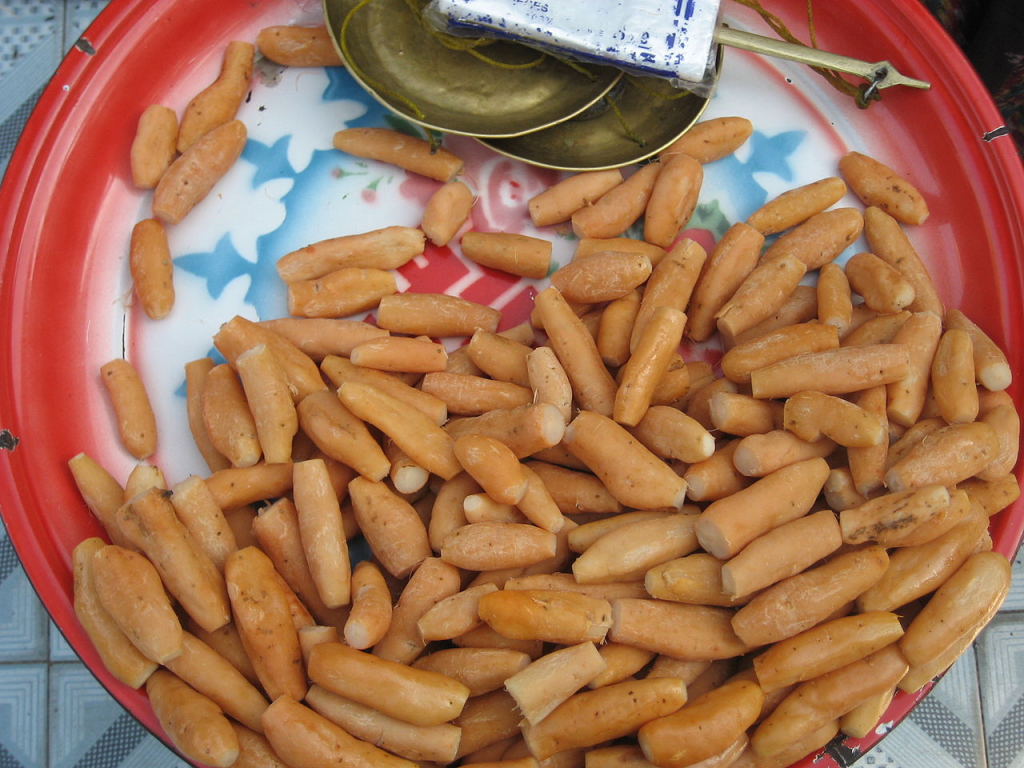
By Wagaung, CC BY-SA 3.0
There are numerous types of winged beans, but the ones I have encountered are green and purple. In green, there are 2-3 options, one is of medium size and the other is relatively long. Another is green with purple edges. The final one is entirely purple as seen in the image below. I have not yet tried the raw beans and tubers in any way.

Source – Mumbai Balcony Garden
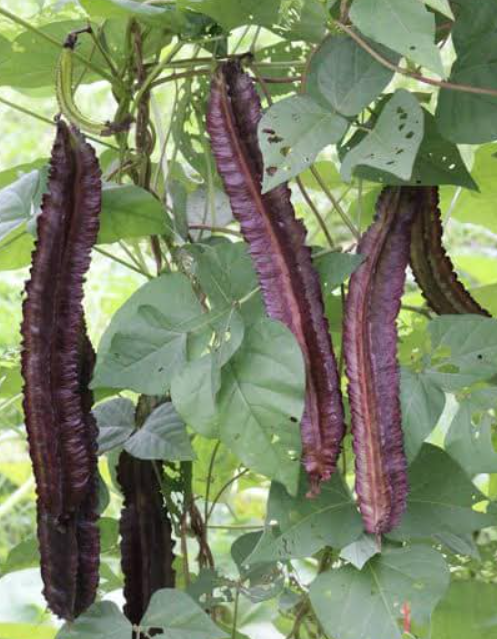
Source – Nabeel Lalu

Source – Rareseeds
Recipe
- Sambal with winged beans – Malaysian cuisine
- Winged beans salad
- Gising!Gising! – Non veg – Know more about Gising!Gising!
- Kerala thoran
- Mezhukkupuratti
- Winged Bean Gravy
- WB leaf thoran
- Winged bean salad
- Dambala Thel Dala
- Tamarind rice with Dambala – A Srilankan recipe from one of my fav YT Channel
- Dambala root harvest, cleaning and cooking
- Winged bean leaves stir fry
Sources & Additional Reading
- The Winged Bean by Agricultural Research Service, US Department of Agriculture, 1979
- A video from Myanmar
- Rekke Avare, a video
A.

 MY LITTLE THOUGHTS LANE
Leave a reply to Rooted in Nutrition Series 10: Lesser Yam – MY LITTLE THOUGHTS LANE Cancel reply