
You know by now that it can be a bit tricky to distinguish between local varieties and botanical names when it comes to tuber crops. Take Lesser Yam, for instance; it’s all part of the Dioscoreaceae family, with Dioscorea esculenta being the most commonly recognized member. There’s a whole world of local types out there, and honestly, I’m still learning about them myself—tagging them with botanical names can be tricky! Plus, the confusion only deepens with local names, as the same species can go by different names in various regions.

Pic courtesy – Sunitha Baburaj

Source: Ranjana S
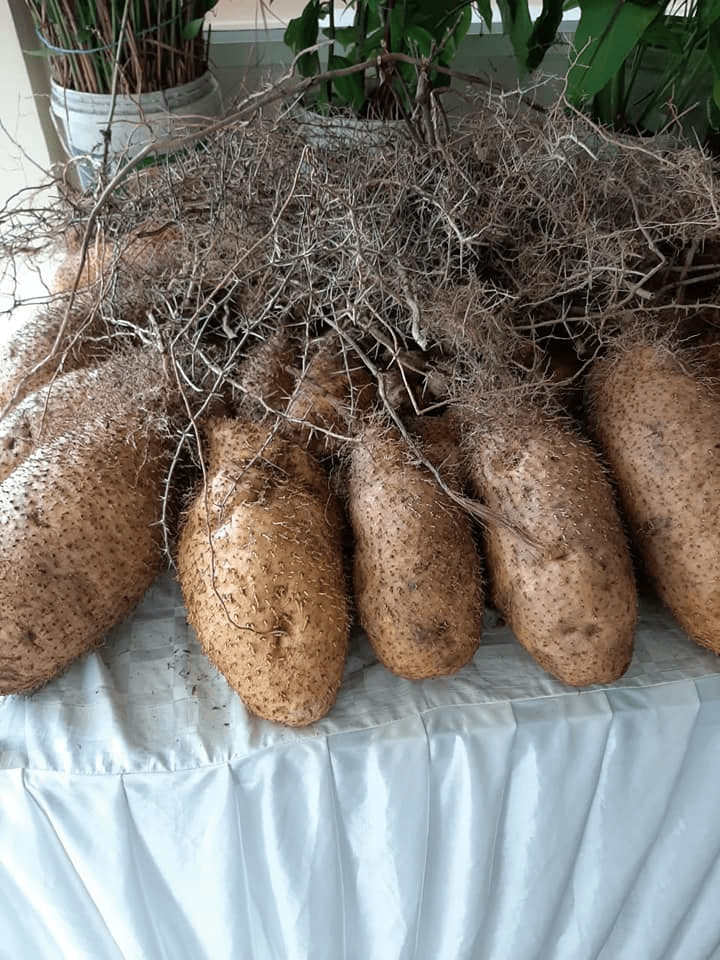
Mukkizhang
Some people believe that this tuber can be harvested in the third year after planting and hence the name, while others suggest that its name is simply a shortened version of Mullan kizhang.

Source -Ranjana S
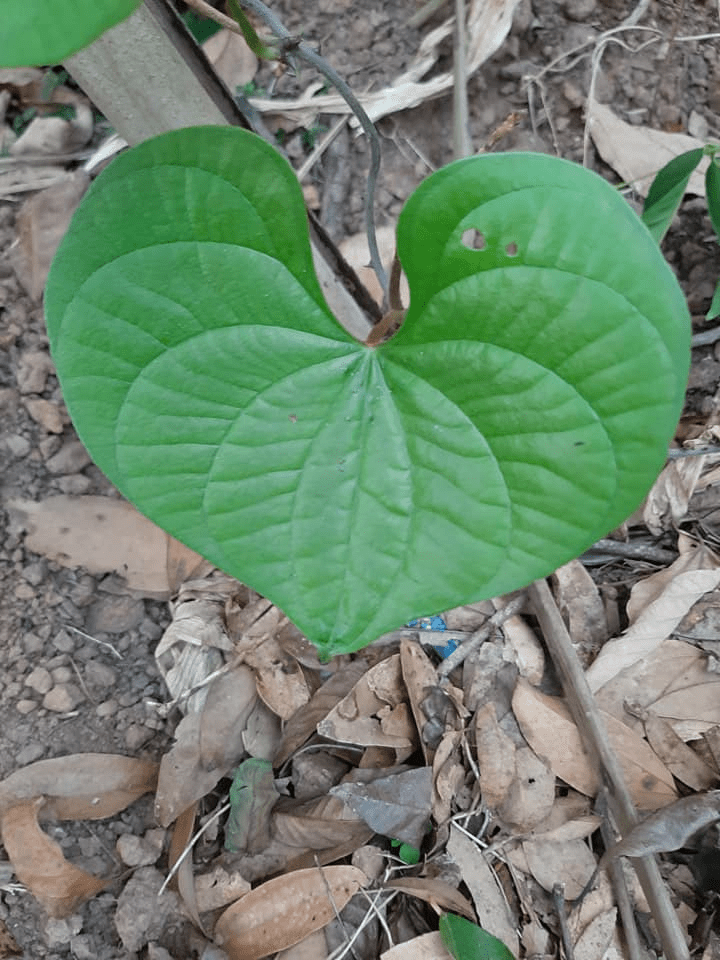
Source: Sreeni NK

There are many varieties of this lesser yams, listing a few below-
| നാരൻ കിഴങ്ങ് | Naaran Kizhang |
| വള്ളോൻ കിഴങ്ങ് | Vallon Kizhang |
| ചെറു കിഴങ്ങ് | Cheru Kizhang |
| മുള്ളൻ കിഴങ്ങ്/മുക്കിഴങ്ങ് | Mullan Kizhang/Mukkizhang |
| നരി മുള്ളൻ | Nari Mullan |
| കരി മുള്ളൻ | Kari Mullan |
A lot of these tubers tend to grow quite deep in the soil, making it a bit of a challenge to uncover the entire tuber. I’m still on the lookout for more information about the lesser yam varieties! If you have any insights or tips to share, I’d love to hear from you in the comments! Meanwhile please go through the previous posts on this series – Cassava, Sweet potatoes, winged bean tubers, arrowroot, edible canna, Taro and Tannia and Elephant foot yam, Chinese potato, Larger Yam
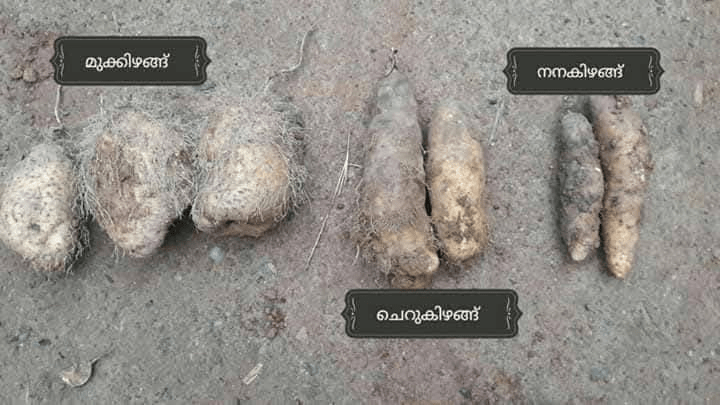
Kiran K Krishna

Source: Sadananda Pai

 MY LITTLE THOUGHTS LANE
Leave a reply to Rooted in Nutrition Series 1: Cassava – MY LITTLE THOUGHTS LANE Cancel reply